



The Antidote to Over-Tourism
Let’s talk about India’s Himachal Pradesh. When most travelers think of this Himalayan state, their minds jump to Shimla or Manali—bustling towns packed with hotels, souvenir shops, and traffic jams that rival a weekday in Los Angeles. They are the definition
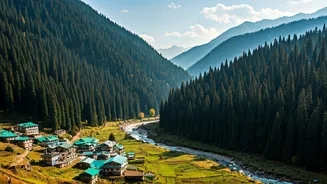
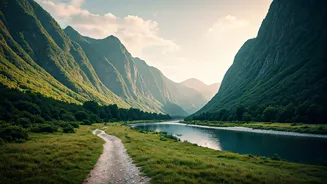
of a 'basic' hill station plan: easy, accessible, and utterly predictable. But tucked away in the Kullu district are the twin valleys of Jibhi and Tirthan. These aren't just places on a map; they are a conscious choice to step away from the commercial noise. They represent a brand of travel that prioritizes quiet streams over crowded markets and pristine forests over packed main streets. Getting there requires a bit more effort, which is precisely why they've retained their soul. There’s no airport, and the journey involves a winding, scenic drive that acts as a filter, weeding out those looking for a quick and easy getaway and rewarding those in search of something real.
Gateway to a UNESCO Treasure
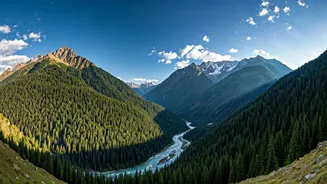
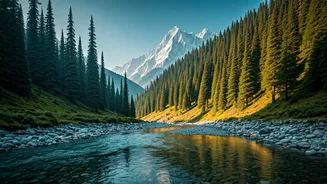
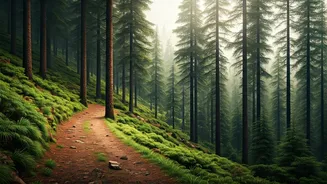
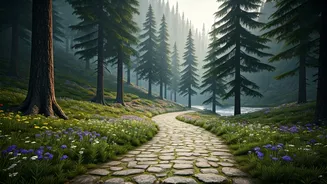
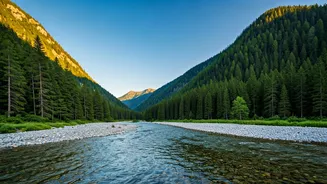
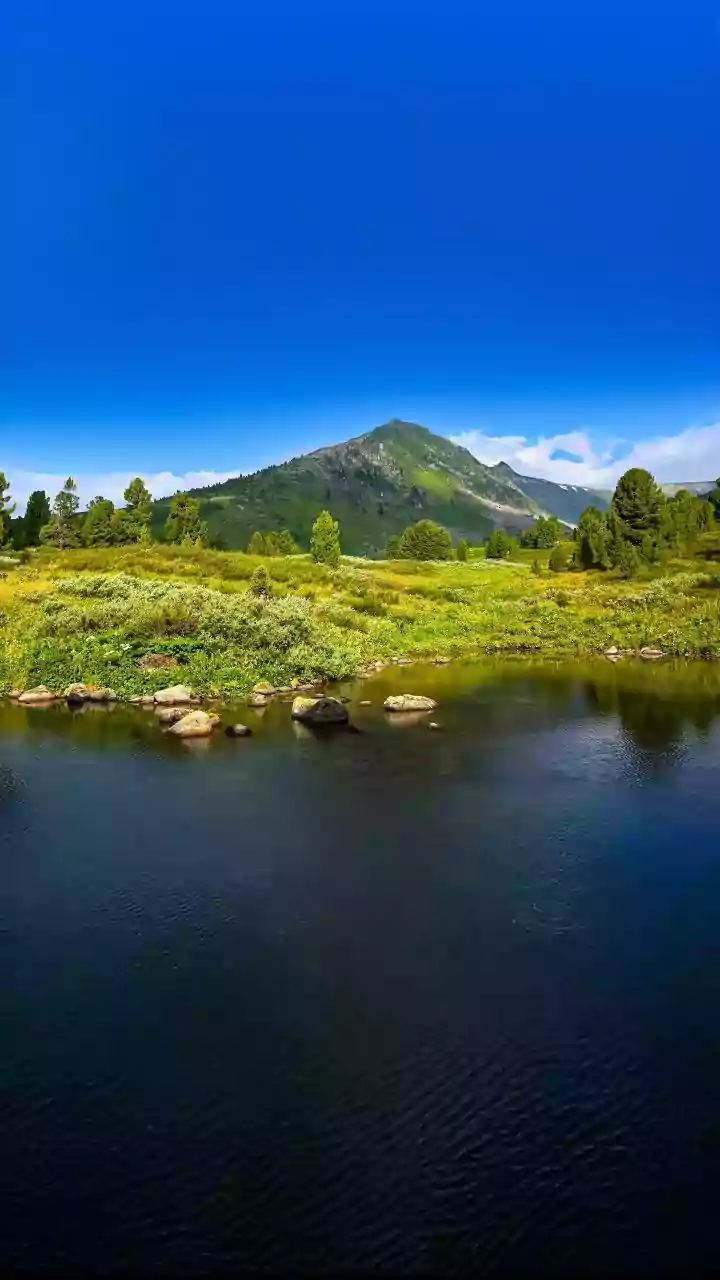
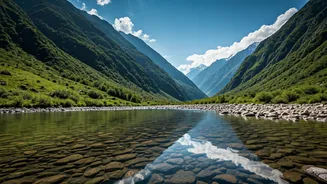
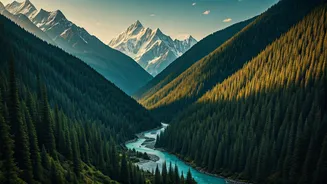
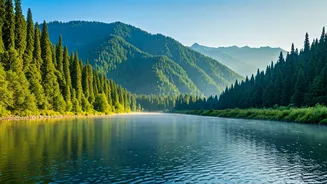
The true centerpiece of this region is the Great Himalayan National Park (GHNP), a UNESCO World Heritage Site. Tirthan Valley is literally the gateway to this pristine wilderness. Forget manicured parks with paved pathways. The GHNP is over 400 square miles of raw, untamed nature, a sanctuary for elusive fauna like the snow leopard and the Himalayan blue sheep. For an American traveler accustomed to well-marked trails in National Parks, this is a different level of wild. The treks here are not casual afternoon strolls; they are multi-day expeditions that take you through dense pine forests, across alpine meadows, and over high-altitude passes. The Tirthan River, which gives the valley its name, is a glacial marvel teeming with rainbow and brown trout, making it an angler’s paradise. This isn't about snapping a photo for Instagram; it's about the profound experience of being immersed in a landscape that feels ancient and untouched.
Living in a Fairytale Village
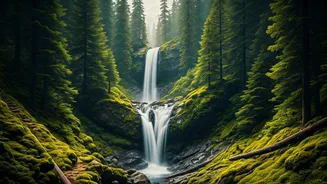
What truly sets Jibhi and Tirthan apart is the human element. The villages here feel like they’ve been lifted from a storybook. You won’t find sprawling concrete resorts. Instead, the landscape is dotted with traditional homestays and guesthouses built in the Kath-Kuni style—a beautiful, earthquake-resistant architectural technique using interlocking layers of wood and stone without mortar. Staying in one of these homes isn’t a transaction; it's an immersion. You’re sharing space with local families, eating home-cooked Himachali meals (think wild mushrooms, river fish, and hearty grains), and learning about a way of life that moves at the rhythm of the seasons. Jibhi, with its iconic wooden tower and serene waterfalls, feels less like a tourist town and more like a community that has graciously opened its doors to respectful visitors. It’s the kind of place where your host points you to a hidden waterfall, not to a gift shop.
Choosing Slow Travel
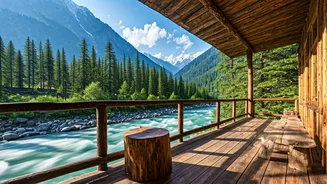
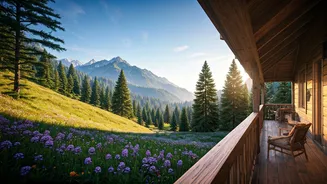
Ultimately, a trip to Jibhi or Tirthan is a statement. It’s for the traveler who has graduated from checklists to experiences. It’s for the person who finds luxury not in five-star amenities but in silence, clean air, and a genuine connection with nature and culture. This is the heart of 'slow travel.' There’s no pressure to 'do' everything. The goal is simply to 'be.' Days are measured by walks along the river, cups of chai on a wooden balcony overlooking apple orchards, and conversations with fellow travelers and locals who share a similar mindset. In a world that constantly demands more—more speed, more content, more consumption—these valleys offer a radical alternative: the chance to have less, but to appreciate it more.