



Beyond the Golden Triangle
For decades, the well-trod tourist path in India has been the “Golden Triangle”—Delhi, Agra, and Jaipur. While magnificent, this circuit represents only a sliver of the subcontinent's immense diversity. Now, thanks to focused infrastructure development
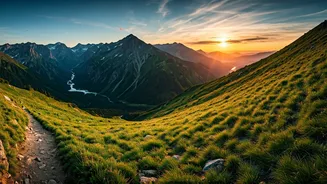
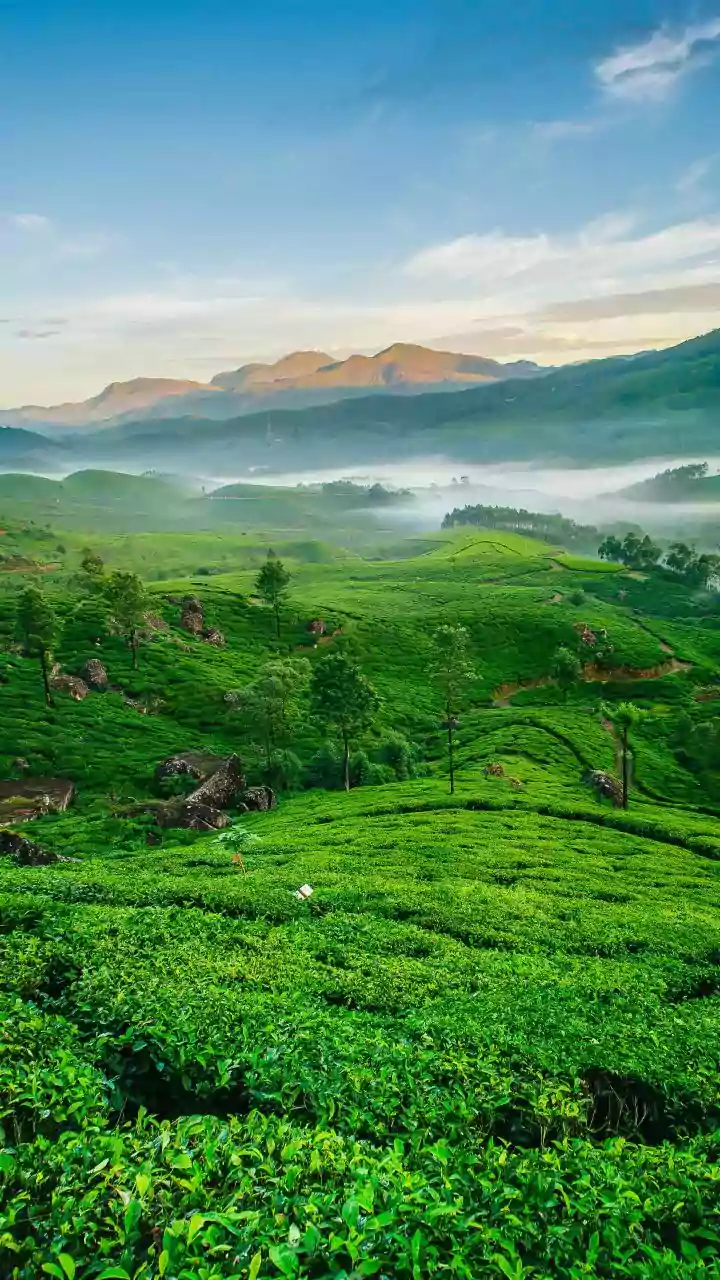
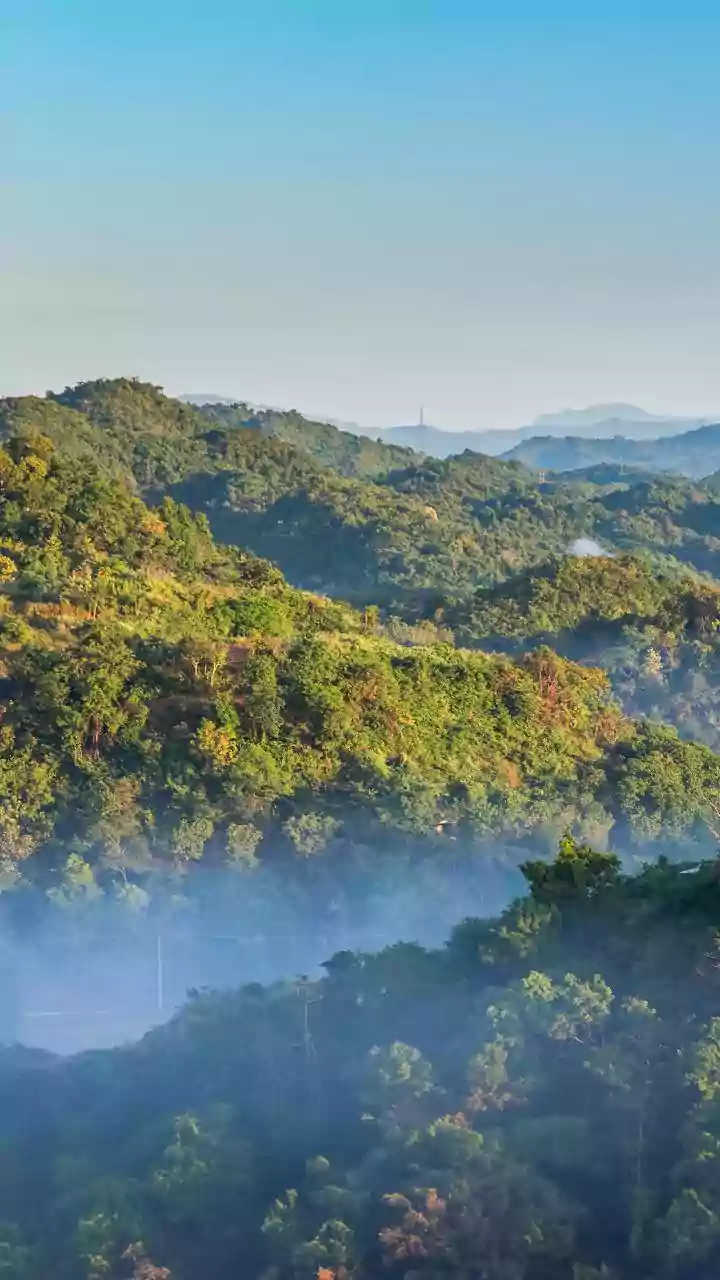
and a growing appetite for authentic, nature-based experiences, Northeast India is stepping into the spotlight. Comprising the “Seven Sister” states, plus Sikkim, this region is a world away from the desert plains of Rajasthan. It’s a lush landscape of misty mountains, roaring rivers, and hundreds of distinct ethnic communities, connected more to Southeast Asia than to mainland India in its culture and ecology.
A River Journey Through Assam
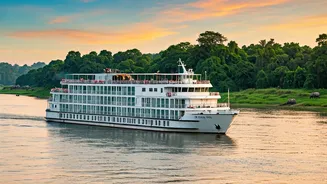
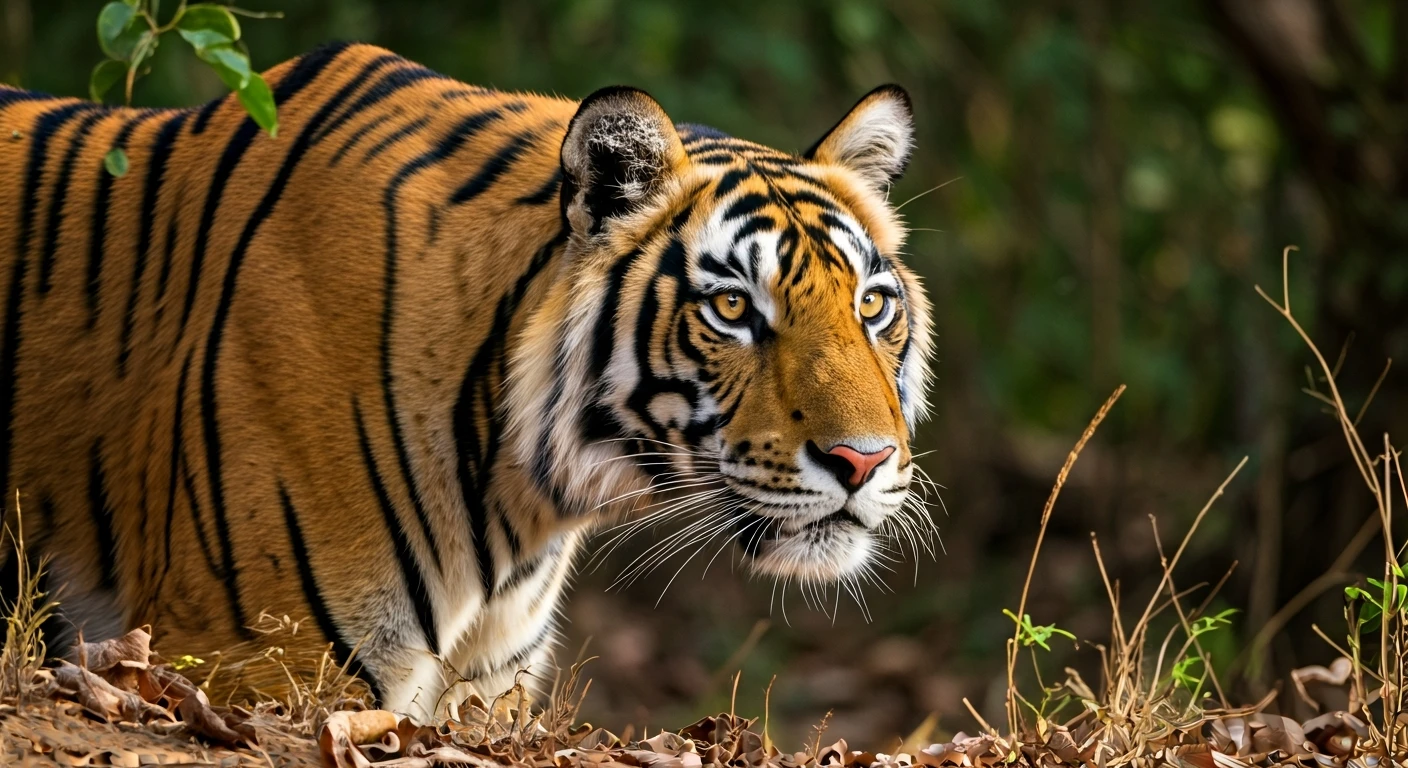
At the heart of this emerging travel map is the Brahmaputra, one of Asia's most powerful and mythic rivers. Originating in the Himalayas of Tibet, it carves a massive, braided channel through the state of Assam. For years, navigating this majestic waterway was limited to functional ferries and small local boats. Today, a new era of river cruising is making its wonders accessible. Luxury expedition vessels now offer multi-day journeys, allowing travelers to glide past a panorama of unparalleled nature and culture. The star attraction is Kaziranga National Park, a UNESCO World Heritage site and home to two-thirds of the world's great one-horned rhinoceros population. From the deck of a riverboat, you can watch these prehistoric-looking giants graze on the floodplains, alongside wild elephants, water buffalo, and countless bird species. Cruises also stop at isolated river islands, historic Hindu monasteries, and villages of the Mishing people, known for their vibrant textiles and stilt-house architecture, offering a glimpse into a way of life intrinsically tied to the river's rhythm.
Architecture Woven From Nature
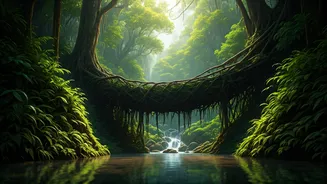
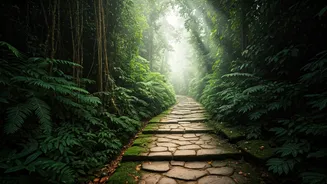
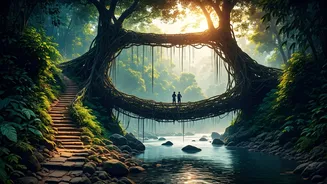
Further south, in the state of Meghalaya—the “Abode of the Clouds”—lies an even more astonishing marvel, one born of human ingenuity and deep ecological knowledge. Here, in one of the wettest places on Earth, the indigenous Khasi and Jaintia peoples have developed a unique solution for crossing the region’s fast-flowing rivers: living root bridges. Instead of building with wood or stone, which would rot or be washed away by torrential monsoons, they guide the aerial roots of the *Ficus elastica* (rubber fig) tree across ravines. Over decades, these roots are woven, twisted, and trained to form a living, growing structure of incredible strength and durability. Some of these bridges are over 100 feet long and can support the weight of dozens of people. The most famous example, the Umshiang Double-Decker Bridge, is a breathtaking two-tiered structure that looks like something out of a fantasy epic. Walking across one is a profound experience—a testament to a patient, sustainable relationship between humans and nature that spans generations.
A New Frontier for Conscious Travel
The rise of Brahmaputra cruises and the growing fame of Meghalaya’s root bridges are not isolated phenomena. They represent a broader shift in what discerning travelers seek. This isn't mass tourism; it's a form of travel that prioritizes deep immersion, environmental consciousness, and cultural respect. The Indian government's “Act East” policy has funneled investment into better roads and regional airports, making the once-remote Northeast more approachable for international visitors. This improved accessibility allows travelers to combine these two signature experiences—the epic river journey and the mystical forest trek—into a single, unforgettable itinerary. It's a trip that challenges perceptions and reveals a side of India that is wild, ancient, and utterly captivating.