

It Obliterates Decision Fatigue
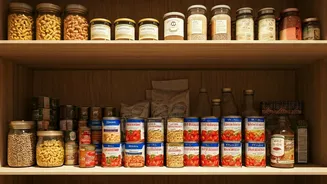
The single greatest tax on a modern brain is the endless stream of tiny decisions. Deciding what to eat for dinner is a surprisingly heavy one. When you commit to a pantry meal, you drastically shrink your options in the best way possible. Instead of an entire
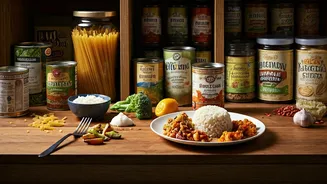
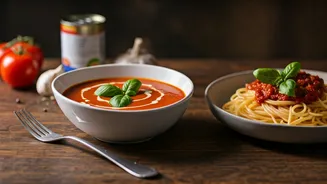
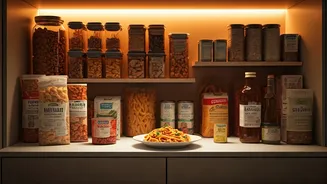
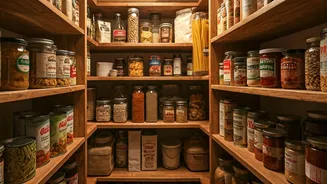
grocery store's worth of choices, your universe becomes what’s in the cupboard. Suddenly, the question isn’t, “What could I possibly make?” but rather, “What can I do with these canned tomatoes, that box of pasta, and this onion?” This limitation is a gift. It frees up mental energy, turning a nightly chore into a simple, solvable puzzle. You don't need a perfect plan; you just need to open a can.
It's an Unsung Money Saver
Every trip to the grocery store is a financial minefield. You go in for chicken and milk and come out $150 later with artisanal chips and a kombucha you’ll never drink. Pantry cooking is the antidote to this cycle. By ‘shopping’ your own shelves first, you use what you’ve already paid for, maximizing your budget. That can of beans, bag of rice, or jar of salsa represents sunk costs. Turning them into a meal is pure profit. This practice also curbs the expensive habit of last-minute takeout or delivery. A quick black bean and corn salsa over rice, spiced with whatever you have on hand, costs pennies per serving. A delivered burrito with the same ingredients? Ten times that, easily.
It Bends Time to Your Will
Quick pantry cooking is a weeknight superpower. The ingredients are, by nature, built for speed and convenience. Canned beans are already cooked. Pasta boils in 10 minutes. A jar of marinara is a ready-made sauce. You are essentially assembling a meal, not constructing it from scratch. Consider the classic “tuna melt.” It’s a pantry masterpiece: canned tuna, a slice of bread, maybe some mayonnaise and a stray piece of cheese. From cupboard to plate, it’s a five-minute affair. The same logic applies to more complex-sounding dishes. Pasta e ceci (pasta with chickpeas) sounds fancy, but it’s just pasta, canned chickpeas, garlic, and maybe some broth or tomato paste. It’s a hearty, satisfying meal that comes together faster than you can decide what to stream on Netflix.
It Unlocks Your Hidden Creativity
Constraints are the mother of invention, and the pantry is the ultimate creative constraint. Having limited ingredients forces you to think differently. That can of coconut milk you bought for a curry you never made? It could be the base for a creamy tomato soup or a simple sauce for rice and lentils. That half-bag of lentils is the start of a rustic shepherd's pie, with a topping of instant mashed potatoes you forgot you had. This is where you learn the fundamentals of flavor. A little acid (vinegar, lemon juice), a little fat (olive oil), and some alliums (garlic or onion powder) can transform a bland can of beans into something delicious. You start seeing ingredients not for what they’re “supposed” to be, but for what they *could* be. It’s a low-stakes culinary adventure every time.
You Become a Waste-Not Warrior
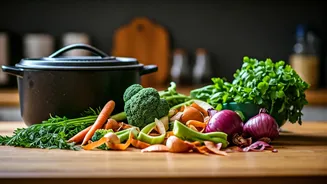
American households throw out an astonishing amount of food. Pantry cooking is a direct action against that waste. By regularly cycling through your shelf-stable goods, you ensure they get used before their distant expiration dates. It also encourages you to use up the last bits of things—the final cup of rice, the last few crackers, that almost-empty jar of olives. This mindset extends beyond the pantry. Once you get in the habit of using what you have, you start looking at the wilting herbs in your fridge not as a failure, but as an opportunity to chop them up and throw them into your pantry pasta. It’s a small but meaningful way to reduce your environmental footprint while saving money. Being resourceful feels good, and nothing is more resourceful than making a great meal out of what you already have.