

A Savory Cake for Breakfast?
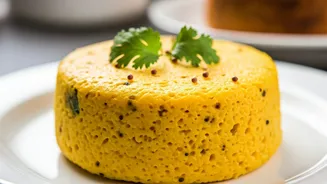
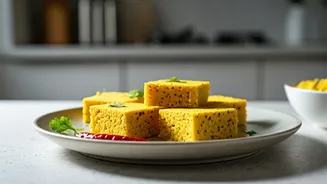
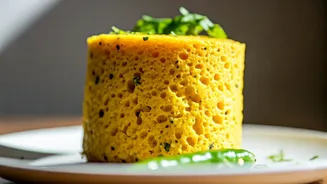
First, let's get acquainted. Dhokla is a beloved savory steamed cake from Gujarat, a state in western India known for its incredible vegetarian cuisine. Think of it as a light, spongy, and fluffy cake, but savory instead of sweet. Traditionally, dhokla
is made from a fermented batter of rice and split chickpeas, a process that can take the better part of a day. This is where its brilliant cousin, Rava Dhokla, enters the scene. 'Rava' is the Hindi word for semolina (the same durum wheat product used to make couscous and some pastas). By using semolina flour, you get to skip the entire lengthy fermentation process, which is the key to its 'no-drama' crown. The result is a cake with a slightly coarser, yet equally delightful, texture that’s tangy from yogurt, subtly spiced, and incredibly satisfying without feeling heavy.
The 'No-Drama' Promise, Delivered
The headline isn't just a catchy phrase; it's a statement of fact for anyone who has ever stared into their fridge at 7 a.m. with a sense of dread. The drama-free nature of Rava Dhokla comes from three core elements. First, the ingredients are pantry royalty: semolina, plain yogurt, water, and basic spices like ginger, green chili, and a leavening agent like baking soda or Eno (a fruit salt popular in India). There are no exotic, hard-to-find components. Second, the prep time is laughably short. You simply mix the batter and let it rest for 15-20 minutes for the semolina to absorb the moisture. That’s it. No overnight soaking, no grinding, no carefully monitoring a ferment. Third, the cooking method is hands-off. The batter is poured into a greased pan and steamed for about 15-20 minutes, much like you’d steam vegetables. While it steams, you can pack a lunch, answer an email, or just enjoy your coffee.
That Finishing Flourish: The Tadka
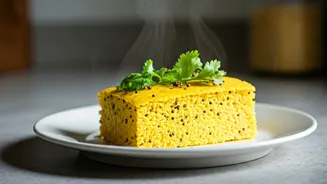
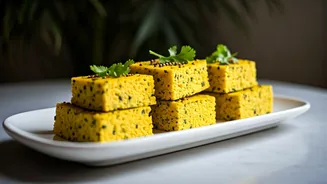
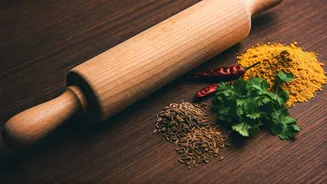
A plain steamed semolina cake would be pleasant, but it wouldn't be a 'win'. What elevates Rava Dhokla from simple to spectacular is the 'tadka,' or tempering, that’s poured over the top right after it’s cooked. This isn't just a garnish; it's a crucial flavor layer. In a small pan, a little oil is heated, and a symphony of ingredients is sizzled until fragrant. Typically, this includes mustard seeds that pop and dance, earthy curry leaves, nutty sesame seeds, and slivered green chilies for a mild kick. This aromatic, sizzling oil is then poured over the finished dhokla, where it seeps into the porous cake, infusing every bite with a complex, warm, and toasty flavor. It's the final, transformative step that takes just two minutes but adds 100% of the magic, cutting through the tang of the yogurt and making the dish utterly irresistible.
How to Make It Part of Your Routine
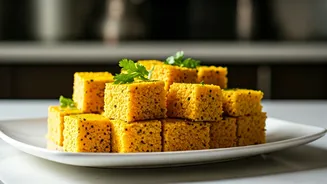
Embracing Rava Dhokla doesn't require a culinary degree. Beyond the simple batter-and-steam process, its versatility is its greatest strength. It’s a make-ahead champion; you can steam a batch over the weekend, slice it into squares, and store it in the fridge. In the morning, a 30-second trip to the microwave is all it takes to have a warm, savory breakfast ready to go. It’s delicious on its own but also plays well with others, often served with a side of green chutney (a vibrant cilantro-mint sauce) or a sweet tamarind chutney. You can find ready-made dhokla at many Indian grocery stores and restaurants, but the homemade version is so simple that it’s worth trying. A quick search for 'Rava Dhokla recipe' will yield thousands of straightforward guides. All you need is a steamer pot or a large pot with a rack to hold the pan above the water. It’s a small effort for a huge upgrade to your morning.