



The Thrill Without the Spill
For years, the most celebrated outdoor adventures seemed to require an iron will and a tolerance for discomfort. Think scaling sheer rock faces, backcountry camping in a flimsy tent, or subsisting on protein bars for a week. But a quieter, more accessible
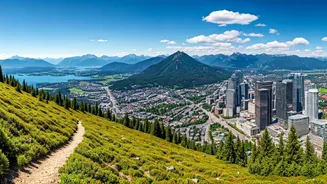
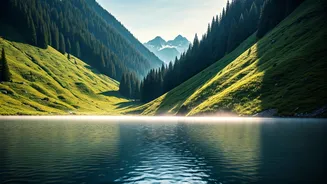
trend has taken hold. 'Soft adventure' prioritizes connection with nature without demanding extreme physical feats or specialized skills. It’s the sweet spot between sitting on a tour bus and free-soloing El Capitan. At its core, soft adventure is about low-risk, high-reward activities. We’re talking about guided kayaking on a serene lake, taking a well-marked trail to a scenic viewpoint, birdwatching with an expert, or cycling through wine country on an e-bike. The 'adventure' comes from being actively engaged in a beautiful, natural setting. The 'soft' part is the safety net: comfortable lodging, good food, and zero expectation that you’ll have to forage for your own dinner.
Why We’re Craving Comfort in the Wild
This shift isn’t happening in a vacuum. It’s a direct response to modern burnout. After years of being overstimulated and overworked, the last thing many Americans want from a vacation is another endurance test. The goal is rejuvenation, not exhaustion. A soft adventure provides the mental health benefits of being in nature—reduced stress, improved mood, a sense of awe—without the physical toll. The pandemic amplified this desire. It pushed millions of people outdoors, many for the first time, creating a new cohort of nature enthusiasts who aren't necessarily aspiring mountaineers. They discovered the simple joy of a walk in the woods and now want to build a vacation around it. Travel operators have responded, swapping rustic-and-rough itineraries for curated experiences that pair morning hikes with afternoon spa treatments and end with a farm-to-table meal under the stars. It’s the wilderness, but with a thread count.
What Soft Adventure Looks Like
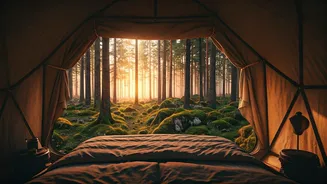
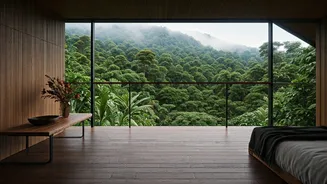
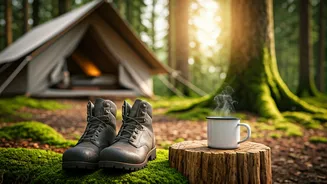
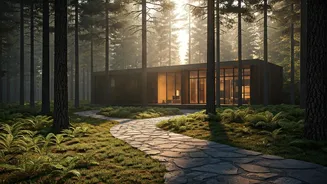
So, what does this trend look like on the ground? It’s less about a specific destination and more about a mindset and a set of amenities. Instead of pitching a tent in the rain, you’re booking a stay in a 'glamping' yurt with a king-sized bed and a private deck. Rather than navigating with a compass, you're on a guided nature walk where an expert points out local flora and fauna. The focus is on immersive experiences that feel special, not stressful. Here are a few classic examples: * **Gourmet Glamping:** Think luxurious safari-style tents or geodesic domes in places like Moab, Utah, or the Catskills in New York. You get campfire vibes without sleeping on the ground. * **Guided Eco-Tours:** A small-boat tour through Florida's Everglades to see alligators or a guided whale-watching trip off the coast of California. The expertise is provided, so you can just enjoy the spectacle. * **Wellness Retreats with a Twist:** Yoga retreats in Sedona, Arizona, that incorporate moderate morning hikes, or lodges in Montana that offer both fly-fishing lessons and massage therapy. * **Scenic & Supported Cycling:** E-bike tours through national parks or scenic byways, where your luggage is transported for you and a support vehicle is always nearby.
Your Gateway to the Great Outdoors
Perhaps the most important aspect of the soft adventure movement is its inclusivity. It throws open the doors to the outdoors for people who previously felt excluded. Families with young children, older travelers with limited mobility, or simply individuals who don't define 'fun' as 'painful' can now find a nature-first holiday that works for them. This isn't 'adventure-lite'; it's adventure-smart. It recognizes that the value of being in nature isn't measured by the number of miles you hike or the height of the peak you summit. It's about the quality of the experience, the memories you make, and how you feel when you return home: restored, not wrecked. It’s a sustainable way to build a lifelong relationship with the natural world, one comfortable, beautiful, and gently thrilling trip at a time.