




The Gut-Healing Power of Fermentation
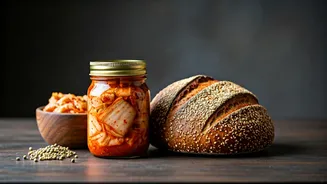
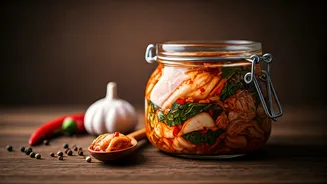
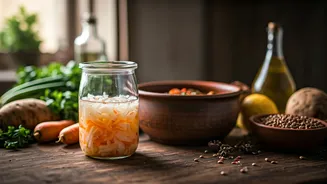
Before refrigeration, fermentation was a key method of preservation. That jar of sauerkraut, kimchi, or pickles wasn't just a tangy side dish; it was a way to make summer's bounty last through winter. Today, we understand the incredible science behind
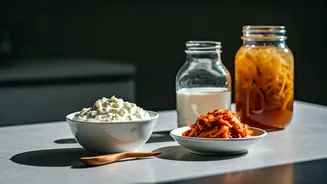
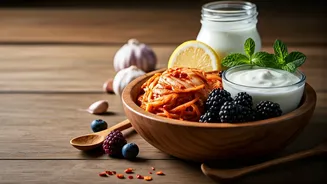
this ancient practice. The fermentation process cultivates beneficial bacteria, also known as probiotics. A diet rich in these live cultures is now strongly linked to a healthier gut microbiome, which plays a crucial role in everything from digestion and immunity to mood regulation. So, that serving of your grandma’s homemade sauerkraut on a hot dog isn't just for flavor—it's feeding the trillions of good microbes that keep your system running smoothly. Instead of a pricey probiotic supplement, a forkful of fermented vegetables offers a natural, whole-food alternative.
The Magic of the Simmering Stew Pot
The slow-simmered pot of stew or bone broth is the original one-pot wonder. For our ancestors, it was an economical way to transform tough cuts of meat and fibrous vegetables into a nourishing, easily digestible meal. The modern health benefit lies in what the long, slow cooking process extracts. Simmering bones and connective tissues releases collagen, gelatin, and an array of minerals like calcium and magnesium into the broth. Collagen is a buzzword in the beauty industry for its links to skin elasticity and joint health, but getting it from a natural, food-based source is an age-old tradition. A hearty, slow-cooked stew not only warms you from the inside out but also delivers nutrients in a form your body can readily absorb, making it the ultimate comfort food with a functional purpose.
The Sourdough Starter and Whole Grains
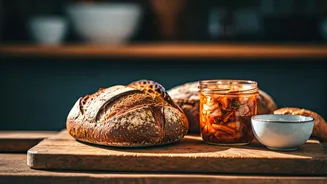
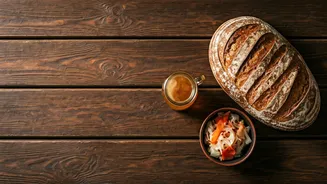
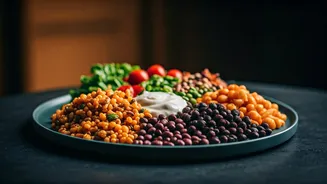
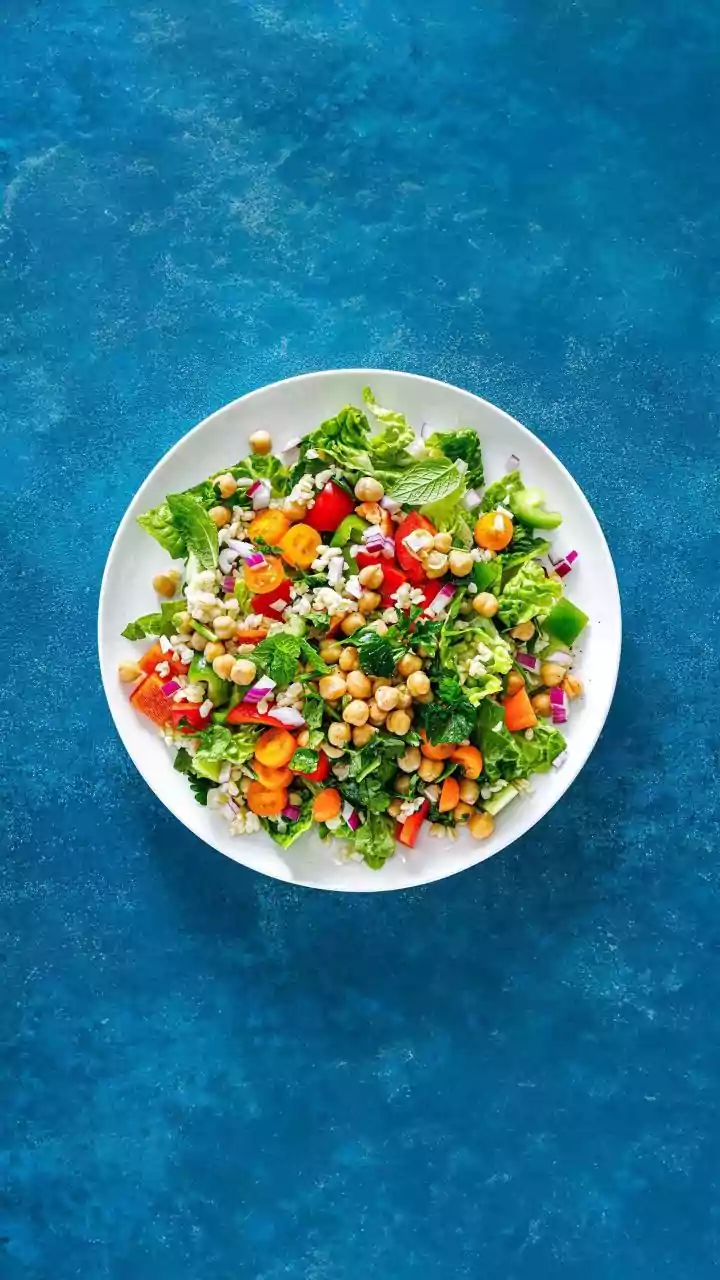
The pillowy, preservative-laden white bread on supermarket shelves is a relatively modern invention. For centuries, bread was a heartier, more substantial affair, often made from whole grains and leavened with a wild yeast culture—a sourdough starter. This traditional method of bread-making does more than just create a delicious, tangy flavor. The fermentation process involved in sourdough helps break down some of the gluten and anti-nutrients found in flour, making the bread easier to digest and its minerals more bioavailable. Furthermore, traditional diets leaned heavily on whole grains and legumes, like lentil soup or bean chili. These dishes are packed with fiber, which is essential for digestive regularity, stable blood sugar, and feeding a healthy gut microbiome.
The Wisdom of Nose-to-Tail Eating
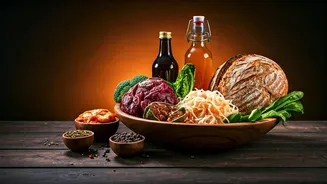
In today’s world, we often stick to a few select cuts of meat, like chicken breasts and ground beef. Our grandparents’ generation, however, operated with a “waste not, want not” philosophy that extended to the entire animal. This “nose-to-tail” approach meant that organ meats like liver, heart, and kidney were common fare. While they may have fallen out of fashion, these parts of the animal are nutritional powerhouses. Liver, for example, is one of the most nutrient-dense foods on the planet, exceptionally rich in vitamin A, iron, B12, and copper. In an era where iron deficiency is common, re-introducing these traditional, nutrient-packed foods can be a powerful way to supplement our diets far more effectively than a synthetic multivitamin.