



Our Pets Became Our Family
The single biggest driver of the natural pet food boom is a profound cultural change known as the “humanization” of pets. A generation ago, a dog might have been a beloved outdoor companion. Today, that same dog is likely sleeping in the bed, starring
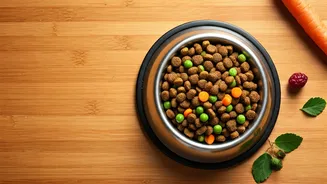
in the family photos, and being referred to as a “fur baby.” Data from the American Pet Products Association (APPA) consistently shows that a vast majority of owners, particularly Millennials and Gen Z, view their pets as full-fledged family members. This emotional shift has direct economic consequences. When you see your pet as a child, you start applying the same standards of care to them as you would to yourself. You scrutinize their diet, worry about their long-term health, and seek out what you perceive to be the best possible nutrition, moving away from basic kibble toward something that feels more wholesome and considered.
The Human Wellness Wave Spills Over
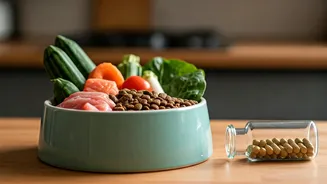
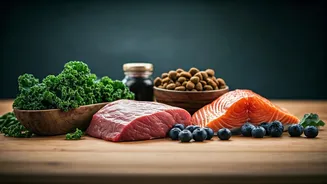
At the same time pets were moving from the backyard to the bedroom, their owners were becoming obsessed with wellness. The rise of clean eating, organic produce, farm-to-table restaurants, and gluten-free everything has reshaped how we think about our own food. It was only a matter of time before this philosophy was projected onto our pets. If we believe that processed foods, artificial additives, and mysterious by-products are bad for us, we logically conclude they must be bad for our dogs and cats, too. Brands have been quick to capitalize on this, using parallel language. Terms like “grain-free,” “superfoods” (like blueberries and kale), “limited ingredient,” and “ancient grains” are lifted directly from the human health food lexicon, creating an instant, intuitive appeal for a health-conscious consumer.
What Does 'Natural' Even Mean?
While the idea of “natural” is appealing, the term itself can be murky. In the U.S. pet food industry, the Association of American Feed Control Officials (AAFCO) provides a definition. A food can be labeled “natural” if its ingredients are derived solely from plant, animal, or mined sources, and are not produced by or subject to a chemically synthetic process. However, this allows for ingredients to undergo common processing like heating, grinding, and purifying. Furthermore, vitamins, minerals, and other trace nutrients are often synthetic and must be added, so labels will often read “natural with added vitamins and minerals.” This means “natural” isn’t a synonym for “unprocessed” or even “healthier.” It’s a regulatory and marketing term that signals an absence of artificial flavors, colors, and preservatives—something many consumers want, but it doesn't guarantee superior nutrition on its own.
A Demand for Trust and Transparency
The shift toward natural ingredients is also a story about trust. High-profile pet food recalls over the past two decades, most notably the widespread melamine contamination in 2007, shattered consumer confidence in some legacy brands. These events created an opening for smaller, premium brands to build their identity around transparency and ingredient sourcing. They began telling stories about where their chicken came from or why they chose sweet potatoes over corn. This resonated with a new generation of pet owners who are digital natives, accustomed to researching products and reading reviews before buying. They don't just want to be told a food is good; they want to see the ingredient list and understand why each component is there. The “natural” label has become shorthand for this kind of transparency, whether fully earned or not.
The Power of Premium Marketing
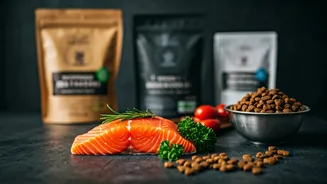
Ultimately, the natural pet food trend is a massive business success. Shifting from conventional ingredients to premium ones—like deboned salmon instead of generic “fish meal”—allows companies to position their products in a higher price bracket. The pet care industry has proven to be remarkably recession-proof, with owners willing to spend significant amounts on their animals’ well-being. By marketing food as a form of preventative healthcare or an expression of love, brands tap directly into the owner’s deepest emotional motivations. The beautiful packaging, with its images of fresh vegetables and wild-roaming animals, creates a powerful sense of virtue at the checkout counter. For many, paying more for “natural” food feels less like an expense and more like a responsible, loving choice.