
The Anti-Tourist Trap Destination
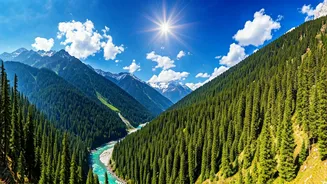
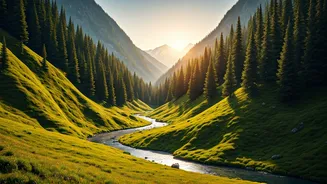
Imagine a corner of the Himalayas that the travel hordes haven't quite discovered yet. That's Tirthan Valley. Tucked away in the Kullu district of Himachal Pradesh, India, this serene spot is a designated eco-zone and the gateway to the Great Himalayan
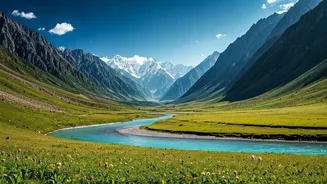
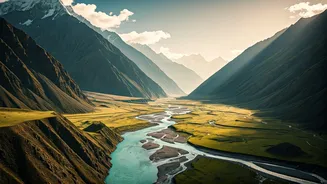
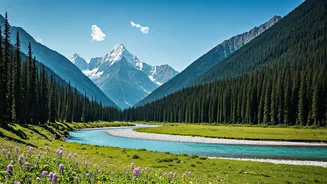
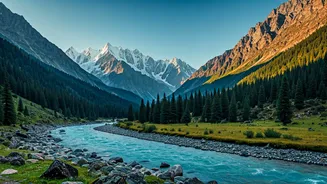
National Park, a UNESCO World Heritage Site. Unlike its bustling cousins like Manali or Shimla, Tirthan has deliberately sidestepped large-scale commercial development. There are no sprawling resorts or noisy market streets here. Instead, you'll find a quiet valley carved by the Tirthan River, dotted with traditional wooden houses, terraced orchards, and small, welcoming villages. It’s the kind of place you go to unplug, breathe in pine-scented air, and remember what silence sounds like.
Life on the River's Edge
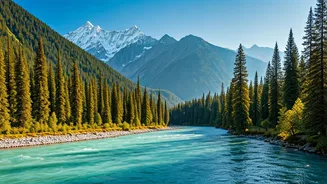
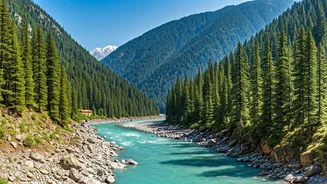
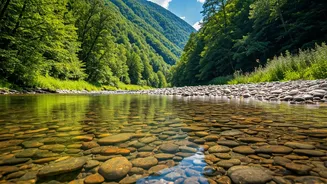
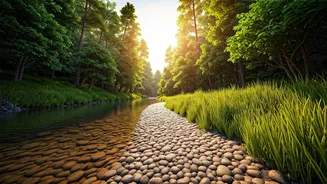
The river is the valley's soul. Fed by glacial springs, the Tirthan River runs so clear you can count the stones on its bed. The entire rhythm of life here revolves around it. The “riverside escapes” of the headline are not just a concept; they are literal. Most of the best places to stay are family-run guesthouses and homestays with balconies and gardens that open directly onto the riverbank. Mornings are for sipping chai while watching the water sparkle, afternoons are for finding a sunny boulder and dipping your feet into the shockingly cold water, and evenings are for bonfires set to the river's constant, soothing murmur. It’s an immersive experience that forces you to slow down and simply be present.
Trout Fishing and Gentle Adventures
While pure relaxation is the main event, the river also offers a bit of sport. Tirthan is famous for its trout population, particularly brown and rainbow trout. Even for non-anglers, it’s a core part of the local identity. You can obtain a permit from the fisheries department for a day of angling, and many locals are happy to guide you to the best spots. It’s a meditative activity that connects you directly to the ecosystem. Beyond fishing, the river's path creates natural swimming pools in calmer sections—an invigorating, if brief, dip. For the less brave, simply walking along the river's edge, crossing rickety wooden bridges, is an adventure in itself.
Beyond the River: Hikes and Villages
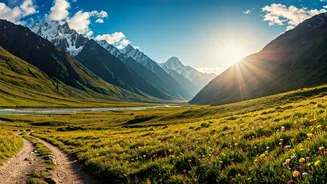
When you’re ready to leave the immediate riverbank, the valley unfolds with gentle trails and hidden treasures. Tirthan is a hiker's paradise, with paths for every fitness level. You can take a short walk to a nearby waterfall, a half-day trek up to the ancient Chehni Kothi (a towering wooden fort-like structure), or simply wander through tiny villages like Gushaini, Nagini, and Jibhi. These hamlets offer a glimpse into the traditional Kath-Kuni architecture and a slower pace of life. You'll see locals tending their apple orchards or weaving on wooden looms. It’s an antidote to the curated perfection of many tourist destinations; this is real, functioning, and deeply peaceful.
The Homestay Philosophy
The magic of Tirthan is intrinsically linked to its accommodation. You don’t just book a room; you're often welcomed into a home. The homestay culture here is strong, and it's the best way to experience the valley. Your hosts will likely be a local family who can share stories about the area, cook delicious, farm-fresh Himachali meals (ask for 'Siddu,' a local steamed bread), and give you the best tips on where to walk. These aren't just places to sleep; they are central to the experience of a riverside escape. Choosing a homestay over a hotel means you're directly supporting the local community and helping preserve the very charm that makes Tirthan so special.