



The Magic of Barfi
Before we get to the mango, let’s talk about barfi. If you’ve never had it, imagine a denser, creamier cousin of fudge. At its heart, barfi is a milk-based sweet, traditionally made by slowly cooking down milk until it thickens into solids known as *khoya*
or *mawa*. This rich base is then sweetened and often flavored with cardamom, rose water, or nuts like pistachios and almonds. It’s a foundational sweet in Indian cuisine, a dessert-case staple that signals celebration. Found in glistening, colorful stacks at sweet shops, barfi is an essential part of major festivals like Diwali, Holi, and Raksha Bandhan. It’s exchanged between families as a gesture of goodwill, offered to deities during prayers, and shared to mark joyous occasions, from weddings to graduations. Its texture is soft yet firm, melting in your mouth with a rich, milky sweetness that is both comforting and decadent.
A Sun-Kissed Modern Twist
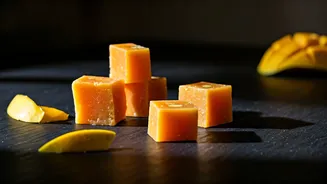
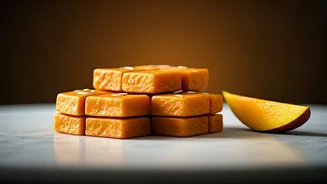
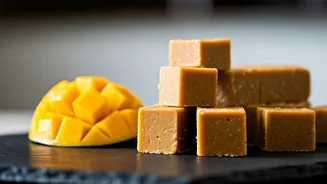
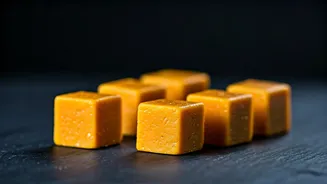
Adding mango to the mix is a stroke of genius. Mango, revered as the “king of fruits” in India, brings a bright, tangy, and fragrant dimension that cuts through the richness of the milk base. It transforms the classic sweet into something vibrant and tropical. While traditional barfi is a year-round treat, mango barfi sings of summer and sunshine. Using mango pulp—specifically from sweet, non-fibrous varieties like Alphonso or Kesar—infuses the dessert with an unmistakable golden hue and an intense fruity flavor. This modern variation has become wildly popular, bridging the gap between nostalgic tradition and contemporary taste. It’s a way to enjoy the essence of summer long after the season has passed, making any day feel a little more like a festival.
Making It Simple at Home
The thought of making Indian sweets can be intimidating, especially those involving condensed milk. But this recipe uses a common shortcut that delivers fantastic results without hours of stirring: milk powder. It replicates the richness of traditional khoya beautifully and comes together in under 30 minutes. The key is constant, gentle stirring to prevent the mixture from scorching. Don’t walk away from the pan! The mixture will go from liquid to a thick, dough-like mass that pulls away from the sides. That’s your sign that it’s ready. Have your greased tray ready to go, as you’ll need to work quickly to spread the mixture before it sets.
The Recipe for Mango Barfi
This quick version delivers all the festive flavor. You’ll need: * 1 cup sweetened mango pulp (canned Alphonso or Kesar works best) * 1 ½ cups full-fat milk powder * ½ cup sugar (adjust based on the sweetness of your mango pulp) * ¼ cup heavy cream or whole milk * 4 tablespoons ghee (clarified butter), plus more for greasing * ½ teaspoon cardamom powder * Chopped pistachios or almonds for garnish To make it, combine the mango pulp and sugar in a non-stick pan over medium-low heat. Stir until the sugar dissolves completely. Add the heavy cream and 2 tablespoons of ghee, mixing well. Next, gradually add the milk powder while stirring continuously to avoid lumps. Keep stirring as the mixture begins to thicken. Add the remaining 2 tablespoons of ghee and the cardamom powder. Continue to cook, stirring constantly, until the mixture forms a single mass and starts pulling away from the sides of the pan—this should take about 15-20 minutes. Immediately transfer the mixture to a greased tray or a dish lined with parchment paper. Spread it evenly to about a half-inch thickness using a spatula. Sprinkle generously with chopped pistachios and gently press them into the barfi. Let it cool completely at room temperature for at least 2-3 hours, or until firm. Once set, cut into squares or diamond shapes.
Serving and Storing Your Creation
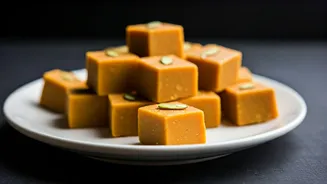
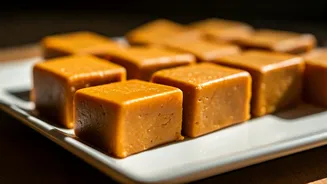
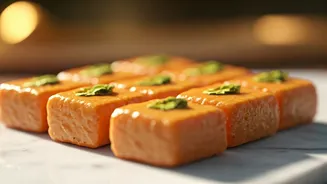
Your homemade mango barfi is ready to shine. The vibrant orange squares studded with green pistachios are beautiful on their own, but they are traditionally arranged on a platter to be shared. They make a perfect edible gift or a delightful sweet to end a meal. Store your barfi in an airtight container. It will keep well at room temperature for 3-4 days, or you can refrigerate it for up to two weeks. Just be sure to bring it back to room temperature before serving to enjoy its optimal soft, melt-in-your-mouth texture. Whether you’re preparing for a specific holiday or simply want to bring a little celebration into your week, this treat is a guaranteed way to do it.