



The Great Thirst
For much of the year, the state of Maharashtra in western India endures a long, dry season. The formidable Sahyadri mountain range—also known as the Western Ghats—bakes under an unrelenting sun. Its rolling hills and deep valleys become parched, their
soil cracked and their rivers reduced to trickles. The landscape is beautiful in a stark, rugged way, but it is a beauty defined by endurance and patience. This is the quiet before the storm, a period of anticipation that sets the stage for one of nature’s most spectacular seasonal shifts.
When the Heavens Open
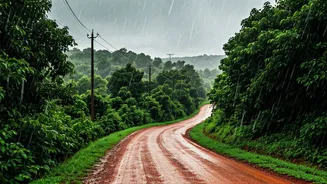
Sometime around June, everything changes. The southwest monsoon winds, heavy with moisture from the Arabian Sea, sweep inland and collide with the Western Ghats. This isn't just a spring shower; it's a deluge that defines the rhythm of life for millions. The first rains are an event, celebrated for breaking the oppressive heat and promising renewal. For the next three to four months, the region is drenched in consistent rainfall that awakens the dormant earth. The sound of rain becomes the season's soundtrack, and the scent of wet soil, known as petrichor, fills the air.
A World Reborn in Green
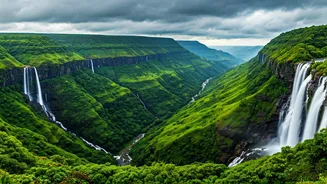
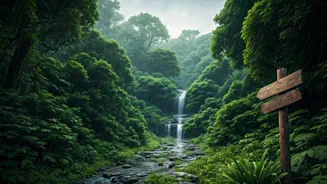
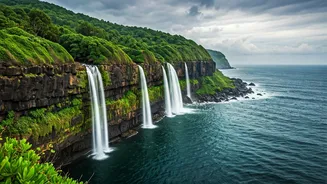
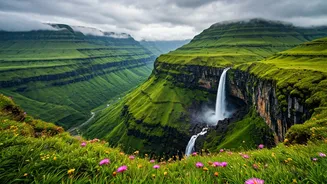
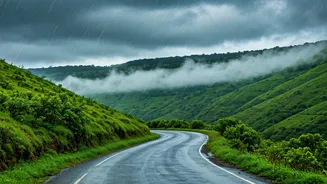
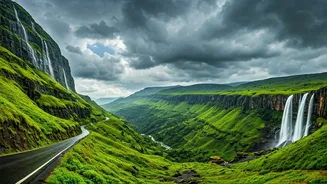
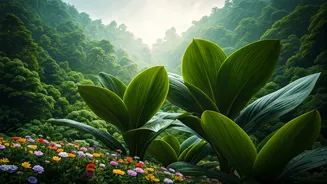
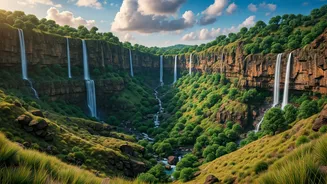
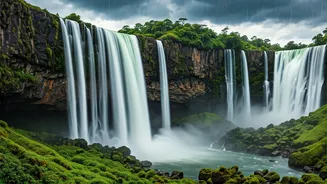
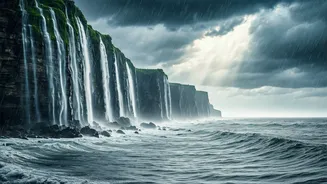
The visual transformation is nothing short of miraculous. Within weeks, the monochrome brown landscape explodes into an impossible spectrum of greens. Hillsides that were barren are suddenly carpeted in velvety moss and fresh grass. Seeds that lay dormant for months sprout with an explosive urgency, covering entire plateaus with tiny, colorful wildflowers. The most dramatic change is the water. Every cliff face and rock wall becomes a potential waterfall, with thousands of temporary cascades gushing down the mountainsides. The air grows thick with mist, shrouding the valleys in an ethereal, otherworldly fog that adds to the magic.
Valleys of Wonder
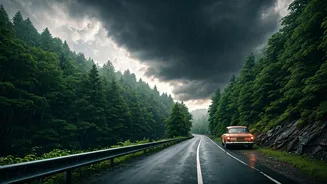
This spectacle unfolds across numerous valleys, each with its own unique charm. Malshej Ghat, a mountain pass, becomes famous for its dense fog and waterfalls that spill directly onto the road, creating a drive-through cascade. Further south, the Kaas Plateau, a UNESCO World Natural Heritage site, earns its nickname “the valley of flowers” as it becomes covered in more than 850 different species of blooming plants, creating a painter's palette of color. Near Pune, places like Tamhini Ghat offer breathtaking drives through winding roads flanked by roaring waterfalls and lush greenery. These aren't just scenic spots; they are entire ecosystems coming to life.
A Fleeting, Precious Spectacle
What makes this paradise so poignant is its impermanence. The intense greenery and the countless waterfalls are entirely dependent on the monsoon rains. By October, as the monsoon recedes, the show begins to wind down. The waterfalls shrink, the vibrant flowers wilt, and the hills slowly begin their transition back to the familiar shades of brown and gold. This fleeting window, from roughly July through September, is when Maharashtra's valleys are at their most majestic. It's a powerful reminder of nature's cycles of decay and rebirth, a vibrant, living spectacle that appears and vanishes with the clouds.