







An Introduction to the Star Player
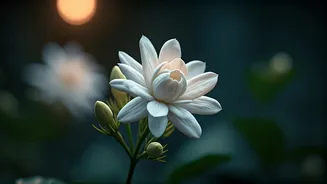
First, let's be clear: the plant causing this stir is most often *Cestrum nocturnum*, commonly known as night-blooming jasmine, night-jessamine, or Queen of the Night. Despite its name, it isn’t a true jasmine from the *Jasminum* genus. It's a tropical
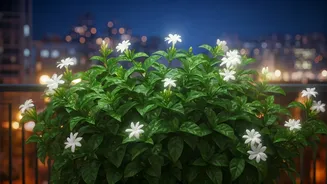
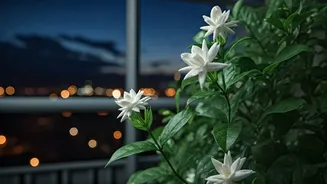
evergreen shrub in the nightshade family—the same family as tomatoes and potatoes. Its magic lies not in its modest, greenish-white tubular flowers, but in what they do after sunset. For a few hours each night, the plant releases an intoxicating, perfume-like fragrance so potent it can fill an entire balcony or small yard, drawing in moths and, increasingly, millennial and Gen Z 'plant parents' seeking a unique sensory experience.
The Allure of the Nocturnal Garden
Why this specific plant, and why now? The trend speaks to a shift in how younger people approach their living spaces and personal time. In a world saturated with visual stimulation from screens, the appeal of a plant that performs for the nose is profound. The night-blooming jasmine offers a different kind of payoff. Its bloom isn't for an Instagram photo (the flowers themselves are unassuming); it's an immersive, atmospheric event. It transforms the act of sitting on your balcony with an evening drink from mundane to magical. It encourages a moment of pause, a deliberate turning away from the digital world to engage with the natural one, right on the cusp of nighttime.
Crafting a Sanctuary in the City
For the millions of young adults living in apartments, the balcony or fire escape is often the only patch of private outdoor space available. The pandemic accelerated the desire to optimize these small areas, turning them from afterthoughts into essential extensions of the home. The night-blooming jasmine is perfectly suited for this role. Contained in a pot, it can thrive in the limited space of a balcony. More importantly, its powerful scent creates a bubble of tranquility, an aromatic 'fence' that can momentarily mask the sounds and smells of the city. It’s less about cultivating a perfect garden and more about curating a personal atmosphere—a private, fragrant escape just a few feet from the living room.
A Ritual of Care and Reward
The 'plant parent' phenomenon is built on the psychological benefits of nurturing. Caring for a living thing provides a sense of purpose and a gentle, grounding routine. The night-blooming jasmine adds a spectacular reward to this cycle. The daily watering and seasonal fertilizing culminate in a powerful, recurring payoff. This isn’t the slow, steady satisfaction of watching a pothos vine grow an inch. This is an event. The anticipation of the evening fragrance becomes part of the day's rhythm, a reward for the care invested. It aligns perfectly with wellness culture's emphasis on mindfulness and sensory rituals that promote calm and well-being. The plant doesn't just sit there; it actively participates in the owner's evening wind-down routine.
Is a Night-Bloomer for You?
While *Cestrum nocturnum* is a standout, it's part of a broader family of night-blooming plants that appeal to this same sensibility, including certain species of moonflower, cereus, and even some true jasmines like *Jasminum sambac*. If you're considering joining the fragrant-balcony club, the night-blooming jasmine is a rewarding choice, but it requires a little homework. It loves sun, so a south- or west-facing balcony is ideal. It's a thirsty plant, especially in a container, and needs regular watering in the summer. It's also a fast grower that will require pruning to keep it a manageable size for a balcony. And be aware: its scent is famously strong. For some, it's heavenly; for others (and potentially close-by neighbors), it can be overwhelming.