








What Exactly Is 'Digital Gold'?
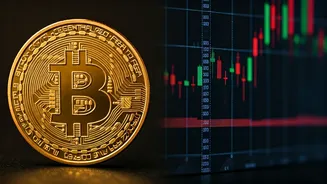
When you hear the term 'digital gold,' think Bitcoin. While the label is sometimes applied to other cryptocurrencies, Bitcoin is its primary claimant. The comparison isn't just clever marketing; it’s rooted in shared characteristics with physical gold.
Like gold, Bitcoin has a finite supply—only 21 million will ever be created. This built-in scarcity is a core part of its value proposition. It cannot be arbitrarily printed or inflated by a central bank, which is a major draw for investors worried about the declining purchasing power of traditional currencies like the U.S. dollar. Furthermore, it's decentralized, meaning it operates on a global network of computers outside the control of any single government or corporation. For proponents, this makes Bitcoin a modern-day store of value—an asset that can preserve wealth over the long term, much like gold has for millennia, but in a digital, more easily transferable form.
The 'Non-SIP' Investing Mindset
The second half of the headline—'Non-SIP'—is just as important. SIP stands for Systematic Investment Plan, the familiar strategy of investing a fixed amount of money at regular intervals, like the automatic deductions for your retirement account. It’s a disciplined, hands-off approach designed to build wealth slowly and smooth out market volatility through dollar-cost averaging. The 'Non-SIP' trend is the polar opposite. It describes a more active, often lump-sum approach to investing. Instead of automated, periodic buys, investors are making direct, conscious decisions to purchase digital gold, often spurred by market news, a dip in price, or a strengthening conviction in the asset's future. This isn't about setting and forgetting; it’s about actively participating in the market. This method is common among retail investors who access crypto through apps like Coinbase, Kraken, or even Cash App, where buying $100 or $1,000 worth of Bitcoin is as easy as ordering food.
Why Is This Happening Now?
This shift is fueled by a confluence of technology, culture, and economics. First, the barrier to entry has evaporated. A decade ago, buying Bitcoin was a complex, niche activity. Today, user-friendly apps have put it at the fingertips of anyone with a smartphone and a bank account. Second, there's a cultural element. A new generation of investors, often digital natives, is comfortable with purely digital assets and communicates on platforms like X (formerly Twitter) and Reddit, where information and sentiment about crypto spread rapidly. For some, there's a philosophical appeal—a desire to opt out of a traditional financial system they view as opaque or rigged. Finally, the economic environment of the last several years, characterized by high inflation and low interest rates, has pushed many to look for alternative ways to protect and grow their money, making the 'digital gold' narrative more compelling than ever.
The Allure vs. The Reality
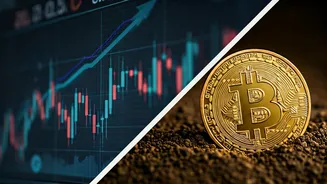
The allure is undeniable: the potential for outsized returns and a hedge against economic instability. Stories of early Bitcoin investors turning small sums into fortunes are modern financial folklore. However, the reality is one of extreme risk and volatility. While gold's value is relatively stable, Bitcoin's price can swing dramatically in a single day. A 20% drop is not an anomaly; it's a known feature of the market. Regulatory uncertainty also looms large. Governments around the world, including in the U.S., are still figuring out how to handle cryptocurrencies, and future rules could significantly impact their value and accessibility. Unlike a stock, which represents ownership in a company that produces goods or services, Bitcoin's value is derived purely from what the next person is willing to pay for it. This makes it a highly speculative asset, worlds away from the slow, steady, and predictable nature of a traditional SIP.