


The 'Sea of Milk' Roars to Life
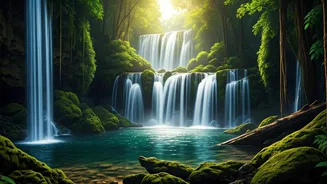
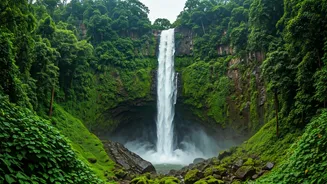
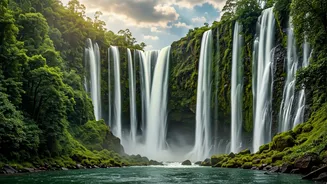
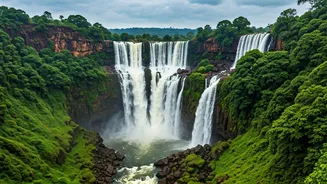
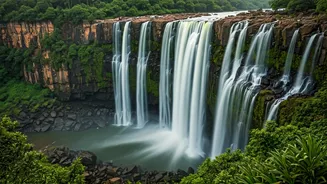
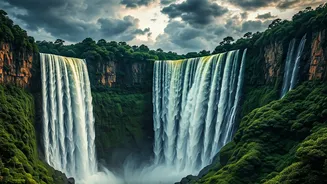
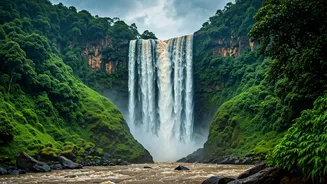
Imagine a wall of white water, so immense and powerful it looks like a colossal amount of milk being poured from the heavens. This is Dudhsagar Falls, and its name literally translates to “Sea of Milk.” Standing over 1,000 feet tall, it’s one of India's
highest waterfalls, but its true majesty isn't just about height; it’s about volume. For much of the year, it’s a serene, multi-stream cascade. But with the onset of the monsoon in early June, it transforms into a singular, thundering behemoth. The sheer force of the water crashing down the tiers of the Western Ghats mountains creates a deafening roar that echoes through the jungle and sends plumes of mist high into the air. The most iconic, almost mythical, view is of a train carefully crossing an old stone railway bridge that bisects the falls, looking like a tiny model against the curtain of white fury.
More Than Just a Rainy Season
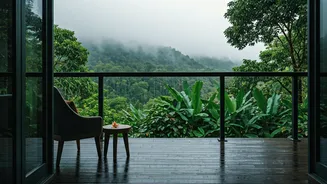
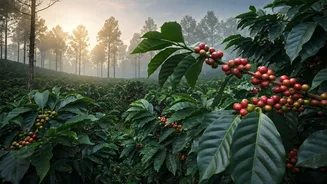
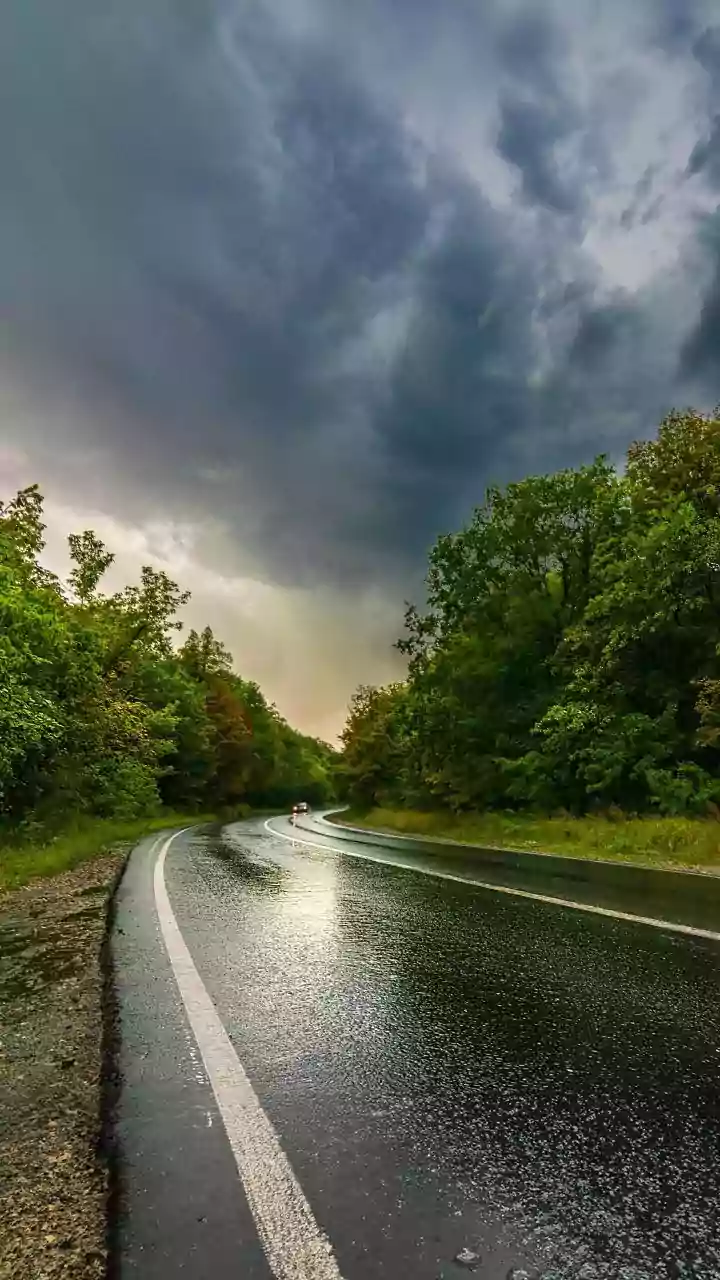
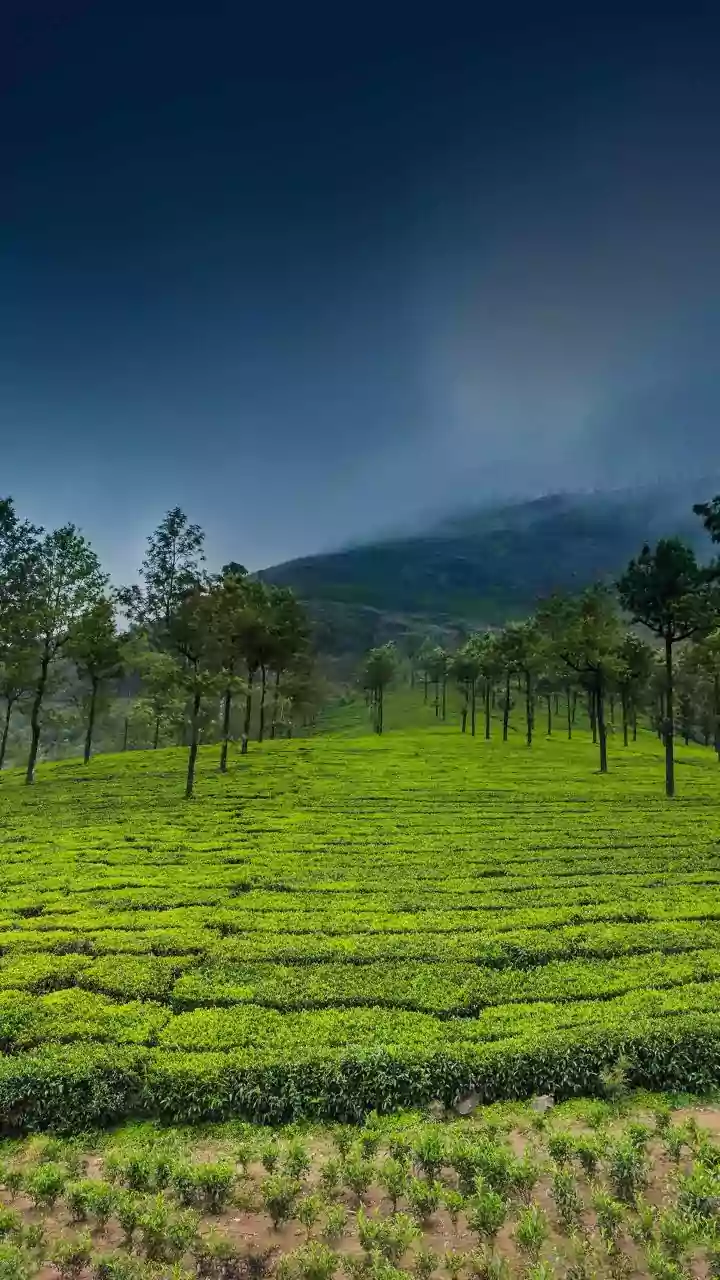
For many Americans, a “monsoon” might sound like a prolonged, dreary rainy season to be avoided. In Goa, it’s a celebrated, life-giving event that completely reshapes the landscape. After months of dry heat, the first rains are a welcome relief, washing the dust from the leaves and turning the entire state a vibrant, electric green. The monsoon is not a continuous downpour but a dramatic cycle of intense rainstorms followed by breaks of bright, clear sunshine. It replenishes rivers, nourishes the spice plantations and rice paddies, and triggers the awe-inspiring transformation of waterfalls like Dudhsagar. The air becomes heavy with the smell of wet earth and blooming flowers. For Goans, it’s a time of renewal and natural celebration, a vibrant counterpoint to the tourist-heavy winter season.
An Adventure into the Wild
Dudhsagar Falls is not a roadside attraction. It is tucked deep inside the Bhagwan Mahaveer Sanctuary and Mollem National Park, a protected area teeming with biodiversity. Reaching the base of the falls typically requires a rugged, hour-long jeep safari from the nearby village of Collem, fording streams and bouncing along muddy jungle tracks. This journey is an adventure in itself, offering glimpses of monkeys, exotic birds, and perhaps even a shy deer. The sense of isolation and immersion in nature makes the final reveal of the waterfall even more breathtaking. You hear it long before you see it, and the anticipation builds with every turn of the trail.
Witnessing the Spectacle Safely
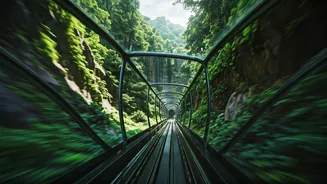
Seeing Dudhsagar at its peak monsoon glory presents a classic travel paradox: the most spectacular time to see it is also the most challenging. As the rivers swell and the trails become treacherous, local authorities often suspend the jeep safaris to the base of the falls for safety reasons. Access roads can become completely impassable. So, how can you witness the phenomenon? The answer for many lies with the Indian Railways. The train route from Goa to Karnataka passes directly over the aforementioned bridge, offering one of the most staggering views available anywhere in the world from a train window. Passengers crowd the doors and windows to catch a fleeting, spray-soaked glimpse of the falls in their full fury. While dedicated treks are sometimes organized for the most adventurous, they are strenuous and require expert guides. For most, the view from the train remains the safest and most reliable way to experience the monsoon-fed grandeur of the Sea of Milk.