





From Niche Aisle to Center Stage
For decades, finding South Asian ingredients in mainstream American grocery stores meant a trip to the “international” aisle—a section often feeling like an afterthought, with functional packaging and little brand storytelling. The marketing, if any existed,
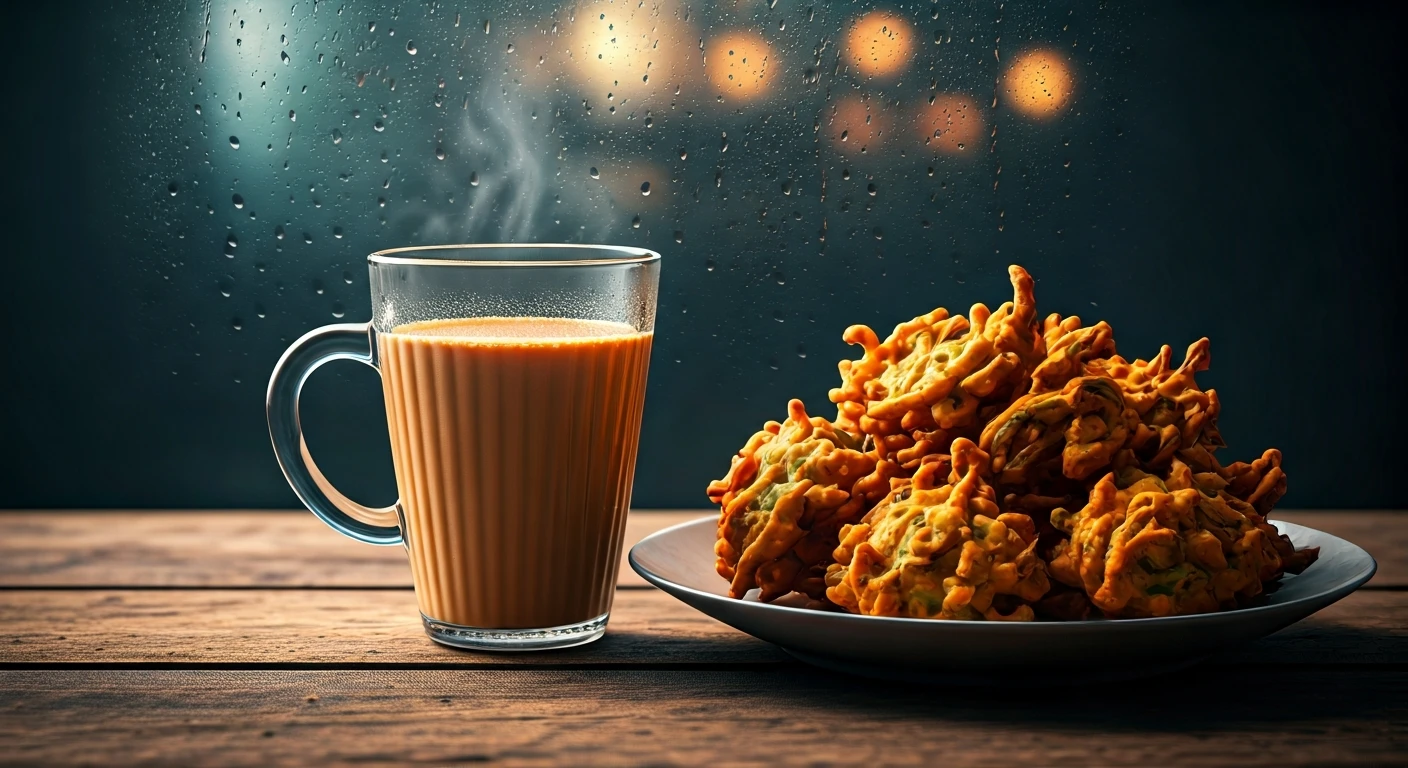
was aimed at first-generation immigrants, focused on utility and familiarity. But a significant shift is underway. Brands are no longer just selling ghee, spices, or chai; they are selling a feeling. They’re marketing the warmth of a grandmother’s kitchen, the controlled chaos of a Diwali party, and the comforting taste of home, all packaged for a new generation.
The Power of Nostalgia
At the heart of this trend is a powerful tool: nostalgia. Consider the viral success of the Our Place Always Pan. Their marketing didn't just showcase a non-stick surface; it featured multigenerational South Asian families cooking together, blending traditions in a modern American home. Similarly, brands like Ghee Hi and Diaspora Co. build their entire identity around authenticity and heritage. Their social media feeds aren't just product shots; they are curated galleries of vintage family photos, stories of sourcing ingredients from ancestral farms, and recipes passed down through generations. These campaigns work because they don’t just say, “Buy our product.” They say, “We see you. We understand where you come from. We honor your story.” This emotional connection transforms a simple jar of pickles or a bag of rice from a commodity into a totem of identity.
More Than Just a Demographic
So, why now? The answer lies in simple demographics and complex identity. The South Asian diaspora in the United States is one of the fastest-growing and most affluent immigrant groups. Marketers have finally woken up to their immense purchasing power. But it’s deeper than that. Second- and third-generation South Asian Americans are navigating a hybrid identity. They are fluent in American pop culture but also long for a connection to their roots. They want products that feel both modern and authentic, that fit into their American lives without erasing their heritage. These consumers are digitally native, culturally savvy, and quick to call out brands that get it wrong. They aren't looking for a stereotypical sitar soundtrack; they're looking for genuine representation that reflects the nuance of their lived experiences. Brands that succeed are the ones that speak this new language of cultural fluency.
Walking the Authenticity Tightrope
Of course, marketing to a specific culture is a delicate dance. There's a fine line between heartfelt tribute and hollow pandering. As more mainstream brands try to capture the Desi dollar, the risk of missteps grows. Consumers are wary of “culture-washing,” where corporations use superficial cultural symbols to sell products without any real investment in or understanding of the community. The most successful campaigns are often from brands founded by South Asians themselves, where the marketing isn't a strategy—it’s an extension of the founder’s own story. For legacy brands, the challenge is to move beyond token representation and engage in true partnership, listening to the community and creating campaigns that resonate because they are rooted in a shared reality, not a marketing brief.