
From Five-Star Buffets to Empty Vistas
For decades, the aspirational Indian vacation followed a familiar script. It involved checking into a well-known hotel in a famous destination—think a palace hotel in Rajasthan, a beachside resort in Goa, or a colonial-era escape in Shimla. The goal was
predictable comfort and recognizable landmarks. You went to the Taj Mahal, you took the picture, you joined the sea of humanity doing the exact same thing. Success was measured in the opulence of your hotel and the number of famous sites you could tick off a list. This was travel as a form of conspicuous consumption, a way to signal that you had arrived. The social currency was straightforward: photos of infinity pools, bustling market hauls, and famous monuments packed with other visitors. It was a shared experience, but one defined by crowds. The very popularity of a place was its main selling point. But for the generation raised on the internet, where everything popular quickly becomes oversaturated, the definition of a desirable experience is starting to change dramatically.
The Allure of the Undiscovered
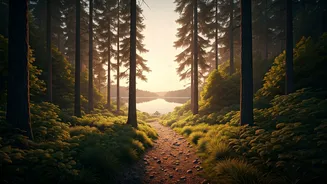
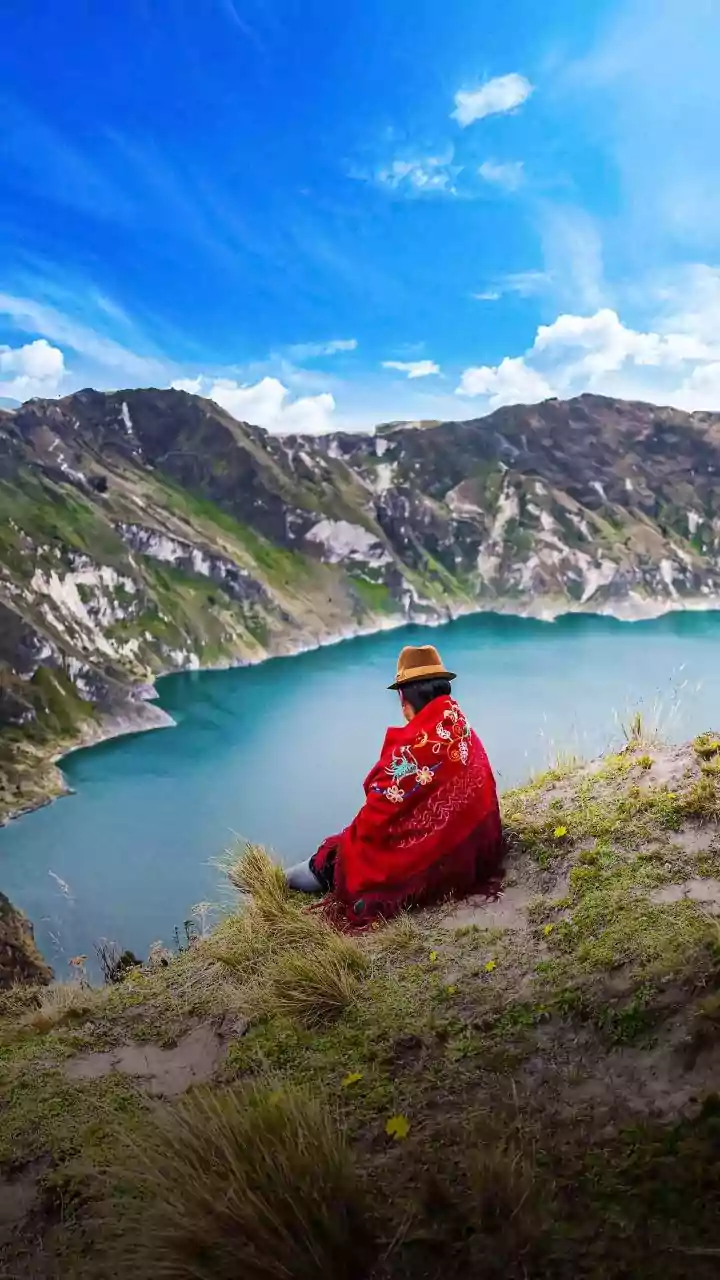
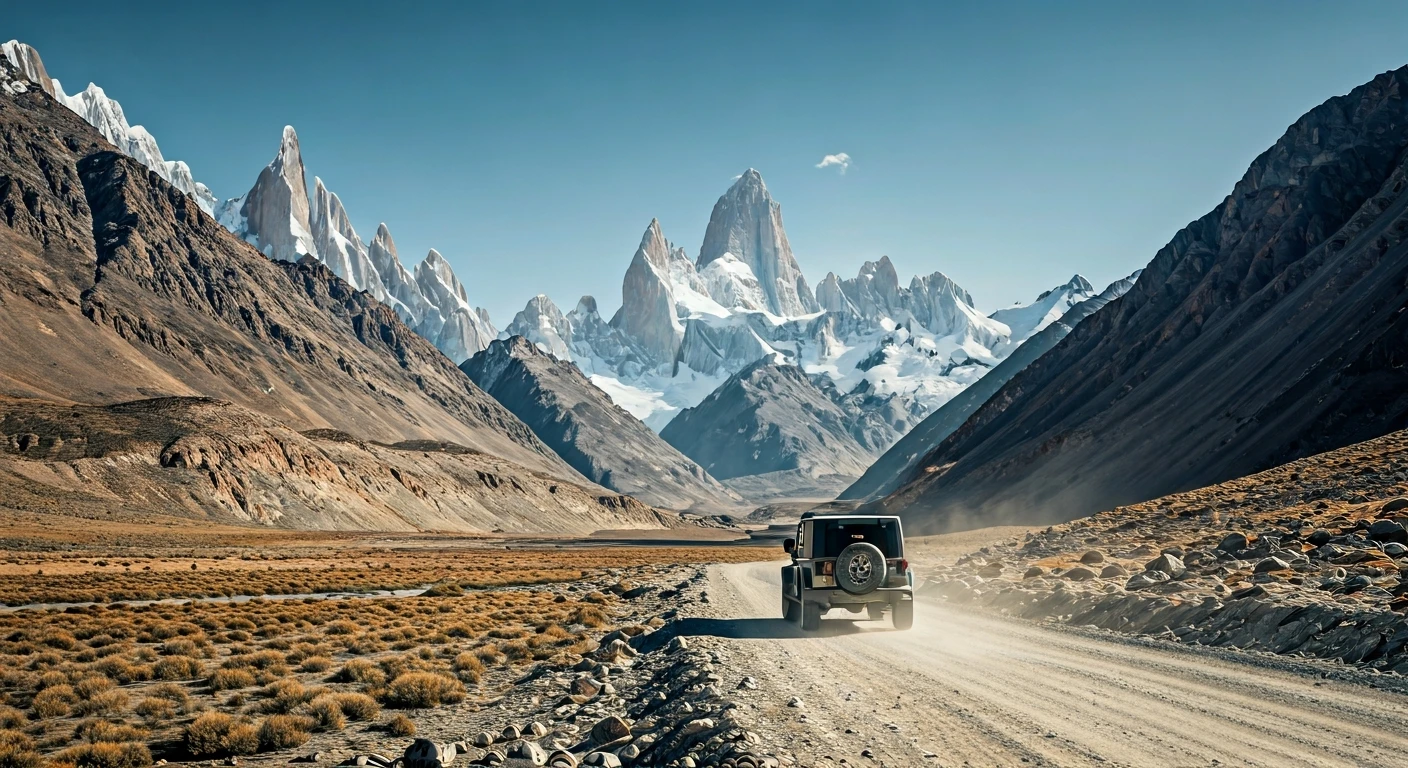
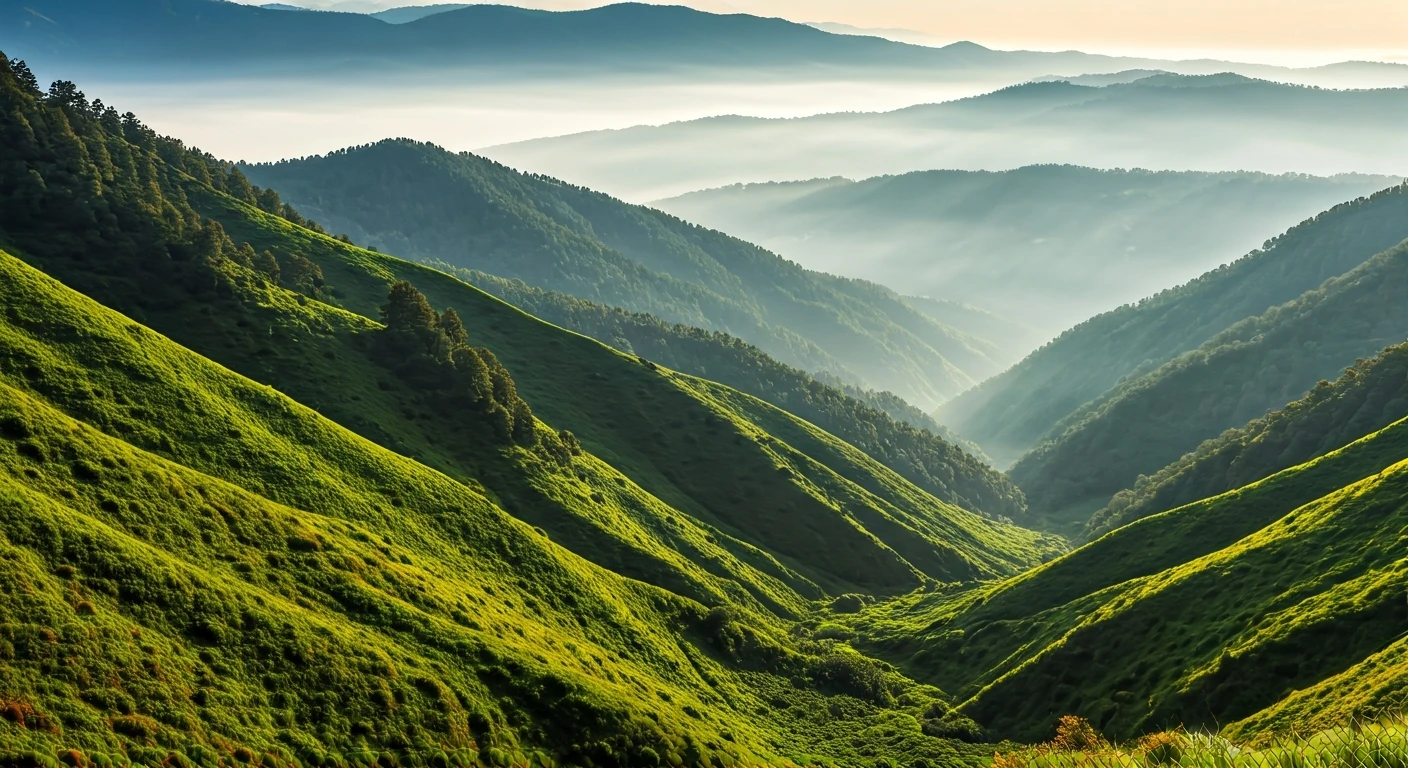
Today’s travel flex is different. It's a photo of a single tent under a star-filled sky in the Spiti Valley. It’s a video of a quiet, unnamed waterfall in the forests of the Western Ghats. It’s a story about a week spent in a remote homestay in a tiny village in Arunachal Pradesh, a state in India’s far northeast that many locals have never even visited. The new luxury is not being surrounded by service, but by silence. This shift is driven by a desire for authenticity and a rebellion against the algorithmic sameness of social media feeds. When everyone has the same picture from the same scenic overlook in Manali, the only way to stand out is to post a picture from somewhere no one recognizes. Young Indian millennials and Gen Z travelers are actively seeking out “offbeat” destinations, trading the chaos of cities for the calm of nature. They are championing slow travel, where the point isn’t to see as much as possible, but to deeply experience one place. The brag isn't “I went to Goa”; it’s “I found a fishing village an hour north of Goa where I was the only tourist.”
Pandemic Push and a Search for Meaning
The COVID-19 pandemic acted as a massive accelerator for this trend. After months of lockdown, the idea of plunging back into a crowd lost its appeal. Health and safety concerns made secluded spots inherently more attractive. Simultaneously, the normalization of remote work created a new class of traveler: the digital nomad. With just a laptop and a decent internet connection, suddenly it was possible to work from a cabin in the Himalayas or a cottage overlooking the backwaters of Kerala for weeks or months at a time. This extended time allows for a deeper connection to a place, moving beyond the superficiality of a weekend trip. But the motivation runs deeper than just logistics. There’s a growing weariness with the performative nature of mainstream tourism. Many young people are searching for more meaningful experiences—learning a local craft, understanding a region’s ecology, or simply disconnecting from the relentless pace of modern Indian life. This isn't just about escaping crowds; it's about finding a piece of yourself that gets lost in them.
Beyond the Instagram Grid
While a unique photo is still a prized possession, this movement is more than just a hunt for new social media content. It represents a maturing of the young Indian traveler. It’s an embrace of sustainability, with a preference for eco-conscious homestays that support local communities over large, resource-intensive hotel chains. It’s a turn toward wellness, where the goal is mental and physical rejuvenation rather than a frantic, exhausting itinerary. This type of travel requires more effort. It involves research, a willingness to embrace uncertainty, and a comfort with foregoing creature comforts. You might have to deal with spotty Wi-Fi or a limited menu. But for its devotees, that’s precisely the point. The friction is part of the experience. It’s a badge of honor that proves you’ve gone beyond the curated, pre-packaged version of India and found something real, something untouched. In a country of 1.4 billion people, finding a slice of solitude is perhaps the greatest luxury of all.