

More Than Just a Mashup
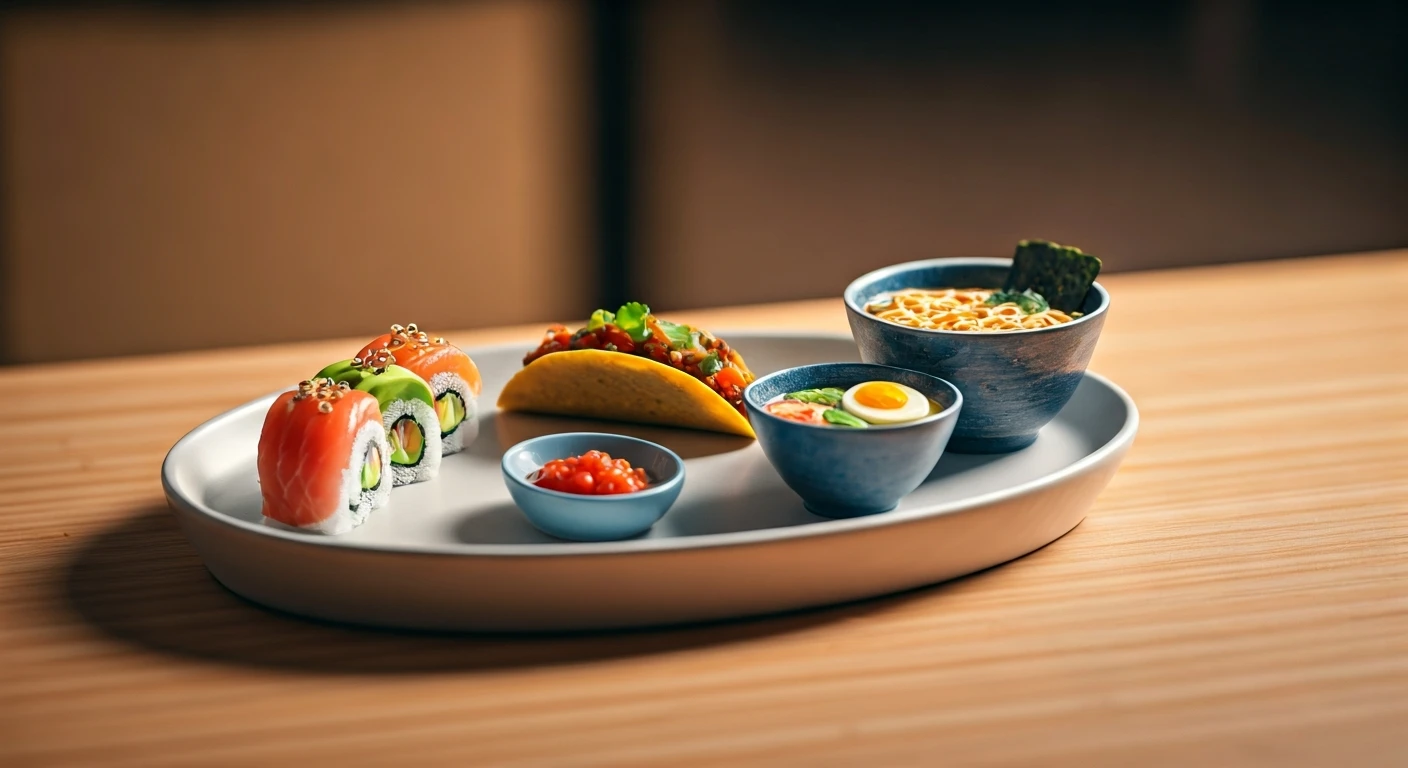
Let’s be clear: this isn't just your standard-issue fusion cuisine from the early 2000s. The 'remix era' of comfort food is less about a formal blending of two distinct culinary traditions and more about a playful, often irreverent, act of creative addition.
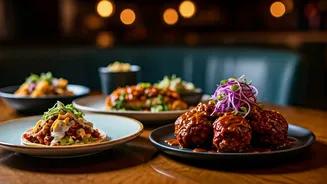
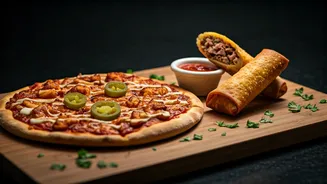
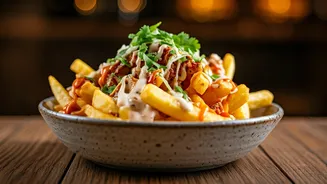
It’s taking a dish that is emotionally resonant and culturally ubiquitous in America—pizza, fried chicken, tacos, pasta—and spinning it with a single, transformative new element. It’s the Nashville hot honey drizzled over a New York slice, the tandoori-spiced fried chicken sandwich, or the everything-bagel-seasoning crusted fish. The core of the original dish remains recognizable, providing the 'comfort,' while the new ingredient provides the novelty and a jolt of unexpected delight. This approach makes worldly flavors feel accessible, attaching them to a familiar and beloved format.
Driven by a Digital Appetite
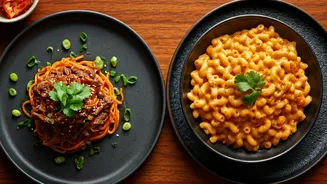
You can’t talk about the comfort food remix without talking about TikTok and Instagram. These platforms have become global engines of culinary trends, and they reward visual drama and delicious surprises. A classic bowl of spaghetti is nice, but gochujang-butter spaghetti is spectacular, shareable, and, most importantly, *clickable*. The birria ramen, which combines the rich, chili-infused broth of Mexican birria with Japanese-style noodles, became a viral sensation precisely because it was both audaciously creative and photogenic. This digital feedback loop encourages chefs and home cooks alike to experiment. When a recipe can go from a niche idea to a national craving in a matter of days, the incentive to break the rules and create the next big thing has never been stronger. It's a culinary landscape where a simple 'hack' or a bold flavor combination can build a massive following overnight.
A New Culinary Vernacular
While social media provides the stage, the stars of this movement are often a new generation of chefs. Many are first- or second-generation Americans who grew up with one set of flavors at home and another in the school cafeteria. For them, blending these worlds isn’t a gimmick; it’s an authentic expression of their identity. Putting Sichuan chili crisp on vanilla ice cream or folding cotija cheese into cornbread isn't a forced mashup—it’s simply cooking with the full range of their personal palate. This trend signals a shift in what is considered 'American' food. The national menu is expanding beyond meatloaf and apple pie to include the vibrant, diverse flavors that reflect the country's actual population. The remix isn't just about food; it's about a cultural dialogue happening on our plates.
Craving Nostalgia and Novelty
Ultimately, the rise of remixed comfort food speaks to a specific psychological need. In a world that often feels uncertain, we crave the nostalgic safety of the foods that have always made us feel good. The simple, reliable pleasure of a burger or a bowl of noodles is a powerful anchor. But at the same time, we also crave new experiences, excitement, and a break from the routine. The remix offers the perfect solution: the culinary equivalent of having your cake and eating it, too. It provides the warm, familiar embrace of a classic dish while simultaneously delivering the thrill of discovery. It’s a trend that understands we want to feel safe, but we also don't want to be bored.