
The Monsoon Isn't Just Rain
First, for anyone unfamiliar, let's be clear: the Indian monsoon is not your average rainy season. In Maharashtra, home to the bustling megacity of Mumbai, this period from roughly June to September is a force of nature. It’s characterized by relentless,
heavy downpours that can last for days, bringing both life-giving water and widespread disruption. While it breaks the oppressive pre-summer heat, it also saturates the ground, swells rivers, and dramatically impacts daily life. For travelers, this means a weekend getaway requires an entirely different level of planning compared to the dry season. It's less about packing a light raincoat and more about preparing for nature to dictate your itinerary.
The Allure: Why People Travel Anyway
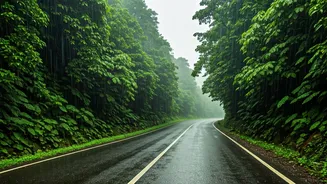
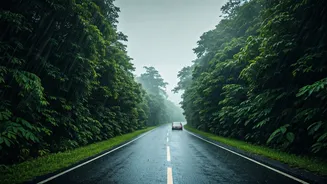
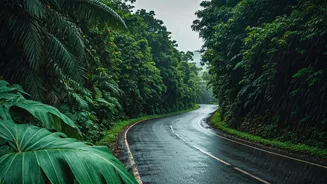
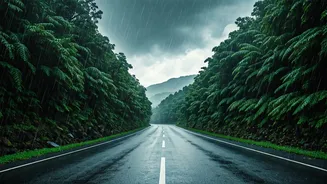
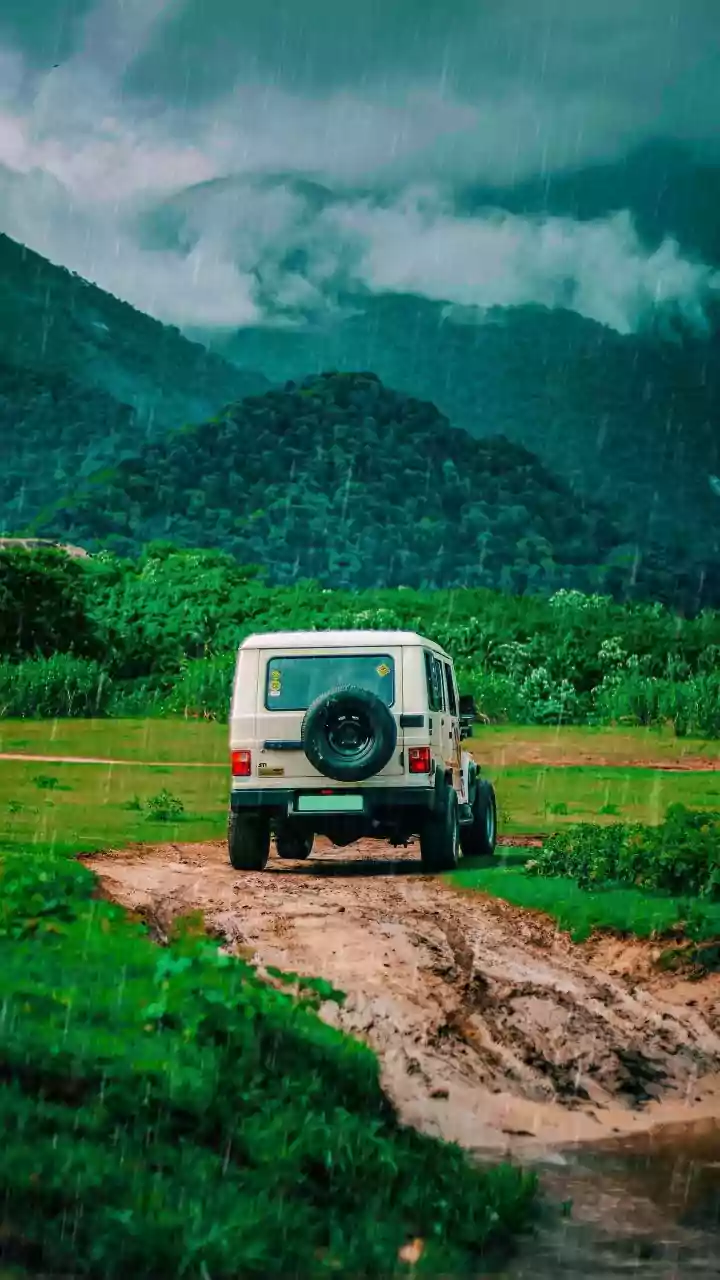
So why would anyone intentionally plan a trip during a deluge? Because the monsoon completely remakes the landscape into something spectacular. The Western Ghats, a mountain range that runs parallel to the coast, explodes with thousands of temporary waterfalls. Popular hill stations like Lonavala and Mahabaleshwar, which are parched and brown in May, become misty, emerald-green wonderlands. The air is cool and fresh, and the scenery is straight out of a fantasy film. This draws huge crowds from Mumbai and Pune, who flock to the hills to witness the spectacle, sip hot chai while watching the rain, and enjoy the dramatic change of pace. It’s an atmospheric experience that many locals consider the most beautiful time of year.
The Reality Check: Landslides and Gridlock
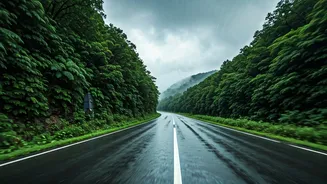
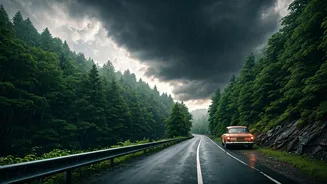
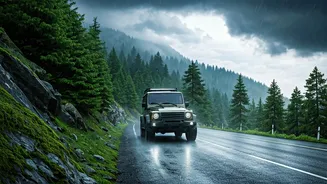
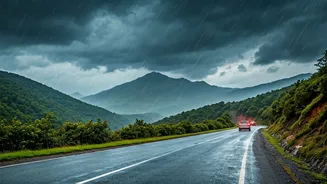
Here's the catch. The same rains that create the beauty also create significant danger. The soil in the hilly regions becomes waterlogged and unstable, leading to frequent landslides that can block major roads for hours or even days. The Mumbai-Pune Expressway, a critical artery for weekend travelers, is notorious for hours-long traffic jams caused by accidents, flooding, or debris. In 2023, several key mountain passes and forts were temporarily closed by authorities due to safety concerns. A three-hour drive can easily turn into a ten-hour ordeal, leaving travelers stranded. Flash floods in low-lying areas are also a constant threat, and what looks like a charming, overflowing stream can quickly become a dangerous torrent.
Hill Stations: Picturesque but Perilous
The very destinations that are most popular during the monsoon are also the most vulnerable. Places like Matheran, a unique eco-sensitive hill station where vehicles are banned, can become isolated if the single toy train line or walking paths are damaged. In many hilltop locations, thick fog reduces visibility to near zero, making driving treacherous. Local authorities often issue warnings, advising against visiting specific high-risk waterfall spots where sudden surges in water levels have led to tragedies. While the views are incredible, visitors must be aware that emergency services can be delayed or cut off by blocked roads, turning a minor incident into a serious problem.
Your Monsoon Travel Game Plan
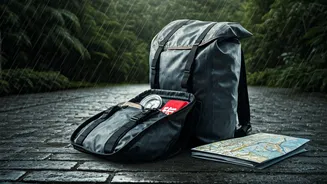
This doesn't mean you should cancel your plans entirely, but it does mean you need to be smart. First, be flexible. Have a Plan B, and be prepared to call off a trip if weather advisories are severe. Second, avoid traveling on the absolute peak days—a Saturday morning departure and Sunday evening return is a recipe for gridlock. If possible, travel on a weekday. Third, pack for the worst: waterproof everything, bring extra food and water for the car, and make sure your phone is fully charged. Finally, choose your destination wisely. Instead of a remote hilltop, perhaps opt for a resort on a well-maintained road that’s less prone to isolation. Always check real-time traffic updates and local news reports before you leave home.