
The One Job: Acclimatization
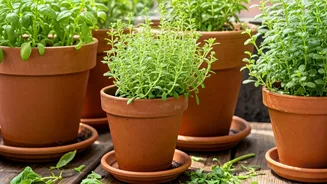
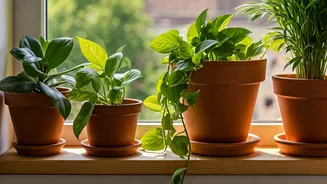
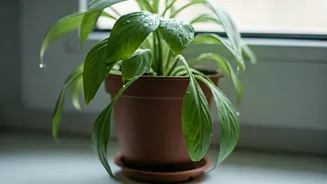
Your one big job this week isn’t just moving your plants outside; it’s moving them outside *correctly*. The official term for this is “hardening off,” and it’s the single most important process for ensuring your indoor plants thrive in the great outdoors.
Think of your houseplants as people who’ve been indoors all winter. If you suddenly spent eight hours at the beach on the first sunny day, you’d get a serious sunburn. Your plants are no different. After months in the stable, climate-controlled, and filtered-light environment of your home, a sudden blast of direct sun, wind, and temperature fluctuations can send them into shock. This can lead to scorched leaves, dehydration, wind damage, and even death. Hardening off is the gradual process of introducing them to these new conditions, allowing them to toughen up their leaves and adapt their systems without getting overwhelmed.
Why This Week Is The Golden Window
Timing is everything. Move them out too early, and a late frost could kill them overnight. Wait too long, and you miss the gentle transition period of late spring, forcing them to adapt during the intense heat of mid-summer. The perfect window is right now, after the last frost date in your area has definitively passed. The key indicator is nighttime temperatures. You need to wait until the nights are consistently staying above 55°F (13°C). Most tropical houseplants are not equipped to handle chilly nights, which can stunt their growth or damage their roots. This late-spring, early-summer period offers the ideal balance: the sun isn’t at its peak scorching intensity, and the temperature difference between day and night is less extreme. This gives your plants a fighting chance to adjust slowly and safely.
Your Seven-Day Hardening-Off Plan
Patience is your best tool. Don’t rush this process. Find a sheltered spot outside that’s protected from strong wind and direct, harsh sun—think a covered porch, under a large tree, or on the shady side of your house. * **Day 1-2:** Place your plants in this shady, protected spot for just one to two hours. Then, bring them back inside. * **Day 3-4:** Increase their outdoor time to three or four hours, still in the shade. You can start to expose them to a little bit of gentle, dappled morning sun, but avoid the intense afternoon rays. * **Day 5-6:** Leave them out for five to six hours. Gradually introduce them to a bit more direct sunlight, monitoring their leaves closely for any signs of whitening or scorching. If you see damage, pull them back into the shade. * **Day 7 and Beyond:** By now, your plants should be ready for a full day outside. You can begin leaving them in their intended summer spot. For most plants, this means a location that gets bright, indirect light or morning sun, with protection from the harsh afternoon sun. After about two weeks of this routine, they should be tough enough to stay outside overnight, provided temperatures remain mild.
Who Gets a Summer Vacation?
Not every houseplant is a good candidate for a summer outside. The ones that benefit most are typically tropicals and succulents. Plants like hibiscus, birds of paradise, monsteras, and most succulents will thrive with the increased light and humidity. Fiddle leaf figs can enjoy the trip, but they are notoriously fussy about being moved, so proceed with extreme caution. Cacti and other desert dwellers will love the sun, but even they need to be hardened off to prevent scorching. On the other hand, extremely sensitive plants like some calatheas or delicate ferns might be happier staying inside. Their thin leaves can easily burn or be shredded by wind, and they may struggle to readjust when you bring them back in.
Avoid These Common Mistakes
Even with the best intentions, things can go wrong. The most common mistake is impatience—giving them too much sun, too soon. Sun-scorched leaves will not recover. Another pitfall is forgetting to adjust your watering schedule. Plants outside in the heat and wind will dry out much faster than they do indoors. Check the soil daily. Finally, remember that your plants are now sharing space with outdoor critters. Before you bring them back inside in the fall, you must thoroughly inspect them for pests like spider mites, aphids, and mealybugs. A good spray-down and preventative treatment can save you from a full-blown infestation in your home later.