




So, What Changed?
Let’s be honest: the idea of eating local isn’t new. Our grandparents did it out of necessity. But for decades, the American supermarket has been a temple of seasonless convenience, offering strawberries in December and asparagus in October. So why the sudden
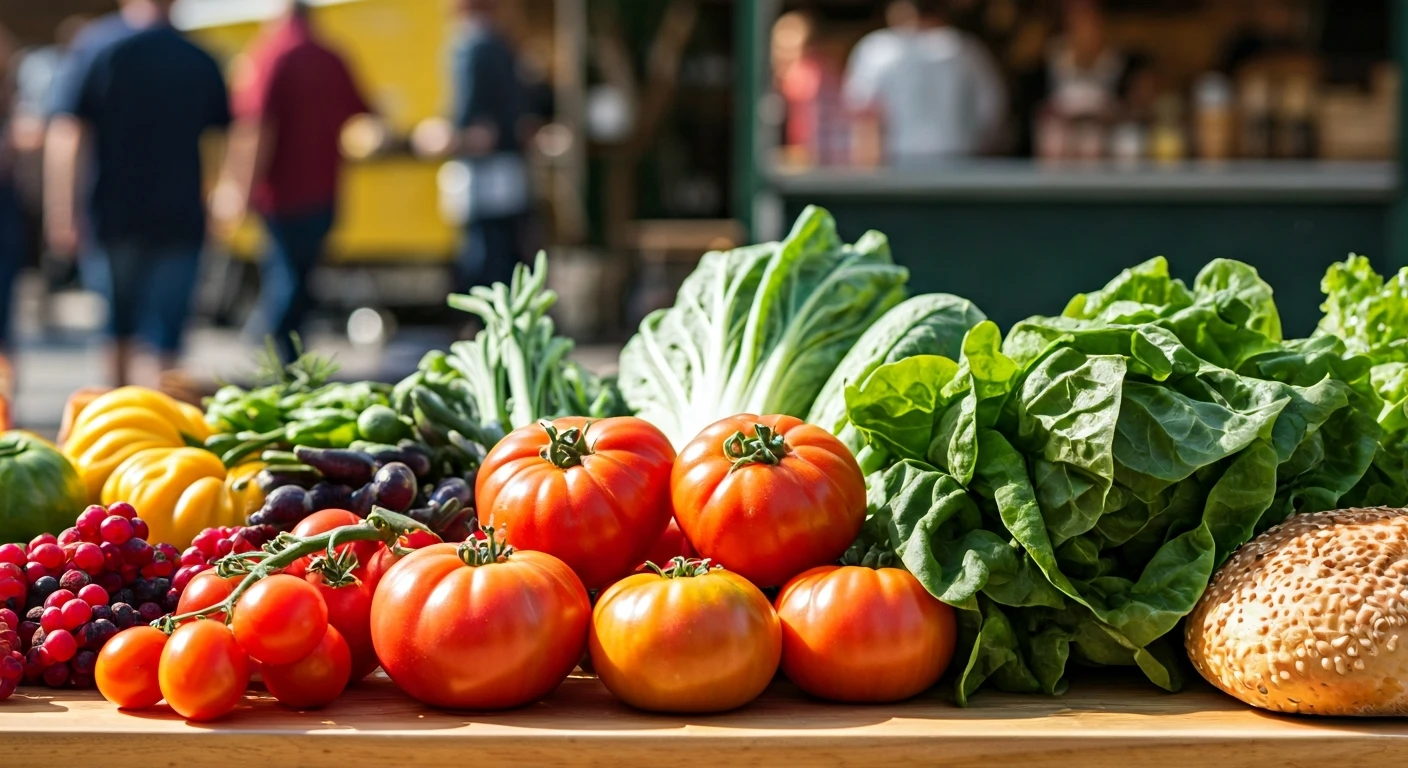
resurgence? A few key factors are at play. The pandemic was a major catalyst, exposing the fragility of our long, complex supply chains. When grocery store shelves went bare, local farms and their CSA (Community Supported Agriculture) boxes became a reliable, reassuring alternative. Beyond logistics, there's a growing desire for connection. In an increasingly digital world, the simple, tangible act of buying carrots from the person who grew them offers a powerful sense of community. It’s a vote with your dollar for a local economy and a more transparent food system.
It’s All About the Flavor
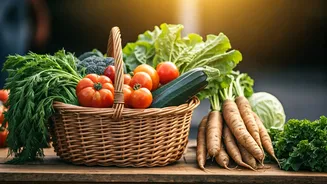
The most compelling argument, however, might be the simplest: local, seasonal food just tastes better. It’s a difference you don’t fully appreciate until you experience it. A tomato picked from the vine yesterday, bursting with sunshine, has a complex, sweet-acidic flavor that its pale, hard, globe-trotting cousin can’t even dream of. This isn't snobbery; it’s science. Produce grown for long-distance shipping is often harvested before it's fully ripe and bred for durability, not taste. Local produce, on the other hand, is picked at its absolute peak. It hasn't spent a week in a refrigerated truck losing nutrients and flavor. This is the essence of ‘terroir’—the idea that food has a unique taste based on the specific soil, climate, and environment where it was grown. Eating locally allows you to taste the unique flavor of your own region.
Dispelling the Cost Myth
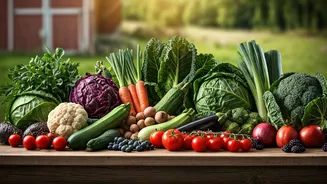
A common hesitation is the perceived cost. “Isn’t it all expensive artisanal kale?” Not necessarily. While some items at a farmers’ market can be pricier than their supermarket counterparts, a strategic approach can be surprisingly budget-friendly. When you eat seasonally, you’re buying produce at its peak abundance, which often means lower prices. A glut of zucchini in August or apples in October can lead to fantastic deals, especially if you buy in bulk for canning, freezing, or preserving. Furthermore, buying directly from a farmer cuts out the middlemen—the packers, shippers, distributors, and retailers—all of whom take a cut. While you might pay a bit more for a perfect heirloom tomato, you’re also investing directly in a local farmer’s livelihood and strengthening your community’s economic resilience.
Three Easy Ways to Get Started
Dipping your toes into the local food scene is easier than you think. You don’t need to overhaul your entire life overnight. 1. **Visit a Farmers' Market:** Start by just walking through. Talk to the vendors and ask what’s good. A pro tip: go near the end of the day when some farmers may offer deals to avoid hauling produce back to the farm. 2. **Look into a CSA:** A Community Supported Agriculture program is like a subscription box for vegetables. You pay a farm upfront for a “share” of the upcoming harvest and receive a weekly box of whatever is in season. It’s a fantastic way to discover new vegetables and force yourself to cook with the seasons. 3. **Start at Your Grocery Store:** The lowest-effort entry point is to simply pay attention to what’s in season at your regular supermarket. Look for signs indicating local sourcing. Choosing North Carolina sweet potatoes in the fall or California citrus in the winter is still a step toward eating more seasonally, reducing “food miles” and enjoying produce when it's at its best.