


1. Know the Telltale Signs of Overwatering
Root rot from waterlogging is sneaky. At first, an overwatered plant can look like an underwatered one, with wilting, droopy leaves. But a few key differences will tell you the real story. Look for yellowing leaves (a condition called chlorosis) that
feel soft and limp, not dry and crispy. You might also notice stunted growth, with new leaves appearing small or failing to unfurl properly. If the plant is in a pot, a musty, sour smell emanating from the soil is a dead giveaway that the roots are suffocating and beginning to rot. Don't just look at the leaves; the soil itself holds clues. If it’s constantly soggy, pulling away from the sides of the pot, or growing mold or fungus on the surface, you have a drainage problem.
2. Choose a Pot with Proper Drainage
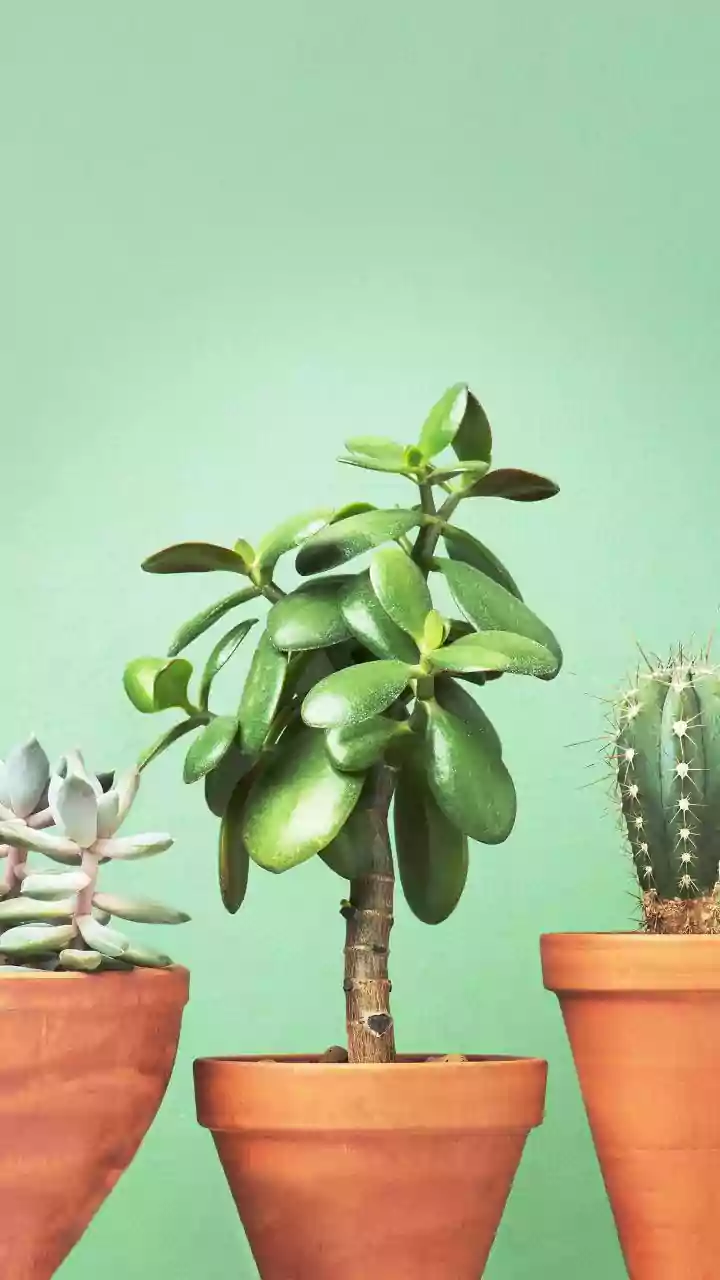
The foundation of preventing waterlogged roots is the container itself. For gardeners in the U.S., where climates can vary from the humid Southeast to the arid Southwest, container choice is critical. Always, without exception, use pots with drainage holes. If you fall in love with a decorative pot that lacks them, you have two options: either drill holes yourself or use it as a 'cachepot' by placing a smaller plastic nursery pot with drainage inside it. After watering, be sure to empty any excess water that collects in the cachepot's saucer. Terracotta pots are an excellent choice for plants prone to root rot (like many herbs) because the porous clay helps wick excess moisture from the soil, allowing it to dry out more evenly.
3. Create a Well-Draining Soil Mix
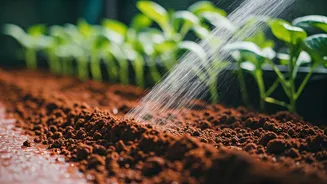
Standard potting soil straight from the bag can be too dense, retaining more water than many plants prefer. This is especially true for plants native to warmer, drier climates. To create an ideal environment for your roots, you need to improve aeration and drainage. A fantastic, all-purpose mix can be made by combining one part standard potting soil, one part perlite or pumice (for aeration), and one part orchid bark or coco coir (for structure and moisture retention without sogginess). This chunky, airy mix allows water to flow through freely while holding just enough for the plant to drink, mimicking the natural, loamy soil conditions many plants thrive in.
4. Master the 'Finger Test' for Watering
Forget watering on a rigid schedule like 'every Tuesday.' A plant's water needs change based on temperature, humidity, light, and its growth cycle. The most reliable method is the finger test. Before you even pick up the watering can, stick your index finger about two inches into the soil. If the soil feels damp and particles stick to your finger, the plant doesn't need water yet. If it feels dry to the touch, it's time to water. When you do water, do it thoroughly until you see water running out of the drainage holes. This ensures the entire root ball gets hydrated and also helps flush out any mineral buildup in the soil.
5. Perform an Emergency Root Rescue
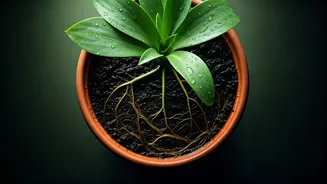
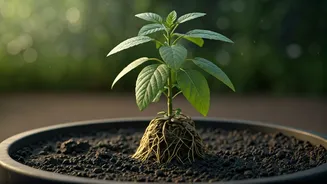
If you suspect a severe case of root rot, you need to act fast. Gently remove the plant from its pot and inspect the roots. Healthy roots are typically firm and white or light-colored. Rotted roots will be brown or black, mushy, and may even fall apart in your hands. Using a pair of clean, sharp scissors, carefully trim away all the soft, rotted sections. Be ruthless; leaving any rot behind will allow it to spread. Once you’re left with only healthy root tissue, gently repot the plant in a clean pot with fresh, well-draining soil mix. Water it lightly and place it in a spot with bright, indirect light to recover. Avoid fertilizing for at least a month to prevent stressing the recovering roots.
6. Tailor Care for Key Indian Garden Plants
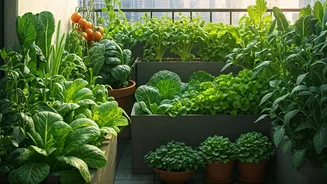
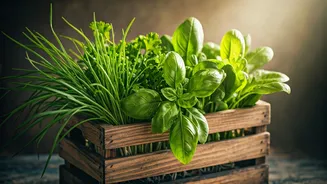
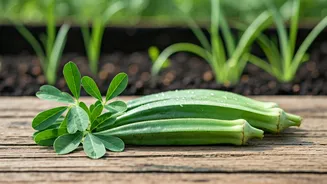
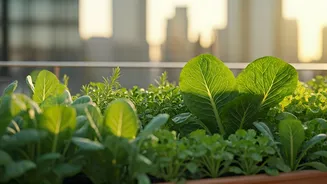
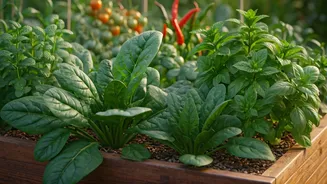
Many plants cherished in Indian cuisine and culture have specific needs. Holy Basil (Tulsi) despises 'wet feet' and must be allowed to dry out between waterings; it thrives in the airy soil mix described above. Curry Leaf Plants (Kadi Patta) are similarly sensitive and require excellent drainage, especially during winter dormancy in cooler U.S. climates when their water needs decrease significantly. For vegetable plants like eggplant (brinjal), okra (bhindi), and chilies, consistent moisture is important for fruiting, but soggy soil will invite disease. Raised beds are a fantastic solution for in-ground gardening in areas with heavy clay soil, as they guarantee superior drainage for your vegetable patch.