
An Antidote to the Tourist Trap
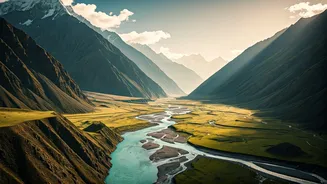
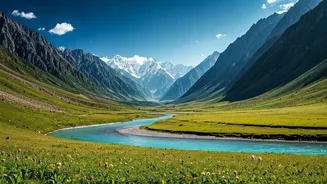
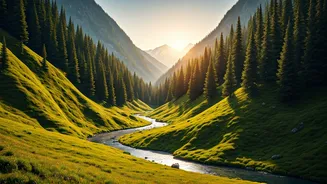
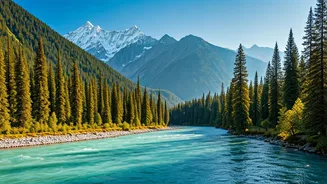
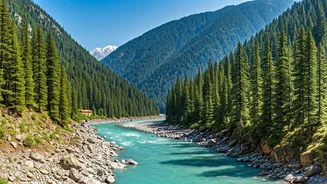
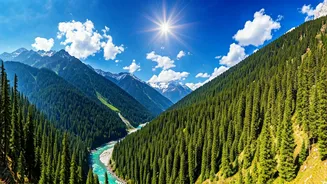
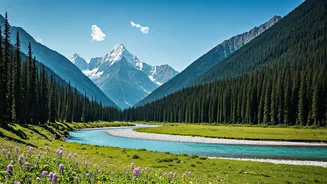
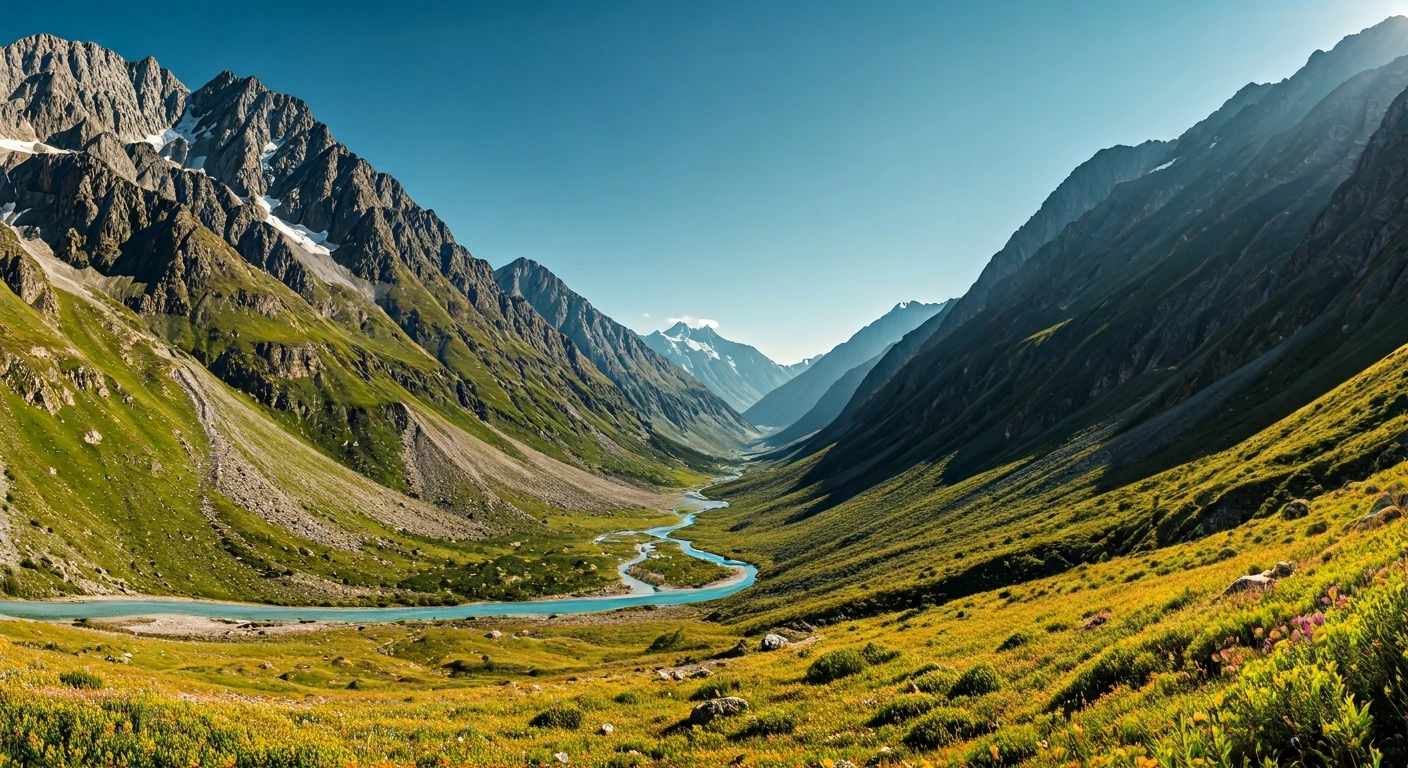
Nestled in the Kullu district of Himachal Pradesh, India, Tirthan Valley is less a single destination and more a sprawling, pristine ecosystem centered around the Tirthan River. Unlike its more famous (and crowded) neighbors like Manali, Tirthan has managed
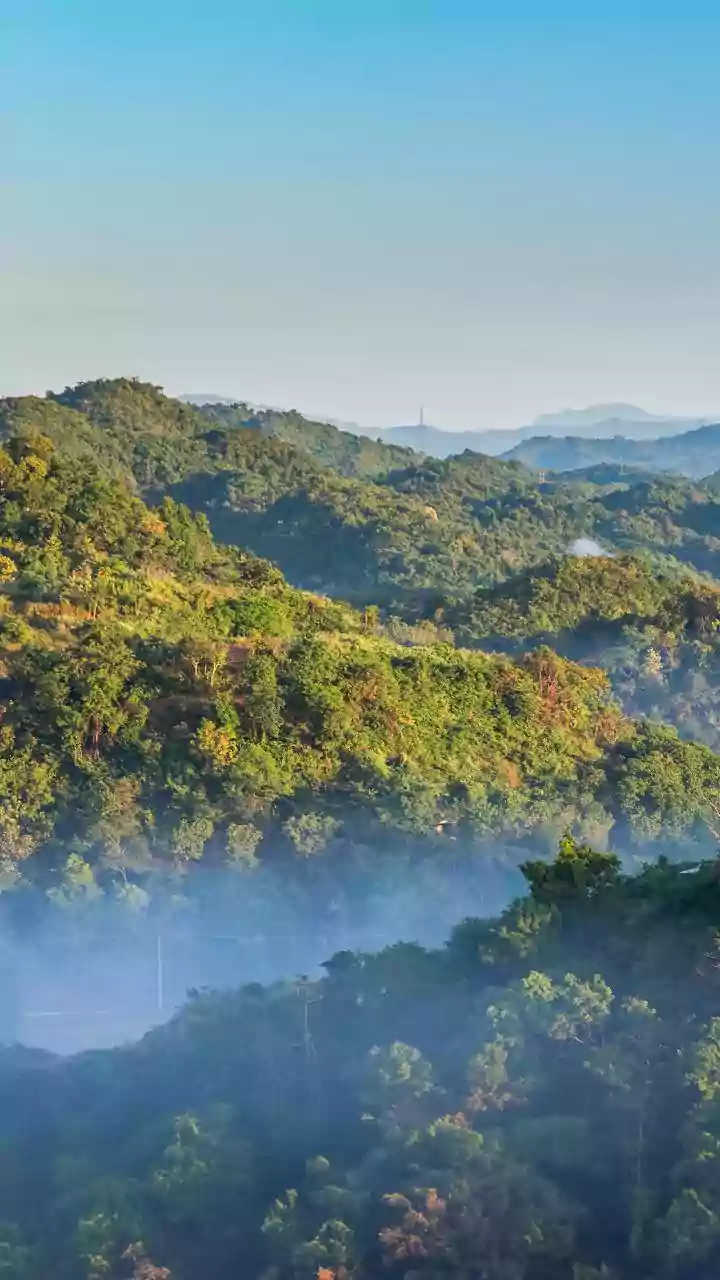
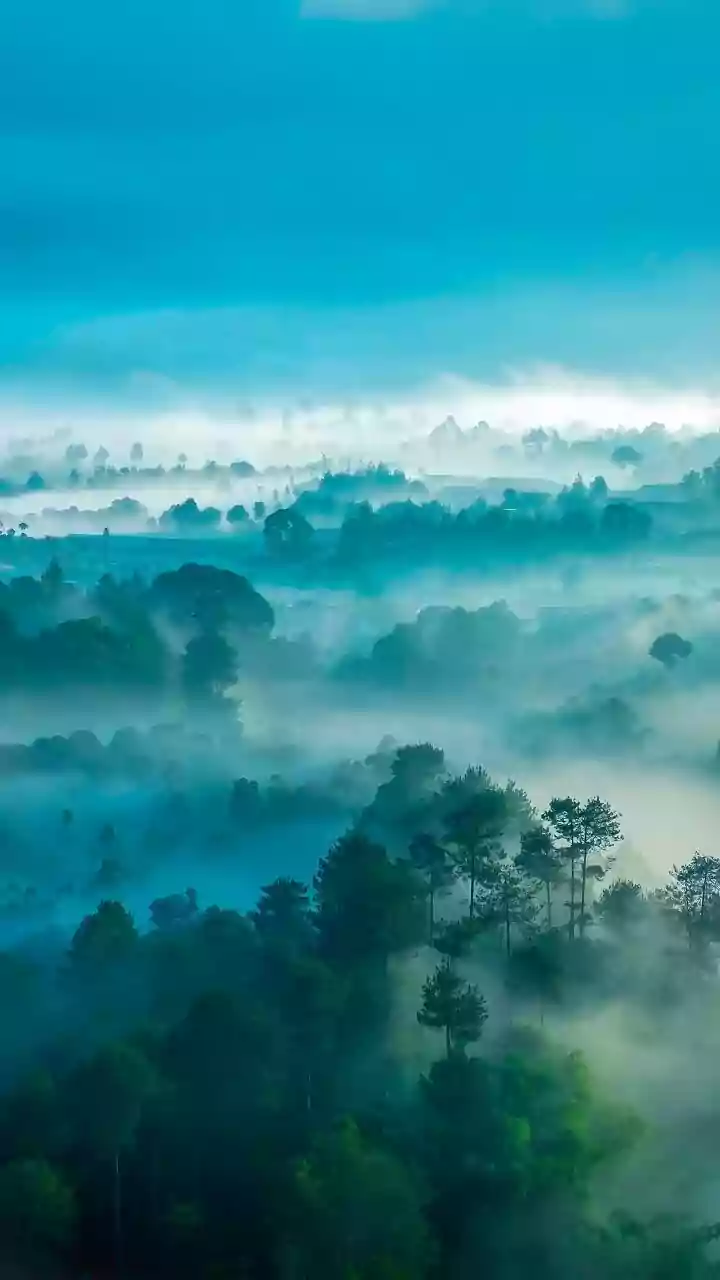
to preserve a sense of raw, untouched beauty. This isn't a place for sprawling resorts or bustling market streets. Instead, it offers something far more valuable: a chance to disconnect from the noise and reconnect with a simpler, quieter rhythm of life. The 'breath' in the headline is literal—the air is crisp and clean—but also metaphorical. It’s a place that gives you room to think, wander, and simply be, making it the perfect antidote to the burnout of modern life.
Gateway to a UNESCO World Heritage Site
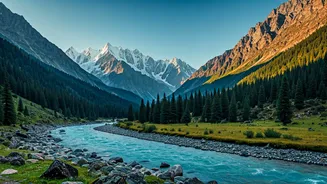
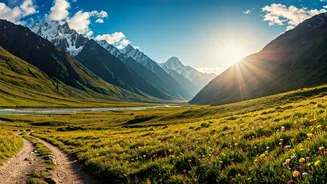
The valley’s crown jewel is its role as the gateway to the Great Himalayan National Park (GHNP), a UNESCO World Heritage Site. This designation isn't just a title; it's a promise of pristine wilderness. The park is a sanctuary for a vast array of flora and fauna, including the elusive snow leopard and the Western tragopan. For visitors, this means access to some of the most stunning and well-preserved trekking routes in the Himalayas. You don't have to be a seasoned mountaineer to enjoy it. There are trails for every skill level, from gentle riverside walks that take a few hours to multi-day treks that lead to remote alpine meadows and glacial lakes. Local guides are readily available and highly recommended, not just for safety but for their deep knowledge of the local ecology and folklore.
The Simple Pleasures: What to Do
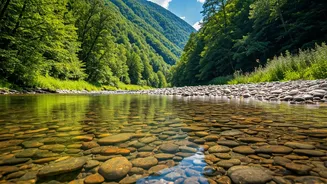
Life in Tirthan Valley revolves around the outdoors. The most popular activity is simply exploring. Hike to hidden waterfalls, with the trail to Choi Waterfall being a popular and rewarding choice. The Tirthan River is famous for its trout, and angling is a meditative way to spend an afternoon (permits are required and available locally). For a dose of culture, wander through traditional Himachali villages like Gushaini, Nagini, and the increasingly popular Jibhi, known for its charming wooden architecture. These aren't manufactured tourist towns; they are living communities where you can observe a traditional way of life that has remained largely unchanged for generations. It’s an experience that feels authentic because it is.
Stay Like a Local, Eat Like a King
One of the most unique aspects of visiting Tirthan Valley is the accommodation. The region is a pioneer in the homestay concept. Forget anonymous hotel chains; here, you can stay with a local family in their traditional wooden home. These homestays offer a warm, intimate glimpse into Himachali culture. You'll share simple but delicious home-cooked meals—think fresh vegetables from the garden, local red rice, and river trout—and hear stories about the valley from the people who know it best. This model of tourism not only provides a richer experience for the traveler but also ensures that the economic benefits go directly to the local community, helping to preserve the very culture and environment that make the valley so special.
Planning Your Himalayan Escape
Getting to Tirthan Valley requires a bit of effort, which is part of what keeps it pristine. The nearest airport is Bhuntar Airport (KUU) in Kullu, about an hour and a half drive away. Alternatively, many travelers take an overnight bus from Delhi or Chandigarh to Aut, the main entry point, and then hire a local taxi for the final leg of the journey into the valley. The best time to visit is during the summer months, from March to June, when the weather is pleasant and the landscape is lush and green. The monsoon season (July-August) can bring heavy rains and potential landslides, while the winter (December-February) sees heavy snowfall, transforming the valley into a quiet, white wonderland for the more adventurous.