





1. Gently Squeeze, Don't Vigorously Rub
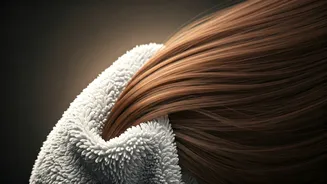
The first instinct after turning off the shower is often to grab a fluffy towel and vigorously rub your hair dry. Resist this urge. When hair is wet, it's at its most fragile and elastic. The friction from a rough towel rub lifts the hair's outer layer,
the cuticle, leading to frizz, breakage, and a dull appearance. Instead, gently squeeze excess water out with your hands. Then, use a soft towel—a microfiber one is ideal—to blot or pat your hair. This simple switch dramatically reduces mechanical damage over time, preserving your hair’s integrity before you even think about products.
2. Condition with Purpose and Precision
Conditioner isn't just a shampoo chaser; it's a restorative treatment. While shampoo opens the hair cuticle to cleanse it, conditioner's job is to seal it back down, locking in moisture and creating a smooth, shiny surface. But application matters. Your scalp produces its own natural oils, so applying conditioner at the roots can weigh hair down and lead to greasiness. Focus your application from the mid-lengths to the ends, which are the oldest and most damage-prone parts of your hair. Let it sit for a few minutes to allow the ingredients to penetrate before rinsing. Think of it as targeted repair where your hair needs it most.
3. Detangle from the Bottom Up
Raking a brush from root to tip through a wet tangle of hair is a recipe for snapping and split ends. The right technique can save you a world of damage. Start with a wide-tooth comb or a brush designed for wet hair. Begin combing at the very ends, gently working out any knots. Once the ends are clear, move a few inches up the hair shaft and repeat the process. Continue working your way up toward the roots until the comb glides through smoothly. This bottom-up method prevents you from pushing small tangles into one large, unbreakable knot at the bottom, ensuring less stress and breakage on the hair shaft.
4. Apply Products to Damp, Not Soaking, Hair
Timing is everything when it comes to applying leave-in conditioners, serums, or styling mousses. If you apply them to sopping wet hair, the excess water dilutes the product and can cause it to slide right off without being properly absorbed. On the other hand, waiting until your hair is too dry means the cuticle has already sealed down, making it harder for products to penetrate effectively. The sweet spot is damp, towel-blotted hair. At this stage, your hair is receptive enough to absorb the benefits of your chosen product, allowing for better performance, whether you're seeking moisture, volume, or hold.
5. Make Heat Protectant Non-Negotiable
If a blow dryer, flat iron, or curling wand is part of your routine, a heat protectant is not an optional extra—it's an essential piece of armor. These products work by creating a protective barrier between your hair and the intense heat of styling tools. They help to slow down heat conduction and distribute heat more evenly, reducing the risk of a “flash drying” effect that boils the water inside your hair strands and causes irreversible damage. Applying a heat protectant to damp hair before blow-drying and again to dry hair before using an iron is one of the single most effective ways to prevent thermal damage, split ends, and color fading.