






More Than a Perfect Photo
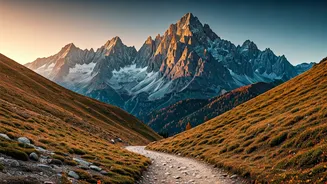
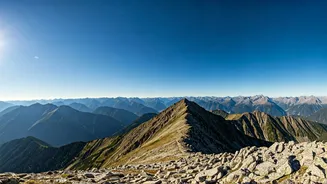
We all know the immediate, obvious reward of a clear day on the trail: the view. The distant peaks are sharp, the valleys are drenched in light, and every photo looks like it belongs in a travel magazine. It’s the visual payoff we daydream about when
planning the trip. But the profound sense of satisfaction that washes over you at a sun-drenched summit runs much deeper than a good Instagram post. That feeling of pure, unadulterated rightness isn’t just an appreciation of aesthetics. It’s a complex cocktail of psychology, biology, and the primal relief of seeing your path laid out before you. The worthiness of the trek isn't just in what you see, but in how your brain and body respond to seeing it under a brilliant, benevolent sky.
The Science of a Sun-Soaked Mood
Your brain on a sunny day is a very different machine than your brain under a blanket of gray. Exposure to bright, natural light triggers the production of serotonin, a neurotransmitter that acts as a powerful mood stabilizer. It promotes feelings of calm, focus, and well-being. Think of it as the body’s own built-in anti-anxiety medication. When you’re physically exerting yourself on a trek, you’re already getting an endorphin rush. Add a dose of sunlight-induced serotonin, and you have a potent recipe for euphoria. This isn't just a feeling; it's a measurable chemical event. Furthermore, sunlight helps your body produce Vitamin D, which is crucial for everything from bone health to immune function. When you feel that warmth on your skin at 8,000 feet, your body isn't just enjoying the heat; it's actively synthesizing a vital nutrient, contributing to an overall sense of vitality and strength.
A Primal Sense of Security
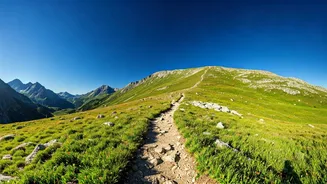
Our modern anxieties on the trail are practical: Did I pack enough water? Is that a blister forming? Will my phone battery last? But beneath these worries lies a more ancient set of concerns, hardwired into our DNA from millennia of navigating the wilderness. A clear sky is the ultimate all-clear signal. It means no sudden, disorienting fog rolling in. No unexpected downpour to soak your gear and create slick, dangerous footing. No lightning storms forcing you to take shelter. Clear weather allows for maximum visibility, making navigation easier and reducing the primal fear of getting lost. This profound sense of safety quiets the background noise of your subconscious survival brain. It frees up mental and emotional energy, allowing you to be fully present in the moment and soak in the beauty around you instead of constantly scanning the horizon for threats. It’s a feeling of cosmic permission to relax and enjoy the journey.
The Uninterrupted Horizon
Staring into a vast, unbroken expanse of blue has a unique psychological effect. Researchers and writers sometimes refer to this as a “blue mind” state—a mildly meditative condition of calm and gentle fascination brought on by exposure to wide-open natural spaces, particularly water and sky. A boundless sky feels like boundless possibility. It can make your own problems, which felt so large at the trailhead, seem manageable and small in comparison. This forced perspective shift is one of the most valuable, and often unconscious, rewards of a high-altitude trek. Standing on a summit under an endless canopy of blue doesn’t just give you a better view of the landscape; it gives you a better view of your own life. The physical act of climbing is finite, but the feeling of standing under that open sky feels infinite, offering a moment of clarity and mental spaciousness that’s difficult to find anywhere else.