




The Anti-Hill Station
For every traveler who loves the vibrant chaos of a popular mountain destination, there's another who dreams of its opposite. Landour, a small cantonment town established by the British in the 1820s, is that dream made real. Sitting at an altitude of around
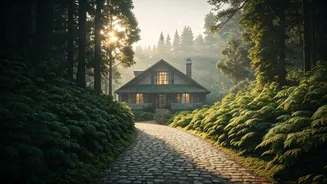
7,500 feet in the Indian Himalayas, it exists in the shadow of its much larger, more famous neighbor, Mussoorie. While Mussoorie buzzes with packed markets, tourist traffic, and endless activity, Landour remains deliberately, beautifully still. There are no malls here. No major commercial hubs or loud tourist attractions. The town is primarily residential, a protected zone where new construction is heavily restricted. This has preserved its character as a 19th-century time capsule, a place of cobbled paths, Gothic churches, and ivy-covered stone walls that feels worlds away from the modern hustle just a few miles down the road.
A Walker's Paradise
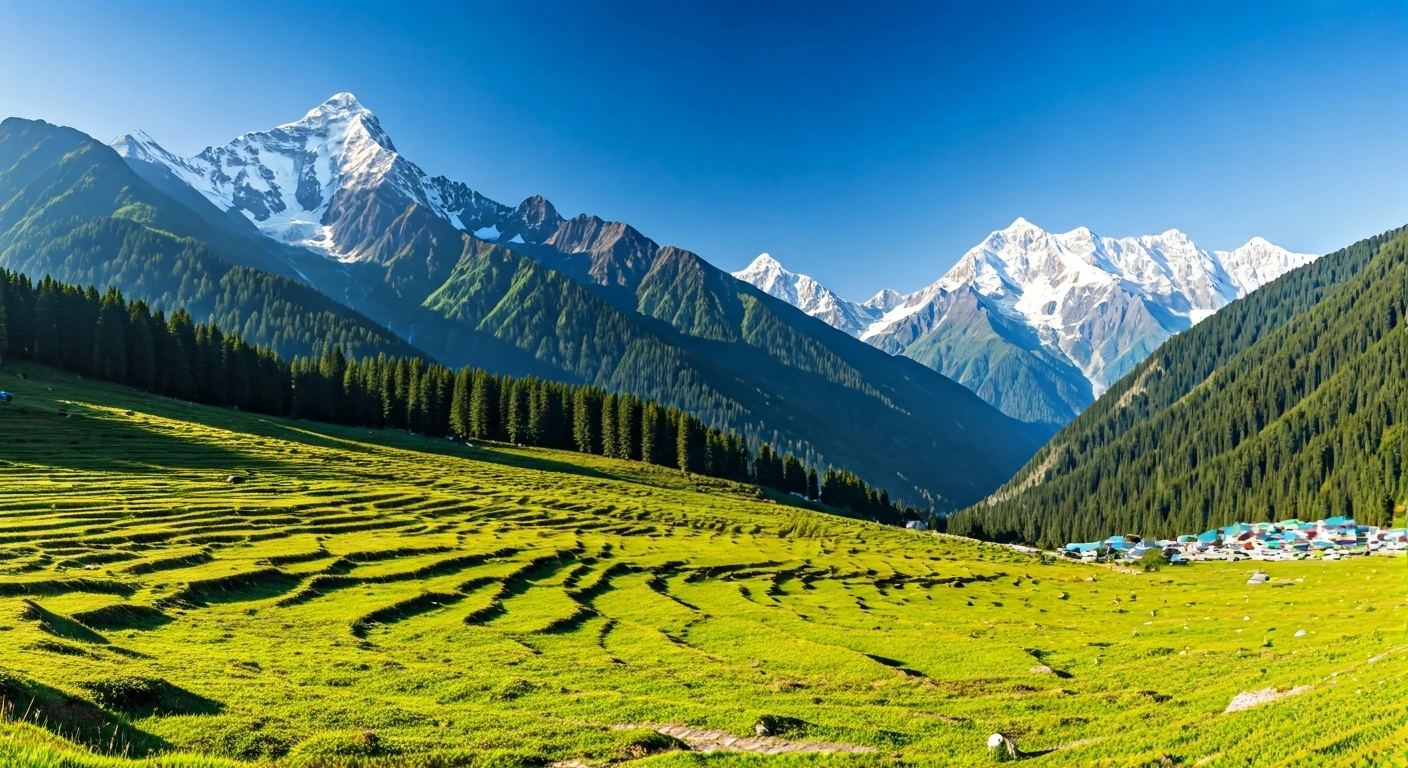
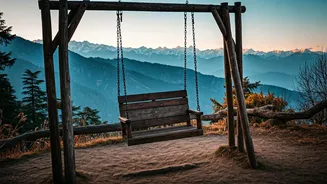
The main activity in Landour is, simply, walking. The town is built around a looped road known as the 'Chukkar.' A slow, three-kilometer stroll along this path is the quintessential Landour experience. The Upper Chukkar is a serene journey offering breathtaking, panoramic views of the snow-capped Himalayan peaks on one side and the sprawling Doon Valley on the other. You'll pass historic homes with names like 'Graywood' and 'The Nest,' their faded signs and red tin roofs peeking through thick forests of pine, oak, and rhododendron. There are no tour buses here, only the occasional car belonging to a resident. You’ll share the path with local schoolchildren, a few fellow wanderers, and perhaps a troop of langur monkeys. The air is crisp, the silence is profound, and the simple act of putting one foot in front of the other becomes a form of meditation.
Cozy Cafes and a Literary Legacy
Landour's quiet atmosphere has long attracted writers and artists, most famously the beloved Indian author Ruskin Bond, who has called this area home for decades. His presence has infused the town with a subtle literary magic. The heart of this social and literary life can be found at Char Dukan, which literally translates to 'four shops.' This small cluster of old-world cafes has been serving tea, coffee, and famously good pancakes for generations. It’s the perfect spot to rest after a walk, sip a ginger-lemon-honey tea, and watch the mist roll in. Just down the road is the iconic Landour Bakehouse. With its vintage decor, wooden interiors, and display cases filled with fresh bread, sticky-jaw buns, and crepes, it feels like a direct import from a European village. It's a place to settle in with a book and a coffee, embodying the slow, deliberate pace of the entire town.
How to Experience Landour Right
To truly appreciate Landour, one must embrace its philosophy of slowness. This isn't a destination for ticking off a checklist. The best way to experience it is to stay in one of the heritage properties or cozy homestays, rather than a large hotel. Plan your trip for the shoulder seasons—spring (March-April) or autumn (September-November)—to avoid the heavy monsoon rains and enjoy the clearest mountain views. Your itinerary should be simple: walk, read, eat, and repeat. Visit St. Paul's Church, an Anglican church built in 1840 where the parents of Rudyard Kipling were married. Browse the small, quirky Prakash Store for their famous homemade peanut butter and jams. Most importantly, leave the frantic energy of a typical vacation behind. Landour’s gift is its tranquility, and it rewards travelers who are willing to listen to the quiet.