

The Shift from Style to Substance
So, what changed? Why are we suddenly talking about BTUs in the same breath as Bauhaus? A perfect storm of factors is responsible. First, rising energy costs have made everyone acutely aware of how much it costs to heat, cool, and light their homes. A beautiful
living room feels less luxurious when you’re dreading the utility bill it generates. Second, a greater collective consciousness around climate change has reframed efficiency as a moral and practical imperative, not just a matter of frugality. The home is no longer just a backdrop for our lives; it’s an active participant in our environmental footprint. Finally, the post-pandemic era cemented our homes as sanctuaries. We spent more time in them than ever, noticing every draft, every poorly lit corner, and every inefficient appliance. The focus shifted from how a home looks to a stranger to how it *feels* and *functions* for the people living inside it.
The New Home Status Symbols
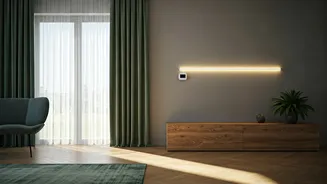
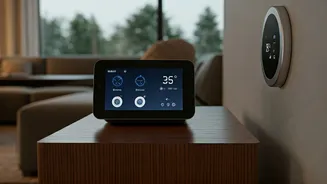
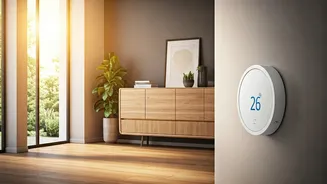
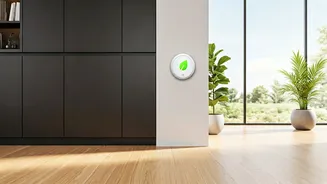
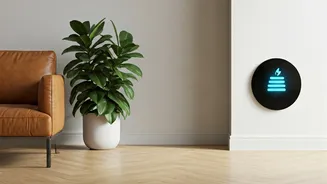
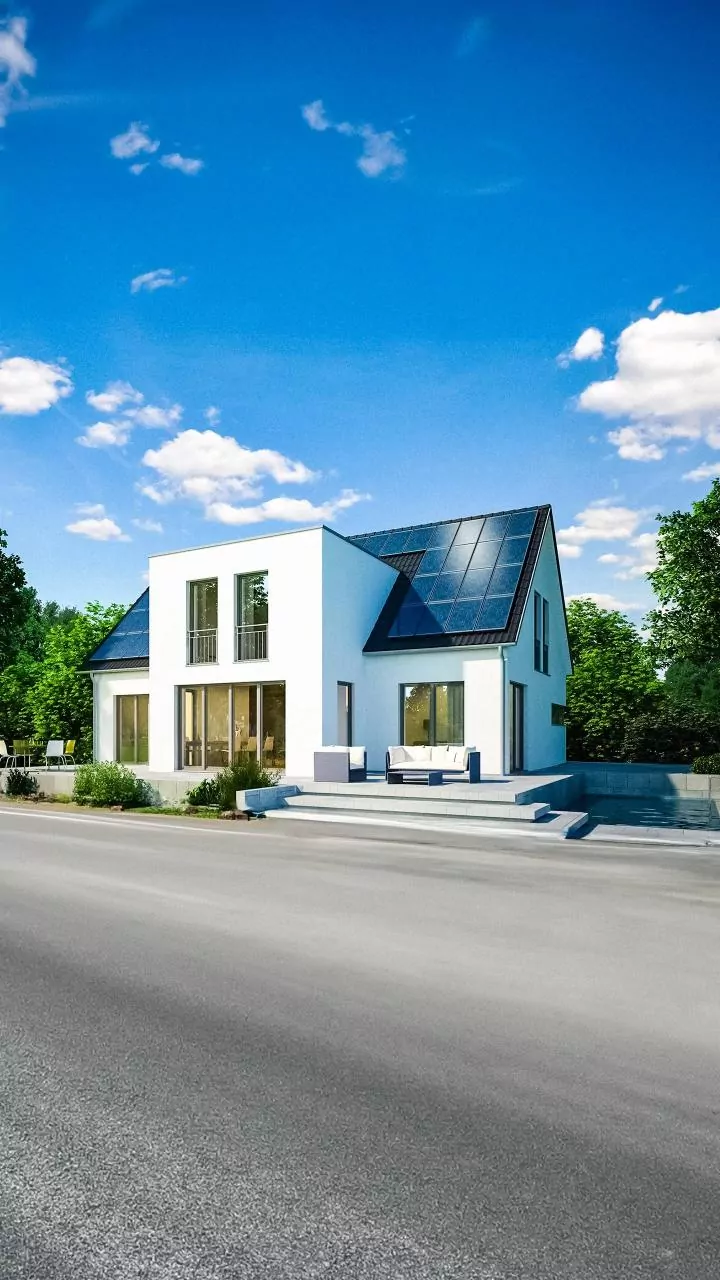
This shift has created a new class of aspirational home goods that blend high performance with high design. The clunky, beige thermostat of yesterday has been replaced by sleek, minimalist smart thermostats like the Nest or Ecobee, which function as much as wall art as they do climate control. Induction cooktops, once a niche item for pro chefs, are gaining popularity for their speed, safety, and energy efficiency, all housed in a clean, glassy surface that modernizes any kitchen. Even windows have become a focal point. Instead of being hidden behind heavy drapes, high-performance, triple-pane windows are being celebrated for their soundproofing and thermal insulation, with manufacturers offering thin, elegant frames that maximize views and light. The ultimate new status symbol? A beautifully integrated solar panel system. No longer just clunky boxes on a roof, new solar shingles and architectural panels are designed to be a seamless, even stylish, part of a home’s exterior.
When 'Efficient' Became Chic
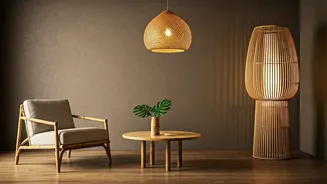
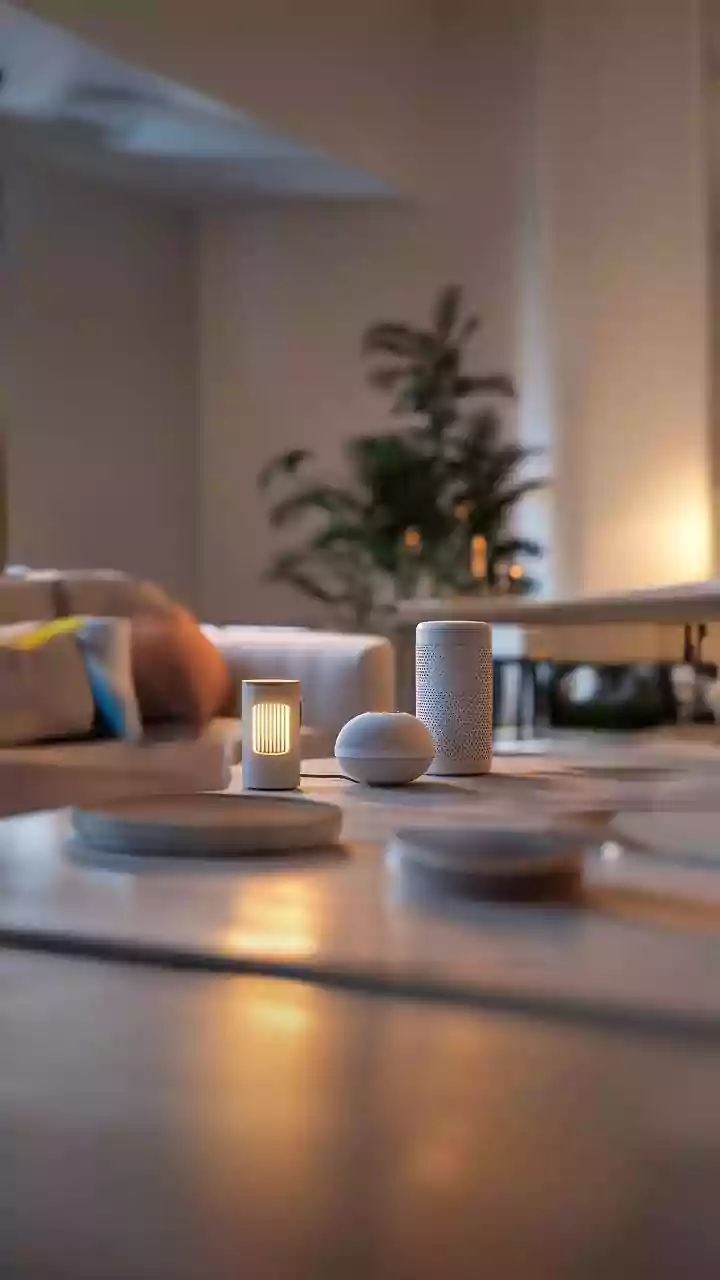
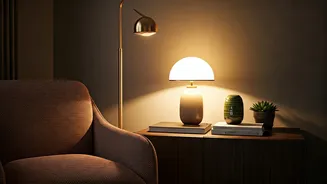
For this trend to take hold, a crucial aesthetic leap had to happen: “efficient” had to become synonymous with “good design.” For years, energy-saving products were unapologetically ugly—think of the first generation of corkscrew CFL bulbs that cast a sickly, greenish light. They were things to be hidden. Today, manufacturers have realized that consumers won't compromise on aesthetics. Designer LED lighting now comes in every imaginable shape and warmth, from vintage-style Edison bulbs to minimalist architectural fixtures. Brands are competing not just on lumens-per-watt but on style. This reflects a deeper change in our definition of luxury. True luxury isn’t just about expensive materials; it's about intelligence, comfort, and seamless functionality. A home that anticipates your needs, keeps you comfortable without waste, and operates quietly and efficiently is the new design ideal. The performance *is* the luxury.
Getting Started Without a Renovation
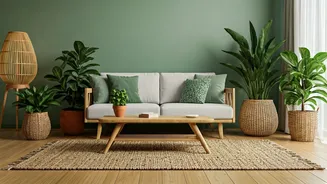
While heat pumps and new windows represent significant investments, this trend isn’t just for those with deep pockets and a contractor on speed dial. The ethos of blending style and efficiency can be applied on any scale. It can be as simple as swapping out old power strips for a smart one that prevents “vampire drain” from your electronics. It can mean investing in a set of high-quality, thermally insulated curtains that look elegant while keeping drafts at bay during the winter. Or choosing a ceiling fan that’s not only a statement piece but is also Energy Star-rated to help circulate air and reduce A/C usage in the summer. Even a stylish, well-made wool rug adds a layer of insulation to a cold floor. The key is to start thinking of your decor choices not just in terms of color and texture, but also in terms of performance and comfort.