





More Than Just Muscle Fuel
The foundation of protein’s current reign is built on solid science. At its core, protein is essential for repairing cells and building muscle tissue, which is why it has long been the cornerstone of athletic diets. But its benefits for the average person
are what propelled it into the mainstream. The key is satiety. Protein is more filling than carbohydrates and fats, meaning a protein-rich meal can help you feel fuller for longer. This effect helps curb snacking and can support weight management goals without the restrictive feeling of traditional dieting. Furthermore, protein has a higher thermic effect of food (TEF) than other macronutrients, meaning your body burns more calories just to digest it. For anyone looking for an edge in their health journey, these benefits are hard to ignore. It’s a simple, biological lever that feels empowering to pull.
From Bodybuilders to Brunch Plates
For decades, high-protein diets were the domain of elite athletes and bodybuilders, associated with gritty gyms and shaker bottles full of chalky powder. The cultural shift began when wellness influencers and food marketers repackaged protein for a broader audience. They transformed it from a tool for bulking up into a key for 'clean eating,' 'toning,' and achieving a lean physique. Suddenly, protein wasn't just in chicken breasts and eggs; it was infused into everything. We now have protein coffee, protein-fortified cookies, high-protein ice cream, and even protein water. This 'protein-ification' of the grocery store aisle has made hitting high protein targets easier and more palatable than ever. It has successfully rebranded the nutrient as a lifestyle choice—a signal that you are conscious, disciplined, and invested in your health.
The #Protein Hype Machine
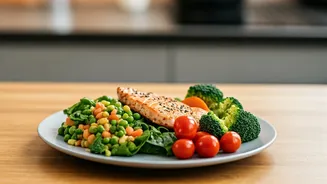
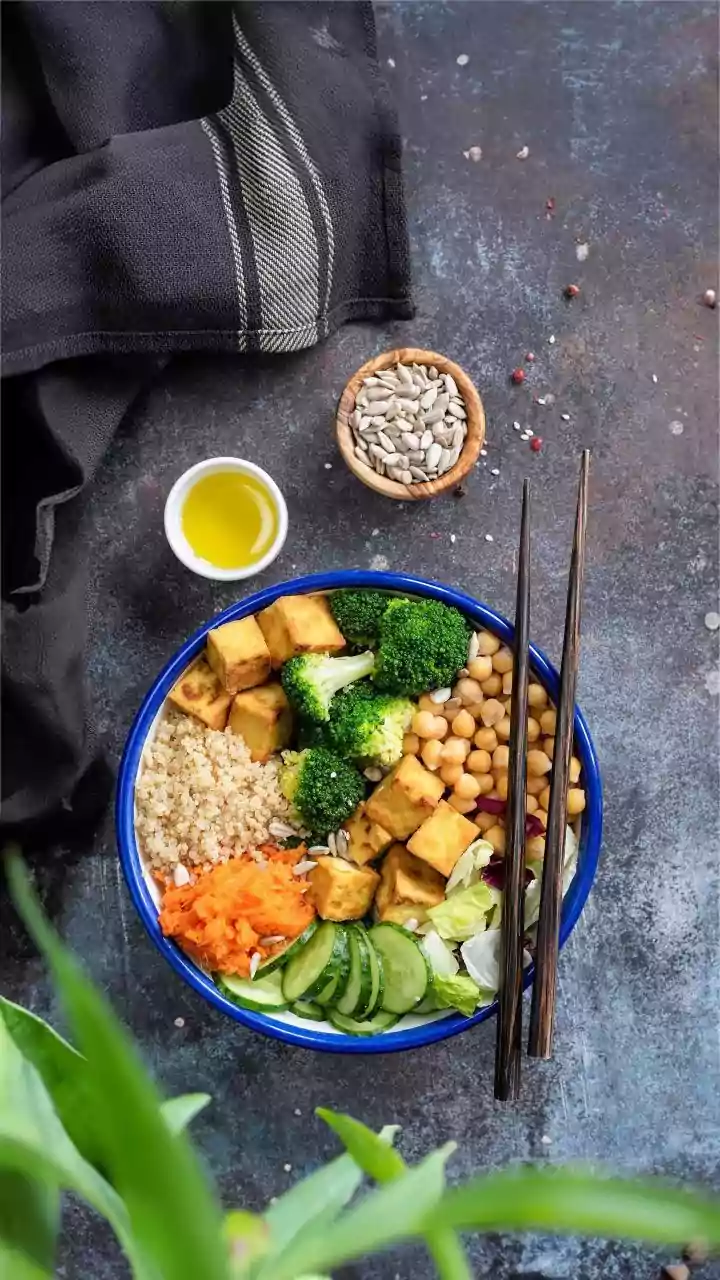
Social media is where the protein trend lives and breathes. On TikTok and Instagram, 'What I Eat in a Day to Get 150g of Protein' videos garner millions of views. These posts often feature aesthetically pleasing meals, turning nutrient tracking into a form of content creation. The hashtag #HighProtein is a universe of artfully arranged cottage cheese bowls topped with fruit, Greek yogurt parfaits layered in glass jars, and perfectly seared salmon fillets. This visual-first culture makes protein consumption aspirational. It’s not just about hitting a macro target; it’s about participating in a shared wellness ritual. The unspoken message is that a protein-packed plate is a sign of self-care and discipline, and influencers who master this aesthetic become trusted guides for their followers, further fueling the cycle of hype and consumption.
How Much Is Actually Enough?
Amidst the online craze, a crucial question gets lost: how much protein do we really need? While influencer goals might hover around 150 grams per day, the official Recommended Dietary Allowance (RDA) for the average sedentary adult is a modest 0.8 grams of protein per kilogram of body weight. For a 150-pound person, that’s about 55 grams a day. While active individuals and those looking to build muscle certainly need more—typically in the range of 1.2 to 1.7 grams per kilogram—many people are consuming far more than necessary. While generally safe for healthy individuals, excessive protein intake can put a strain on the kidneys over the long term and may displace other vital nutrients from fruits, vegetables, and whole grains. The focus on a single nutrient can create dietary imbalances and, in some cases, foster an obsessive relationship with food.