


The Poetry of the Downpour
In the American imagination, a monsoon might conjure images of disruption and chaos. In Kolkata, the capital of West Bengal, it's something more complex: a season of relief, nostalgia, and profound cultural significance. The annual rains, arriving typically
in June, break the oppressive summer heat. The air fills with the smell of wet earth, or *petrichor*, and the city’s rhythm shifts. For decades, this rhythm involved retreating indoors. The culinary tradition of the monsoon was one of home-cooked comfort: steaming plates of *khichuri* (a savory rice and lentil porridge), accompanied by fried hilsa fish or crisp vegetable fritters. It was a time for family, books, and listening to the steady drum of rain on tin roofs—not for venturing out to a restaurant.
A New Culinary Climate
That long-held tradition is being beautifully challenged. A new generation of restaurateurs and chefs in Kolkata are no longer viewing the monsoon as a commercial liability but as an atmospheric asset. The city’s dining scene, which has seen explosive growth in recent years, is embracing the season with architectural and conceptual ingenuity. New cafes and restaurants are designed with the rain in mind. Think sprawling glass facades offering panoramic views of the downpour, covered rooftop lounges that feel both indoors and out, and cozy, art-filled spaces that become intimate sanctuaries from the storm. The idea is no longer to hide from the weather but to dine alongside it, turning the dramatic grey skies and lashing rain into a theatrical part of the experience. This shift represents a fundamental change in how the city socializes, transforming a season of domestic hibernation into one of sophisticated public leisure.
Monsoon on the Menu
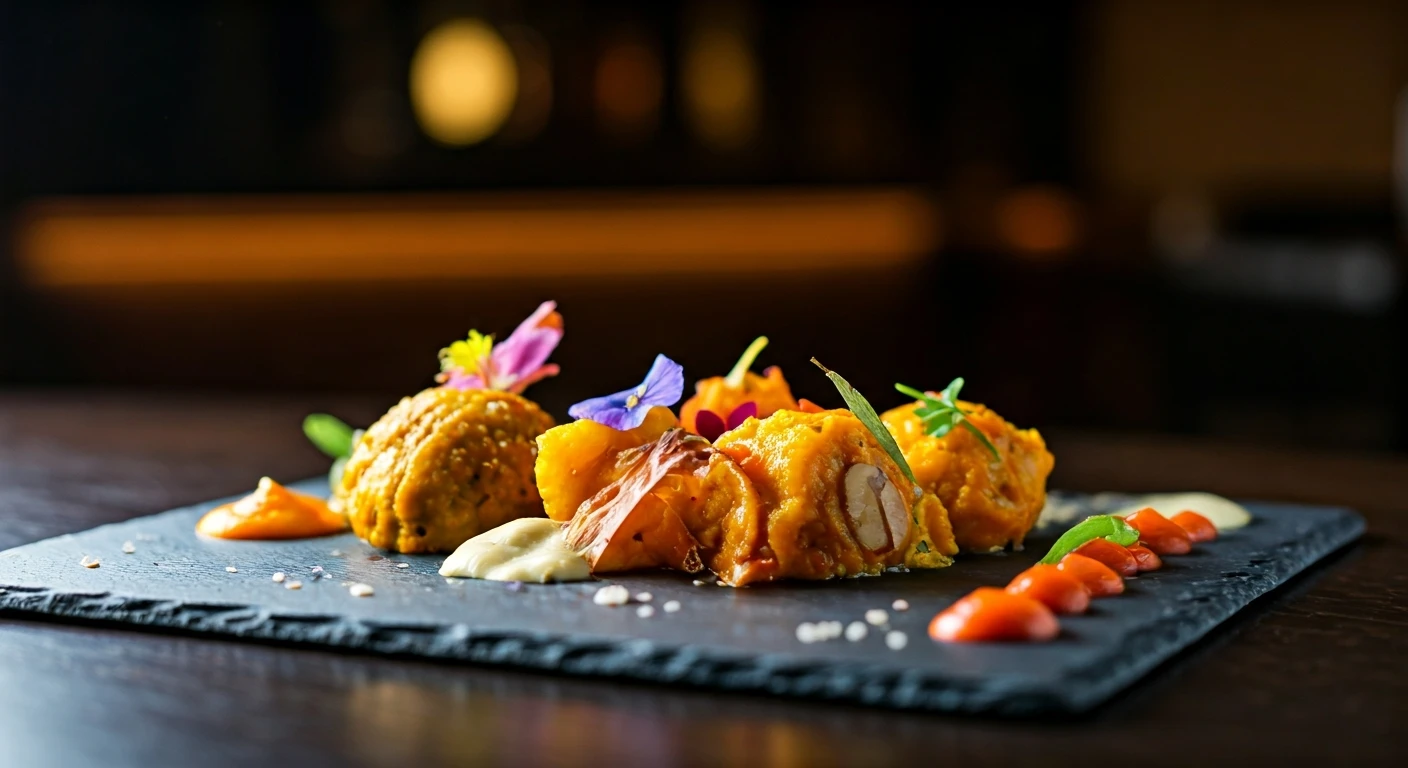
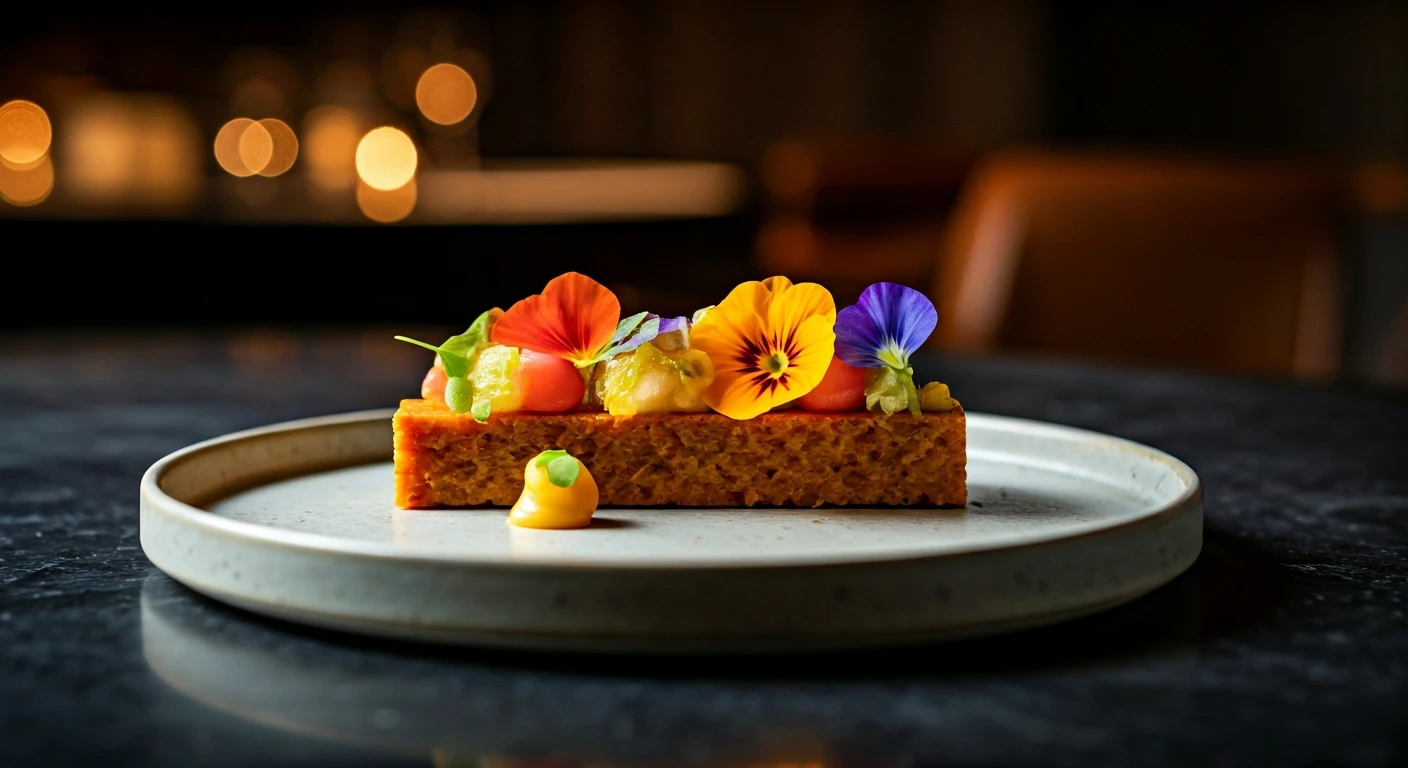
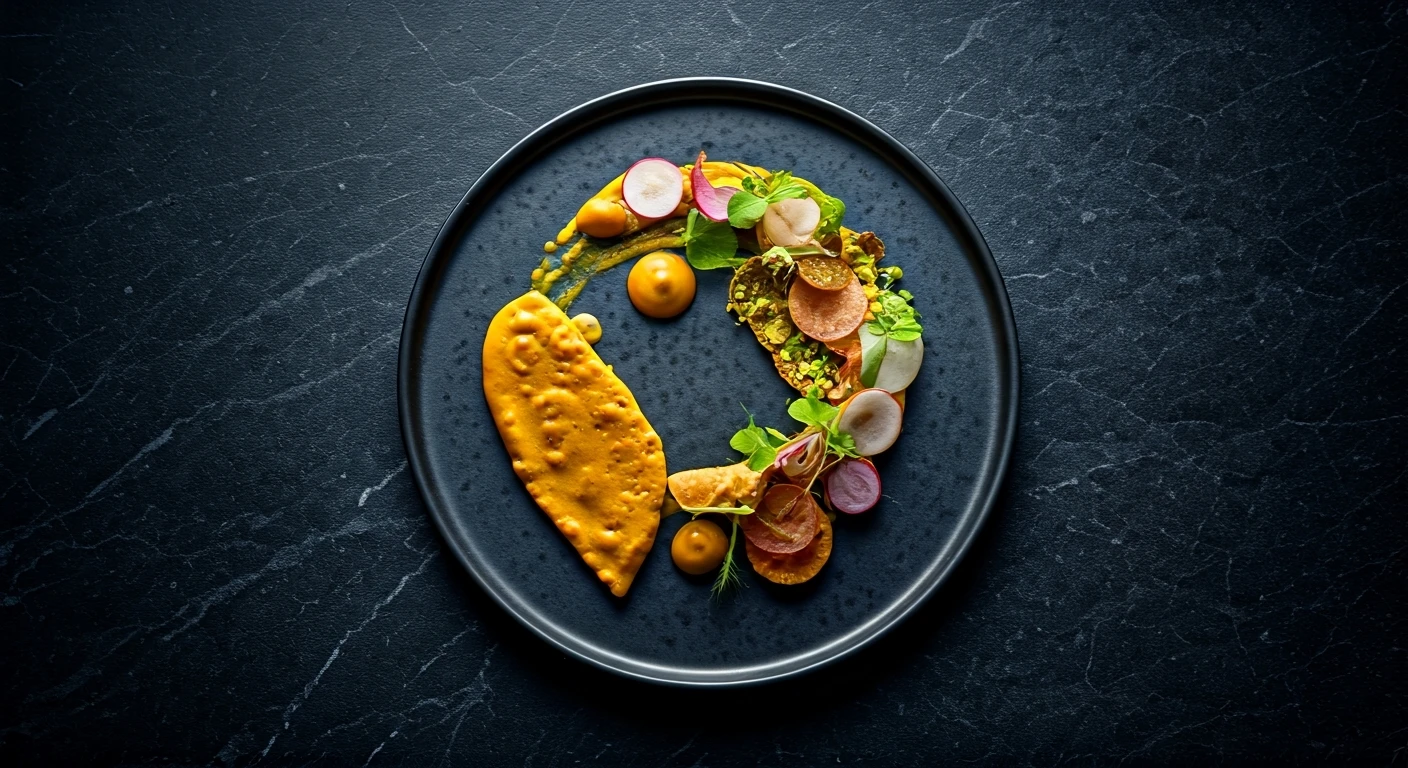
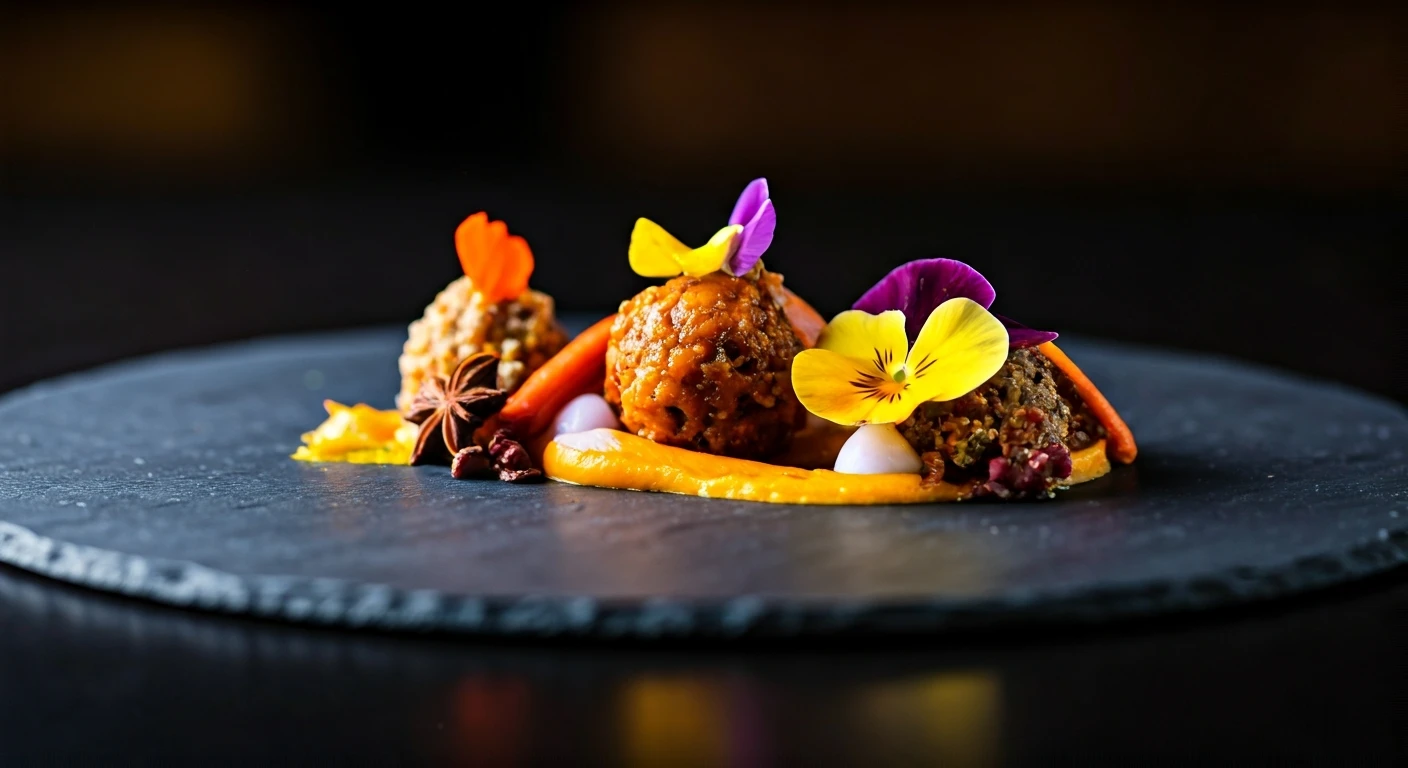
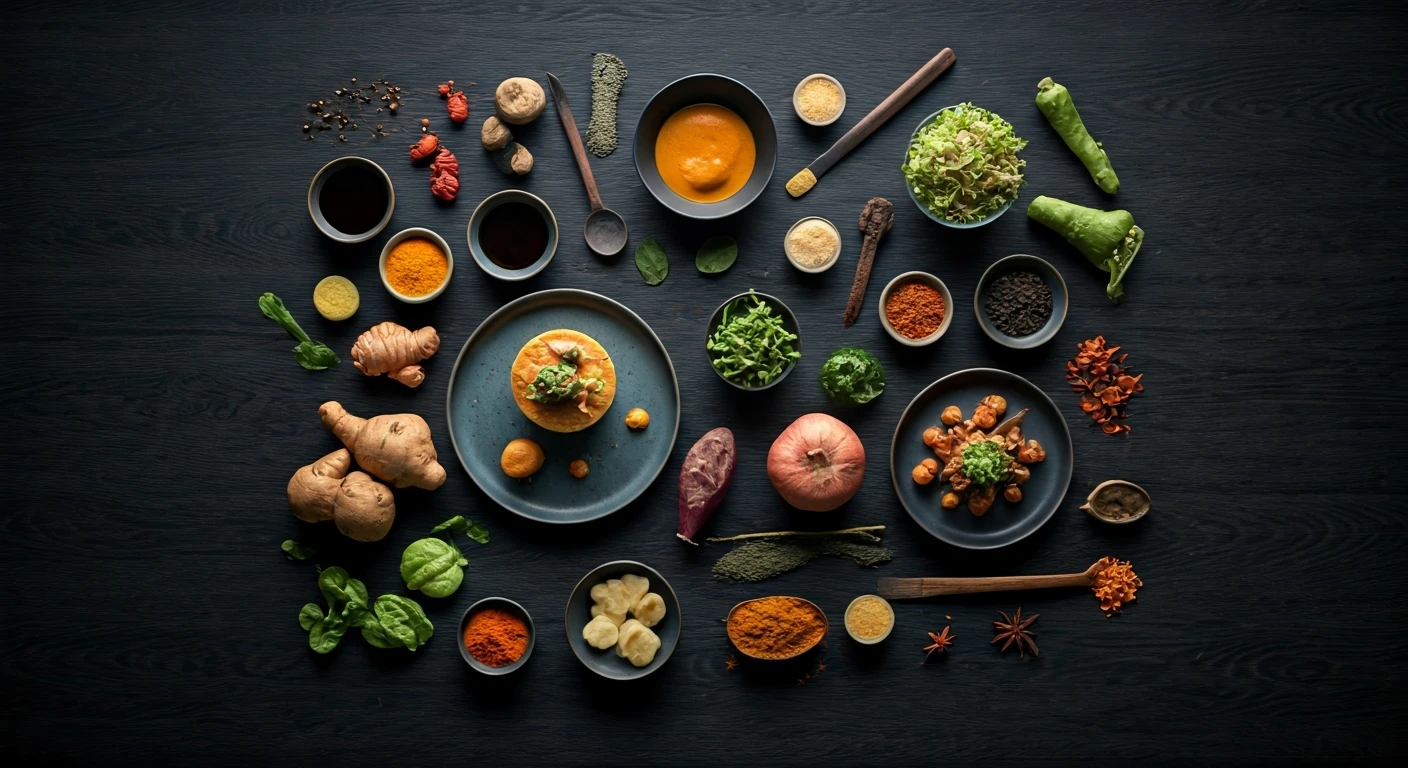
This evolution goes far beyond architecture; it’s baked right into the food. Chefs are curating special “monsoon menus” that both honor and elevate traditional rainy-day cravings. You might find a deconstructed *khichuri* arancini ball, or a gourmet take on the humble *telebhaja* (deep-fried snacks). Corn, which is in season, appears in everything from elegant corn rib appetizers to creamy soups. Hilsa, the undisputed queen of Bengali fish, becomes the star of elaborate tasting menus. At the same time, global comfort foods are being adopted and adapted. A steaming bowl of ramen, a rich Italian pasta, or a perfectly brewed cup of single-origin coffee feels just right when the heavens open up. These establishments understand the modern Kolkatan diner: someone who appreciates their heritage but also possesses a global palate. They are offering not just a meal, but a curated, multi-sensory experience tailored to the very specific mood of a rainy afternoon in Bengal.
More Than Just Shelter
So why is this happening now? The trend is fueled by a confluence of factors. A growing, upwardly mobile urban population has more disposable income and a hunger for new experiences. The post-pandemic desire to socialize and dine out has added another layer of momentum. Furthermore, Kolkata’s creative spirit, long expressed through literature and art, is now finding a powerful new outlet in its gastronomy. Restaurateurs are competing not just on food but on concept, ambiance, and “Instagrammability”—and the monsoon provides an unbeatable, ever-changing aesthetic. It’s a sign of a city that is confident in its identity but eager to innovate, blending its deep-rooted cultural narratives with a modern, global sensibility. The result is a dining culture that is dynamic, resilient, and uniquely Kolkatan.