

The Soilless Solution
For the neat freaks, the small-space dwellers, and the chronically clumsy, the world of soilless plant care is a game-changer. It’s not a futuristic sci-fi concept; it’s a collection of simple, accessible methods that replace traditional potting mix with
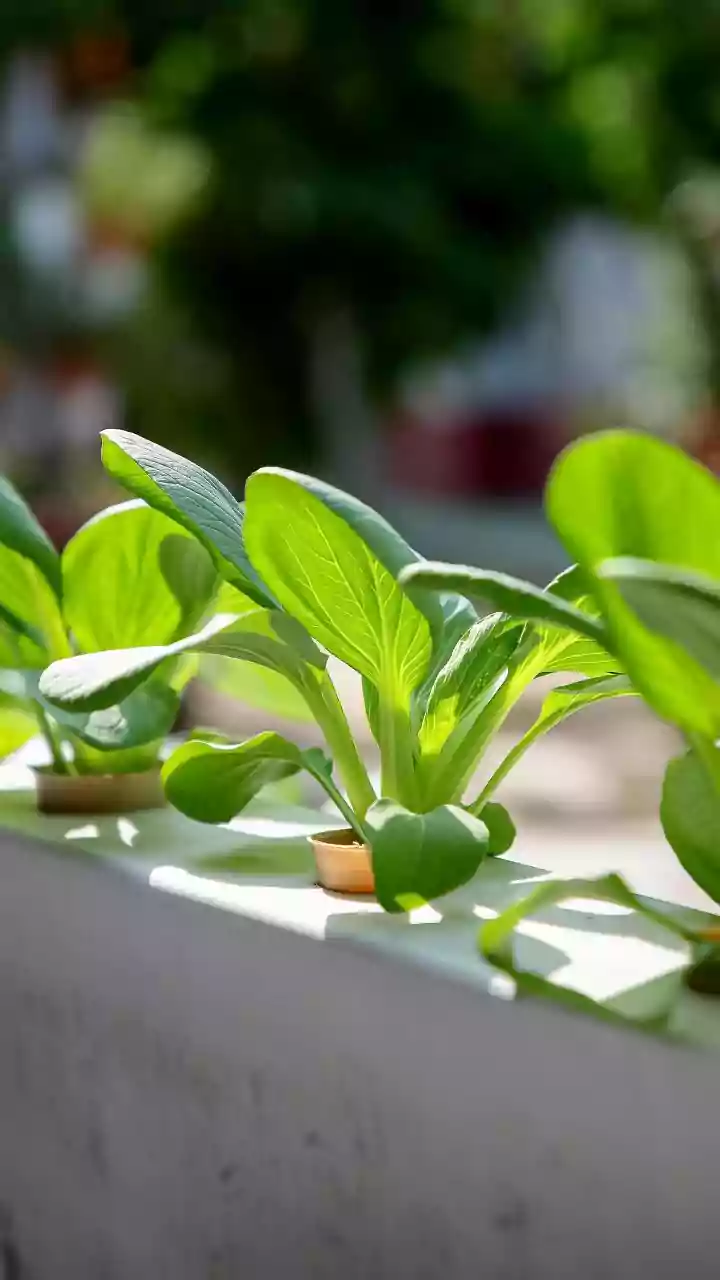
cleaner, more manageable alternatives. These techniques, often called semi-hydroponics, allow you to enjoy all the beauty of a verdant home without ever having to touch a bag of dirt. They often reduce the risk of pests that live in soil and can make watering routines more predictable. Ready to trade the mud for minimalism? Here are the best ways to get started.
1. LECA: The Clay Ball Wonder
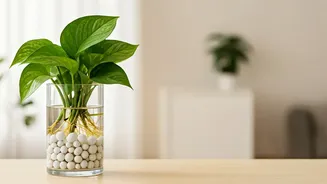
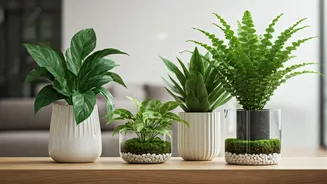
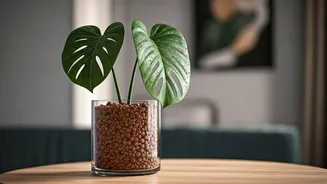
LECA stands for Lightweight Expanded Clay Aggregate. In plain English, they’re little baked clay balls, about the size of marbles, that are porous and absorb water. You simply nestle your plant’s clean roots among the pebbles in a glass jar or a self-watering pot. The LECA wicks moisture from a reservoir at the bottom, delivering a steady supply of water to the roots without ever waterlogging them. **Why it’s great:** It’s incredibly clean. You rinse the pebbles, you rinse the plant’s roots, and that’s it. There’s no soil to spill or compact. The gaps between the pebbles provide excellent airflow, promoting healthy root growth. Plus, watching the roots grow through a clear glass vessel is a fascinating show. **Best for:** Aroids like Pothos, Philodendrons, Monsteras, and ZZ plants transition beautifully to LECA.
2. Just Water: The Simplest Hydroponics
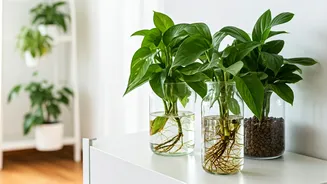
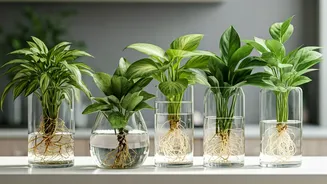
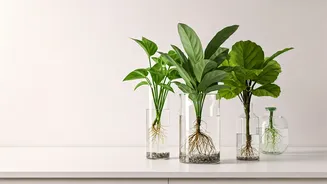
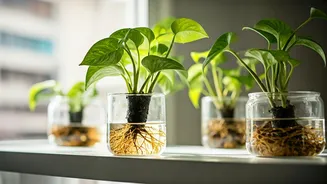
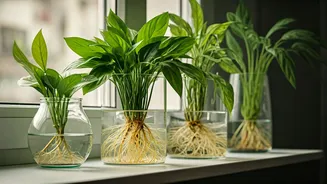
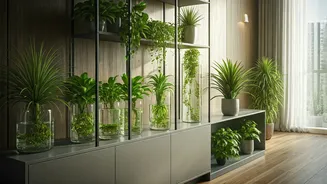
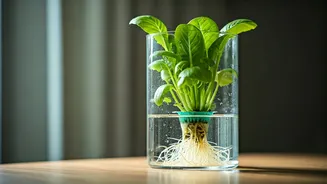
This is as easy as it gets. Many common houseplants can live happily for months, or even years, with their roots submerged in nothing but water. It’s the perfect method for propagating new plants from cuttings, but it can also be a permanent home. Find a beautiful glass vase, a vintage bottle, or a collection of small jars, fill them with water, and place your cutting inside. Just be sure to change the water every week or two to replenish oxygen and prevent stagnation. **Why it’s great:** It’s aesthetically stunning and requires minimal supplies. You can watch the roots develop in real time, and there is zero chance of a soil-related mess. It’s a foolproof entry point into plant care that feels more like floral arranging than gardening. **Best for:** Vining plants are champions here. Golden Pothos, Heartleaf Philodendron, English Ivy, and even herbs like mint and basil thrive in water.
3. Air Plants: The Ultimate Minimalists
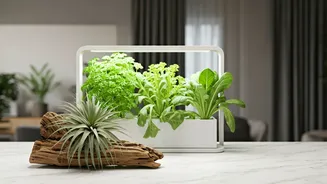
If you want to completely eliminate pots, soil, and water reservoirs, meet your new best friend: the air plant. These members of the Tillandsia genus are epiphytes, meaning they naturally grow on other plants or rocks, not in soil. They absorb all the water and nutrients they need through specialized scales on their leaves. Their “roots” are just for anchoring themselves to surfaces. **Why it’s great:** The decorative possibilities are endless. You can place them in hanging glass globes, rest them on a piece of driftwood, mount them on a wall, or simply group them on a decorative tray. Care involves a weekly soak in a bowl of water for 20-30 minutes and a gentle shake to dry. That’s it. No mud, no pots, no problem. **Best for:** Anyone, but especially those with limited shelf space. They bring a touch of sculptural, living art to any corner of your home.
4. Kokedama: The Stylish Moss Ball
Kokedama is a Japanese art form where a plant’s root ball is wrapped in a special soil mixture, covered in moss, and bound with string. The result is a beautiful, self-contained sphere that you can hang or place on a decorative dish. While it does contain some soil, it’s completely enclosed, eliminating spills and mess. It becomes a tidy, living sculpture. **Why it’s great:** Kokedama offers a unique, organic aesthetic that stands out. Watering is simple: when the ball feels light, you submerge it in water for a few minutes until it’s saturated. It’s a contained, manageable, and highly Instagrammable way to display your plants. **Best for:** Plants that don't mind staying moist, such as ferns, pothos, and peace lilies. It's a great DIY project for a crafty afternoon.