

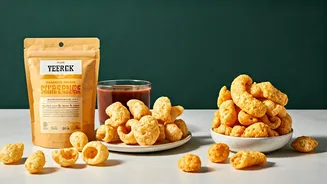

Beyond the Legacy Bites
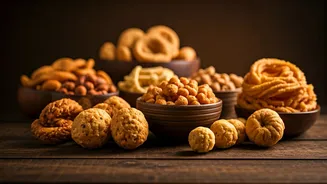
For decades, the Indian snack landscape was a fairly straightforward affair. On one side, you had the massive, unorganized market of street food—freshly fried samosas, crispy pakoras, and savory chaat. On the other, legacy brands like Haldiram’s and Lay’s
(owned by PepsiCo) dominated the packaged-goods aisle with a focus on indulgence, salt, and nostalgic flavors. The choice was simple: you snacked for comfort, for a quick energy hit, or for pure, unadulterated taste. Health was a consideration for mealtime, not for the 4 p.m. munchies. This created a colossal market built on tradition and flavor, but it left a significant gap that a new generation is now eagerly filling.
The New 'Snack with Benefits' Mindset
So, what changed? In short, everything. India’s millennials and Gen Z, armed with disposable income and smartphones, have been exposed to global wellness trends. They follow fitness influencers on Instagram, track their macros, and are far more ingredient-savvy than their parents' generation. The COVID-19 pandemic only accelerated this shift, placing a new premium on immunity and overall well-being. For this demographic, a "benefit" is no longer just about feeling full. It’s about tangible nutritional value: high protein, added fiber, no refined sugar, and clean labels with ingredients they can actually pronounce. They’re looking for snacks that work for them—powering a workout, fueling a late-night study session, or providing a guilt-free treat without a subsequent sugar crash.
Meet the Market Disruptors
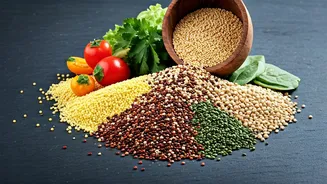
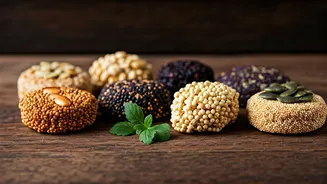
This demand has fueled a boom in direct-to-consumer (D2C) startups that are running circles around the slower-moving giants. Brands like The Whole Truth have built a loyal following with a radical promise of “100% clean ingredients,” showing the exact percentage of each component on the front of the package. Yoga Bar, acquired by the conglomerate ITC, cornered the market on protein bars and muesli before expanding. Meanwhile, companies like Slurrp Farm are championing traditional Indian superfoods like millets and ragi, creating healthy puffs and cookies for kids that parents can trust. These brands aren't just selling a product; they're selling transparency, health, and a modern identity that resonates deeply with young, urban Indians.
But Flavor Still Rules
Here’s the critical part: this isn’t a pivot to bland, boring health food. The Indian palate is famously complex and demanding. Young consumers expect the same bold, exciting flavors they grew up with, just in a healthier format. The successful new brands understand this perfectly. They’re not just making a simple oat bar; they’re creating millet-based puffs with tangy masala or mango chili flavors. They're launching chocolate protein bars infused with coffee or salted caramel. They are innovating by using dates and nuts for sweetness instead of refined sugar, and baking instead of frying, all without sacrificing the sensory experience. The core lesson is that in India, health cannot win without flavor. The two must go hand-in-hand.
Why Global Brands Should Pay Attention
This trend is more than a niche development; it’s a blueprint for the future of snacking in emerging economies. With over 600 million people under the age of 25, India is a test lab for the global consumer of tomorrow. Legacy companies are now scrambling to catch up. PepsiCo has launched its own baked snack line, Quaker has introduced oat-based products with Indian flavors, and conglomerates are acquiring successful startups to absorb their innovation. For any American or international brand looking to enter or expand in India, the message is clear: the old playbook is obsolete. To win over young India, your snack must offer a clear functional benefit and deliver an unforgettable flavor experience. Anything less is just leaving money on the table.