



Defining the New Natural
So, what exactly is “natural decor”? It’s less a rigid style and more an ethos that champions authenticity and tranquility. Think of it as the aesthetic antidote to a hyper-digital, overly polished world. The color palette is pulled directly from the earth:
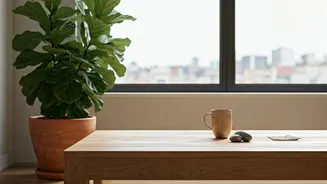
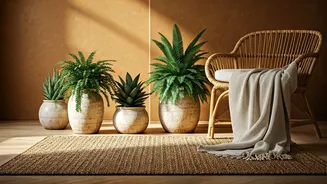
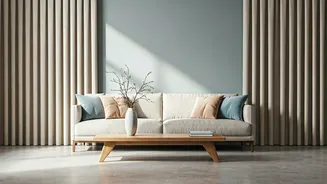
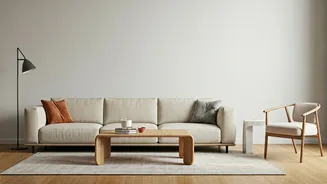
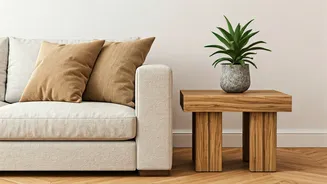
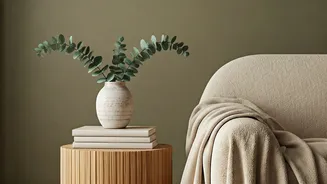
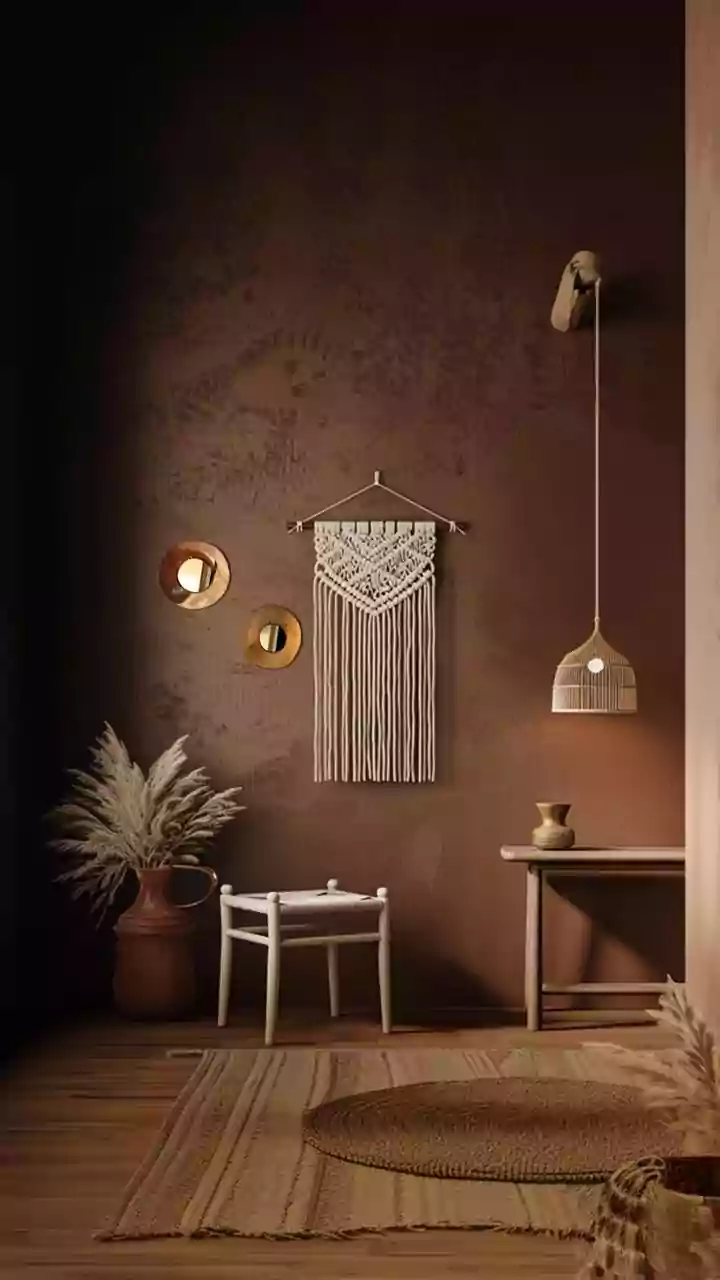
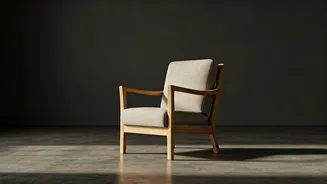
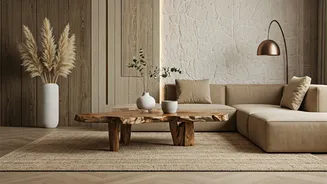
warm terracottas, sandy beiges, soft greens, and deep, grounding browns. These hues replace the stark, cool grays that dominated homes for the better part of a decade. Materials are key. We’re seeing a surge in decor that celebrates texture and imperfection. Furniture made of light-toned woods like oak and ash, often with a raw or unstained finish, is a cornerstone. Accents made of rattan, cane, and wicker bring a breezy, organic feel to chairs and cabinets. Underfoot, jute and sisal rugs provide texture and warmth. On couches and beds, fabrics like linen and chunky, un-dyed wool are prized for their tactile, comforting qualities.
A Response to a Digital World
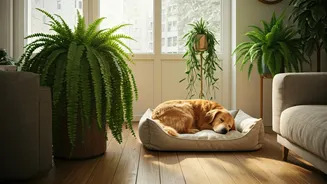
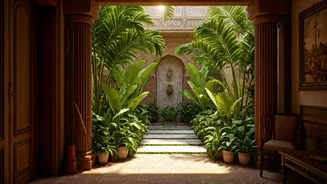
This turn towards nature isn't happening in a vacuum. Experts point to it as a direct reaction to our increasingly online lives, a trend accelerated dramatically by the pandemic. When our homes suddenly became our offices, schools, and gyms, our relationship with them fundamentally changed. We began to crave a space that felt like a retreat from the blue light of screens and the stress of the outside world. This is where “biophilic design” enters the conversation—a concept once reserved for architects that has now gone mainstream. It’s the idea that humans have an innate need to connect with nature, and that incorporating natural elements into our built environments can improve our well-being. The explosion in houseplant popularity was the first wave. Now, that same impulse is shaping our furniture and material choices, creating a holistic environment that feels calming and alive.
Wellness Is the New Luxury
The natural decor trend is inextricably linked to the broader wellness movement. Just as we’ve become more conscious of what we put in our bodies, we’re becoming more intentional about the environments we inhabit. A home filled with natural light, living plants, and materials that feel good to the touch is no longer just a design choice; it’s an act of self-care. The philosophy here is that your environment has a direct impact on your mental state. The clean lines and minimal clutter of modernism can feel sterile, while the natural aesthetic aims for something more soulful and restorative. The slight imperfections in a handmade ceramic vase or the grain of a wooden table remind us of the beauty in the non-machine-made, grounding us in the present moment.
Sustainability as a Style Statement
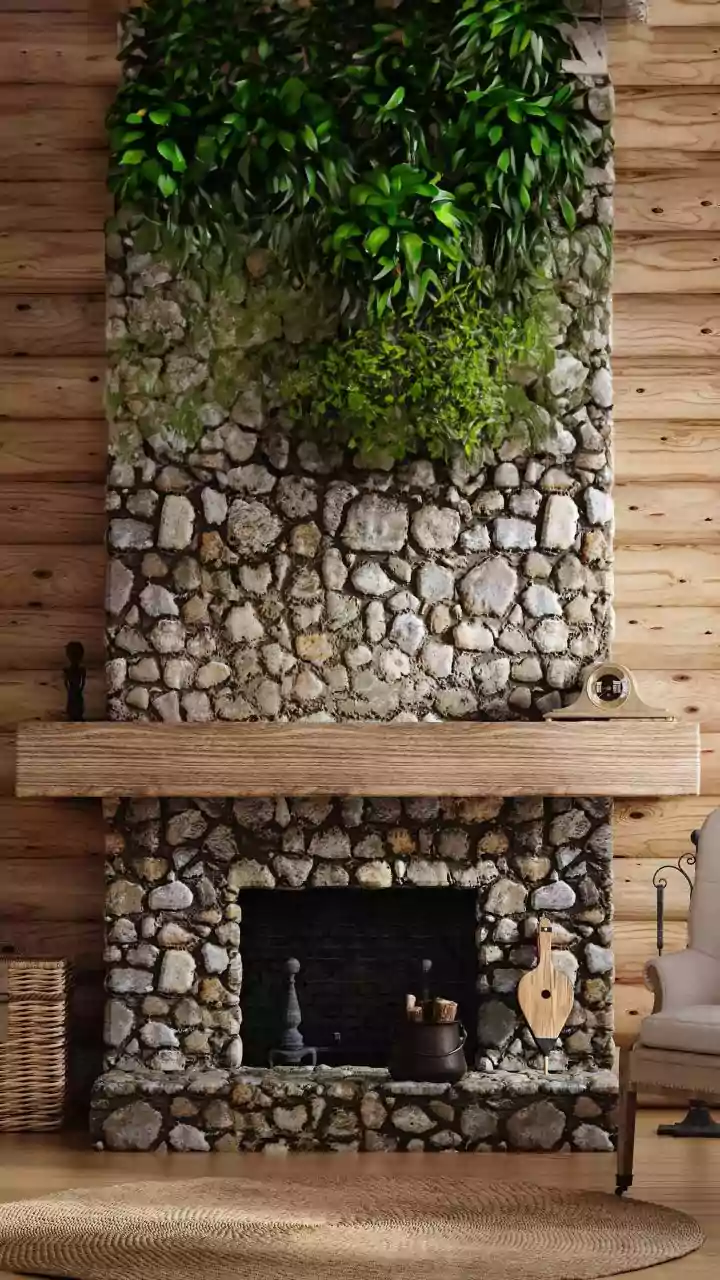
Alongside wellness, a growing desire for sustainability is fueling the move towards natural materials. As consumers become more aware of the environmental cost of “fast furniture”—cheaply made pieces designed to be disposable—many are seeking out alternatives that are built to last. Solid wood, stone, and natural fibers are not only more durable but also have a better end-of-life story than plastics and synthetic composites. This trend favors buying fewer, better things. It champions craftsmanship and timelessness over fleeting fads. A well-made oak dining table or a high-quality wool rug is an investment, a piece meant to be lived with for decades, not just a season. In this context, choosing natural decor becomes a quiet statement about personal values, signaling a preference for longevity and responsible consumption.