





The Logic of Rainy Season Travel
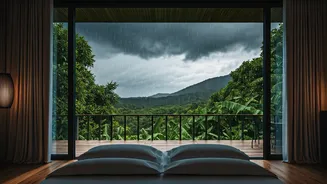
For many popular destinations, the 'monsoon' or rainy season is simply the off-season. While it might sound like a washout, the reality is often short, predictable afternoon downpours rather than all-day deluges. In exchange for packing a rain jacket,
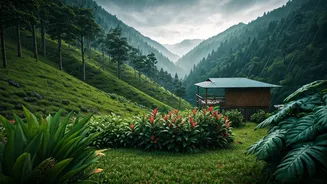
travelers are rewarded with significant benefits. Airfare and accommodation prices can drop by 30% or more. Over-touristed sites become blissfully quiet, allowing for more intimate exploration. And perhaps best of all, the landscape comes alive. Dusty browns transform into vibrant greens, waterfalls thunder back to life, and the air feels fresh and clean. It’s a travel hack that swaps blue skies for green landscapes and bigger budgets.
Costa Rica’s Emerald Season
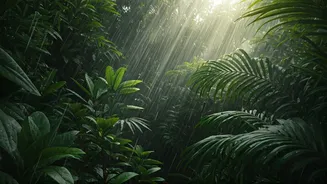
Costa Rica calls its rainy season (May to November) the “green season,” and for good reason. This is when the country’s famed rainforests are at their most breathtakingly verdant and alive. While the Pacific coast sees more rain, the showers are typically intense but brief afternoon events, leaving mornings clear for zip-lining, hiking, and wildlife spotting. In fact, some animals, like nesting sea turtles on the coast and colorful poison dart frogs in the jungle, are more active during this time. Whitewater rafting is also at its peak, as rivers swell to create more thrilling rapids. You’ll find steep discounts on eco-lodges and boutique hotels that would be fully booked and far more expensive during the dry high season, making it the perfect time to experience “Pura Vida” on a budget.
America’s Dramatic Desert Monsoon
You don’t have to leave the U.S. to chase a monsoon. The North American Monsoon brings dramatic summer rains to the Southwest, primarily Arizona and New Mexico, from roughly July through mid-September. Instead of ruining a trip, this weather pattern creates one of the region’s most spectacular shows. The sky puts on a daily performance, with towering clouds building in the afternoon before unleashing powerful, localized thunderstorms. The storms create stunning light for photography, cool the desert heat, and release the iconic smell of rain-soaked creosote bushes. It’s a fantastic time to explore places like Santa Fe, Taos, or Sedona. You can spend the clear mornings hiking and the afternoons enjoying world-class galleries, museums, and restaurants while the storm passes.
Thailand’s Greener, Quieter Side
Thailand’s rainy season (roughly July to October) can seem intimidating, but it’s a favorite time to visit for repeat travelers. The crowds of winter vanish, and the country’s natural beauty intensifies. In the north, around Chiang Mai, the rice paddies become a patchwork of brilliant green, and the jungle trekking is muddy but magnificent. On southern islands like Phuket and Koh Samui (which has a slightly different rainy season, peaking later in the year), you can often snag luxury resort rooms for a fraction of their peak-season price. The common pattern is a heavy downpour for an hour or two in the afternoon, which is the perfect excuse to indulge in a long lunch, a cooking class, or a traditional Thai massage. For the rest of the day, you get to enjoy famous beaches without the shoulder-to-shoulder crowds.
Mexico’s Yucatán Peninsula
The summer and early fall are technically the rainy and hurricane seasons in Cancún, Tulum, and the Riviera Maya, but this can be a fantastic time for a budget-conscious trip. The weather is hot and humid, but the near-daily afternoon thunderstorms provide a welcome, cooling break. This pattern makes it easy to plan your days: explore the Mayan ruins of Chichen Itza or Tulum in the morning, find shelter in a fantastic restaurant for lunch when the rain rolls in, and enjoy the beautiful, clear evenings. Furthermore, the region’s famous cenotes—natural freshwater sinkholes—are perfect rainy-day activities, as you’re going to get wet anyway. With fewer tourists, you’ll have a much better chance of experiencing these magical swimming spots in peace.