

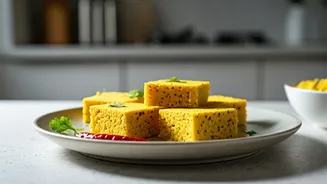
What Does a 'Desi' Breakfast Mean?
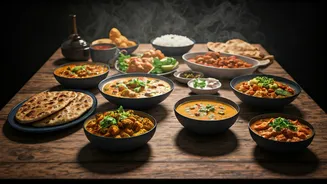
First, let's clear up the lingo. "Desi" is a term people from the Indian subcontinent (India, Pakistan, Bangladesh, and more) use to refer to themselves, their culture, and, most importantly for us, their food. For generations, a Desi breakfast has been
built on principles that American wellness culture is just now catching up to: savory flavors over sugar, protein and fiber to keep you full, and the smart use of spices for both taste and health benefits. As Americans look for more exciting and functional ways to start their day, they’re discovering the genius of these quick and wholesome morning meals. Forget heavy, greasy, or sugar-laden options; this trend is about vibrant, satisfying food that comes together in minutes.
The 10-Minute Wonder: Poha
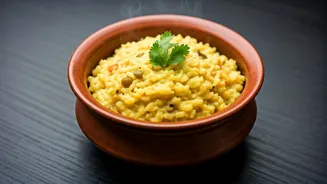
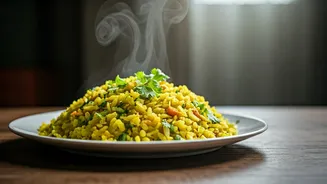
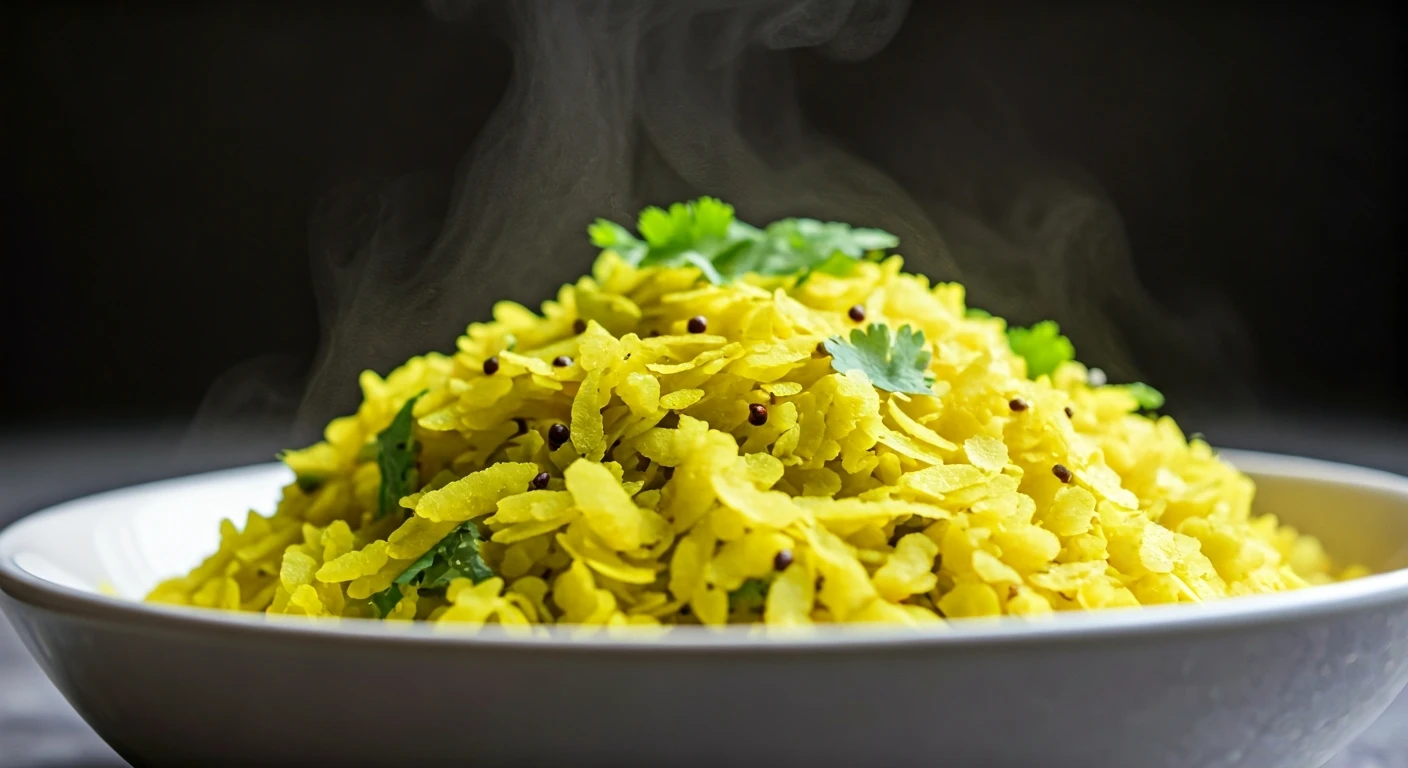
If you need breakfast on the table in under 10 minutes, meet poha. Made from flattened rice flakes that rehydrate almost instantly, poha is the ultimate quick-fix savory breakfast. Think of it as a lighter, fluffier couscous. The base recipe is simple: sauté mustard seeds, curry leaves, and onions in a little oil, add turmeric for that beautiful yellow color, and toss in the rinsed poha. You can customize it by throwing in green peas, diced potatoes, or roasted peanuts for crunch. Finished with a squeeze of fresh lime juice and a sprinkle of cilantro, it’s a zesty, light, and surprisingly filling meal that won’t weigh you down. It’s also naturally gluten-free.
Rethink Your Oatmeal: Masala Oats & Upma
For many Americans, oatmeal means brown sugar, maple syrup, or fruit. The Desi approach flips the script by making it savory. Masala oats are simply rolled oats cooked with water or broth and spiced with turmeric, cumin, and coriander, then packed with finely chopped vegetables like carrots, peas, and bell peppers. It’s a hearty, high-fiber meal that feels more like a risotto than a breakfast porridge. A close cousin is upma, a creamy porridge made from dry-roasted semolina (or cream of wheat). Cooked with similar savory spices and vegetables, upma has a wonderfully smooth texture and provides sustained energy, making that 11 a.m. snack craving a thing of the past.
The High-Protein Pancake: Besan Cheela
Looking for a pancake that’s actually good for you? Try besan cheela. These savory, crepe-like pancakes are made from besan (chickpea flour), which is packed with protein and fiber. The batter comes together in a minute: just whisk the flour with water and spices like turmeric, ajwain (carom seeds), and a pinch of chili powder. You can add finely chopped onions, tomatoes, and cilantro directly into the batter. Cook them in a lightly oiled pan for a couple of minutes per side, and you have a warm, foldable, and delicious breakfast. They’re a fantastic gluten-free and vegan alternative to traditional pancakes and can be served with a side of yogurt or your favorite chutney.
Level Up Your Yogurt Bowl
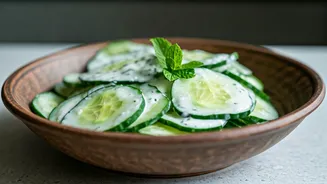
The Greek yogurt bowl is a breakfast staple, but the Desi version offers a savory twist that’s far more interesting than another sprinkle of granola. Start with plain, full-fat yogurt. Instead of fruit and honey, add chopped cucumber, tomato, and onion for a cooling, crunchy base. The real magic comes from the “tadka” or “chaunk”—a technique of tempering spices in hot oil to unlock their flavor. Heat a teaspoon of oil in a small pan, sizzle some mustard seeds and cumin seeds until they pop, maybe add a dried red chili, and then pour this fragrant, sizzling oil directly over your yogurt. The combination of cool, creamy yogurt and warm, aromatic spices is a textural and flavorful revelation.