

Beyond the Yogurt Aisle
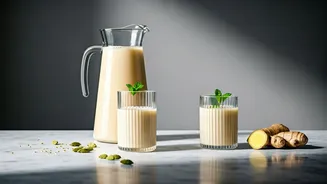
When you hear 'probiotics,' your mind probably jumps to yogurt, kefir, or that fizzy kombucha everyone was drinking a few years ago. While these are great sources of beneficial bacteria, the world of fermented, probiotic-rich foods is much larger, and
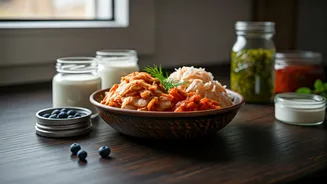
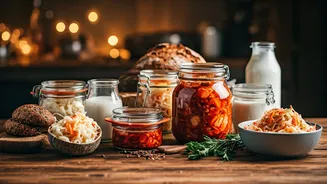
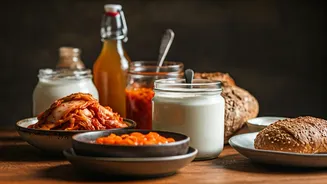
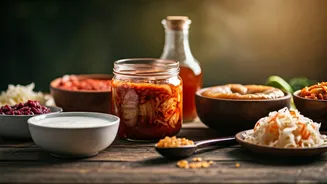
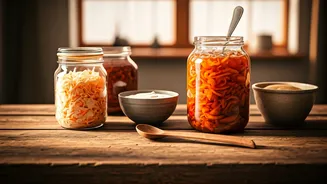
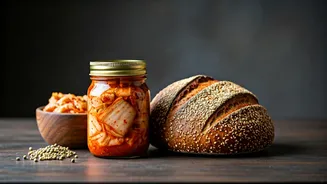
frankly, more interesting. This new, practical approach to gut health reintroduces us to the heritage of fermentation that exists in nearly every culture. We're talking about the tangy crunch of real sauerkraut (not the vinegar-canned kind), the spicy kick of kimchi, the savory depth of miso paste, and even the simple goodness of traditionally fermented pickles. These foods aren't just vehicles for good bacteria; they're complex, flavorful ingredients that have been a cornerstone of healthy diets for centuries, long before the term 'probiotic' was ever coined. The current trend is less about discovering a new miracle food and more about rediscovering the wisdom already present in these traditional preparations.
The Local Connection
One of the biggest drivers of this shift is the boom in local food systems. Your neighborhood farmers' market is no longer just a place for fresh lettuce and tomatoes; it's become a hub for small-batch, artisanal food producers. Look closely and you'll likely find a vendor selling their own unique kimchi, small-batch sauerkraut with caraway seeds, or even locally made milk kefir. Buying local does more than support your community's economy. It often means you're getting a fresher, more vibrant product made with high-quality ingredients. These small producers are passionate about their craft, using traditional methods that preserve the food's nutritional integrity and microbial diversity. Unlike mass-produced products that may be heat-treated or pasteurized, which can kill beneficial bacteria, these local ferments are alive and teeming with the very gut-friendly microbes you're looking for. It bridges the gap between convenience and quality, allowing you to access nutrient-dense foods without having to make them yourself.
DIY Fermentation Made Simple
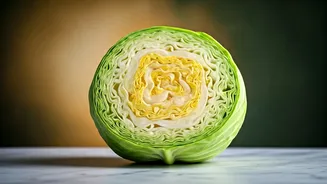
Perhaps the most empowering aspect of this trend is the demystification of home fermentation. The idea of letting food sit on your counter to ferment can seem intimidating, conjuring images of lab coats and complex procedures. But the reality is refreshingly simple. Making your own sauerkraut, for example, requires only two ingredients: cabbage and salt. That’s it. You shred the cabbage, massage it with salt until it releases its own brine, pack it into a jar, and let nature do the work. There's a growing wealth of online resources, from YouTube tutorials to community-run blogs, dedicated to making home fermentation accessible to everyone. Starting small is key. A simple jar of fermented carrots or a batch of sauerkraut is a low-stakes, high-reward project that can build your confidence. Not only is it incredibly cost-effective, but it also gives you complete control over the ingredients and flavor, allowing you to create foods perfectly suited to your palate.
Practical Swaps for Everyday Meals
Embracing probiotic eating doesn't require a radical diet overhaul. The most sustainable approach is to find simple, practical ways to incorporate these foods into the meals you already enjoy. Think of fermented foods less as a main course and more as a condiment or flavor-enhancer that adds a nutritional punch. A forkful of sauerkraut can liven up a sandwich or a plate of roasted vegetables. A dollop of kimchi is a fantastic addition to scrambled eggs, fried rice, or even on top of a hot dog. A splash of kefir can replace milk in your morning smoothie, adding a pleasant tang and a host of probiotics. Using miso paste, a fermented soybean product, can add a deep, savory 'umami' flavor to soups, dressings, and marinades. By making these small, consistent additions, you can easily support your gut health without feeling like you're on a restrictive 'health' diet.