








The Great Post-Pandemic Recalibration
Let’s be honest: the phrase “walking communities are everywhere” is an overstatement. But the *desire* for them is. The pandemic acted as a massive catalyst, forcing a collective re-evaluation of our lives. When home became the office, the school, and the gym,
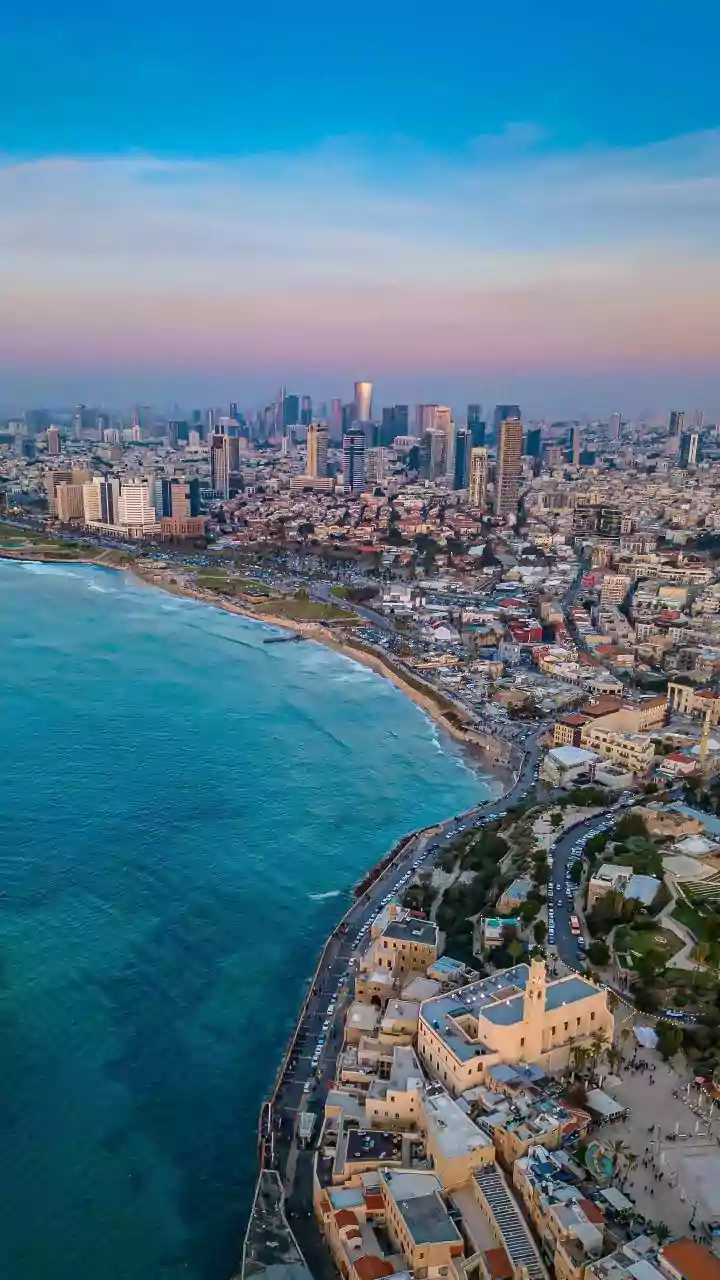
our immediate surroundings took on immense importance. The daily commute vanished for millions, replaced by a walk around the block that suddenly felt like an essential escape. This mass experiment in local living exposed a deep-seated craving for connection, convenience, and a life less reliant on a car. People started noticing the shuttered storefronts on their Main Streets and wishing for a coffee shop, a small grocer, or a park within a ten-minute stroll. This isn’t about a sudden hatred for cars; it’s a rediscovery of a more human-scaled existence. The demand isn’t just nostalgia; it's a practical response to years of increasing isolation, traffic congestion, and a feeling that our communities were becoming places to drive through, not live in.
More Than Just Sidewalks
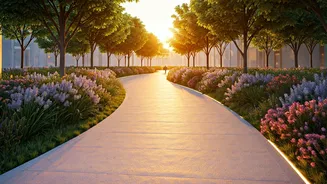
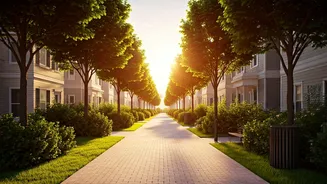
So, what makes a true walking community? It’s far more than just having sidewalks. A truly walkable neighborhood is a complex ecosystem. Planners call it “mixed-use zoning”—a blend of residential homes, small businesses, public spaces, and offices all woven together. Think of a classic American Main Street, where people live in apartments above the shops. It’s about having what urbanists call “third places”—the coffee shops, libraries, parks, and pubs that aren't home (first place) or work (second place), but are essential for community life. This is the core idea behind the much-discussed “15-minute city” concept: a place where all of life's necessities and pleasures are accessible within a 15-minute walk or bike ride. It requires density, but not necessarily skyscrapers. It could be a neighborhood of townhomes and duplexes clustered around a small commercial strip. The key is a design that prioritizes people over cars, creating an environment that is not only functional but also pleasant and safe to move through on foot.
The Ripple Effect of Walkability
The benefits of this shift extend far beyond convenience. Study after study confirms the profound upsides. Residents of walkable neighborhoods tend to be healthier, both physically from the increased activity and mentally from the greater social interaction. When you regularly see your neighbors on the street or at the local cafe, you build what sociologists call “social capital”—the informal network of trust and reciprocity that makes a community resilient. The economic impact is also significant. Walkable districts often have stronger local economies because residents spend their money at nearby, independently owned businesses. This creates a virtuous cycle: successful local shops create a more vibrant neighborhood, which in turn attracts more residents who want to live there. Real estate data consistently shows that homes with high “Walk Scores” command higher prices and hold their value better, signaling a clear market preference for this lifestyle.
It's Not Always a Perfect Stroll
Of course, the path to more walkable communities is not without its obstacles. The biggest challenge is equity. Because these neighborhoods are so desirable, they have become magnets for investment, often driving up housing costs and pushing out lower-income residents in a process known as gentrification. Creating walkable communities that are also affordable and inclusive is the central puzzle facing city planners today. Furthermore, retrofitting America’s vast, car-centric suburbs is a monumental task. Decades of zoning laws that strictly separate residential, commercial, and industrial areas have created a landscape that is fundamentally hostile to pedestrians. Changing these codes is a slow, politically fraught process. The rise of walkable neighborhoods isn't a silver bullet for all of society's ills, but a powerful indicator of what Americans are starting to value more.