





The Science Behind the Scent
That distinct, sharp smell that marigolds release isn't just for show—it's their secret weapon. Marigolds produce compounds called thiophenes, particularly a potent natural insecticide and nematicide known as alpha-terthienyl. This substance is most concentrated
in the plant’s roots and is slowly released into the soil, disrupting the life cycle of microscopic pests. While the scent of the flowers and leaves can deter some above-ground insects, the real magic happens underground. Think of it as a natural force field for your soil, making the area inhospitable for certain destructive organisms without affecting the health of your other plants. This is why gardeners have passed down the wisdom of planting marigolds for generations—it's a bit of botanical folklore that happens to be backed by solid science.
Which Pests Do They Actually Repel?
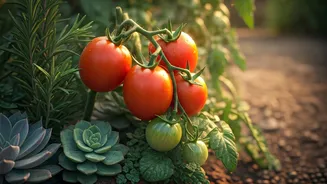
It’s important to have realistic expectations. Marigolds are not a cure-all that will banish every bug from your yard. However, they are highly effective against specific and particularly damaging pests. Their primary claim to fame is controlling root-knot nematodes, microscopic worms that attack the roots of vegetables like tomatoes, peppers, and squash, causing stunted growth and poor yields. To be effective, the marigolds must be planted and allowed to grow for a full season to 'cleanse' the soil. Above ground, the strong scent of French marigolds can deter whiteflies from congregating on nearby tomato plants and may discourage Mexican bean beetles. Some anecdotal evidence suggests they can also repel squash bugs and even mosquitos when planted in containers on a patio. However, be aware that marigolds can sometimes attract spider mites and slugs, so they are one tool in an integrated pest management plan, not a singular solution.
Choosing the Right Marigold for the Job
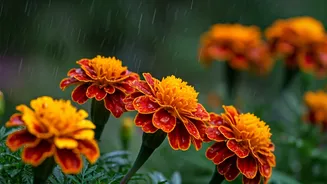
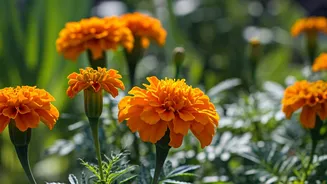
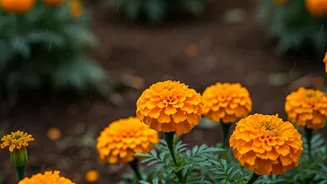
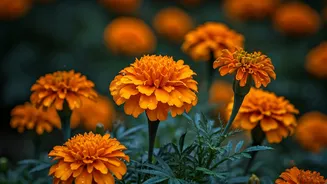
Not all marigolds are created equal when it comes to pest control. While the big, fluffy African marigolds (*Tagetes erecta*) are beautiful, the most potent varieties for repelling pests are the smaller, more pungent French marigolds (*Tagetes patula*). Varieties like 'Nema-Gone,' 'Golden Guardian,' or the 'Tangerine Gem' signet marigold are specifically known for having high concentrations of the necessary pest-repelling compounds. French marigolds have a more compact, bushy growth habit, making them ideal for tucking between vegetable rows or creating a dense border around a garden bed. When you're at the garden center or looking at seed packets, opt for these hard-working French varieties to get the most bang for your buck in the pest-control department. They're just as beautiful and come in a stunning array of oranges, yellows, and deep reds.
Strategic Planting for Maximum Impact
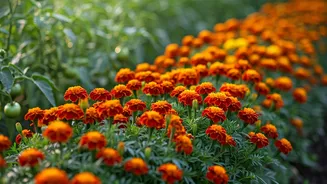
How you plant your marigolds matters just as much as which type you choose. For general pest deterrence, interplanting is the best strategy. This means planting marigolds directly in your vegetable beds, in between your tomato plants, next to your squash, and alongside your beans. This close proximity creates a protective aromatic barrier that can confuse and repel pests looking for their target crop. For targeting nematodes, a more intensive approach is required. Some gardeners dedicate an entire bed to a dense planting of French marigolds for a full season, then till the plants into the soil at the end of the year. This biofumigation process saturates the soil with thiophenes, effectively sterilizing it of nematodes before the next planting season. For a simpler approach, simply creating a thick border of marigolds around the entire perimeter of your garden can act as a first line of defense, helping to reduce the number of pests that find their way in.
Beyond Pest Control: Other Garden Benefits
Even if they weren't pest-repelling powerhouses, marigolds would still earn their place in the garden. These easy-to-grow annuals are incredibly low-maintenance and thrive in full sun, tolerating even poor soil and hot, dry conditions once established. Their bright, continuous blooms provide a steady source of color from late spring until the first frost. Furthermore, their simple, open-faced flowers are a valuable source of nectar for beneficial pollinators like bees, butterflies, and hoverflies. By attracting these helpful insects, you're not only supporting the local ecosystem but also bringing in natural predators that will help control other pests, like aphids. In essence, planting marigolds helps create a healthier, more balanced garden environment—all while looking beautiful and costing very little.