

Beyond the Bag of Potting Mix
When we think of houseplants, we instinctively picture a pot filled with dark, rich soil. But a growing number of plant enthusiasts are ditching dirt altogether. Soilless growing isn't as futuristic as it sounds; it simply means raising plants in a medium
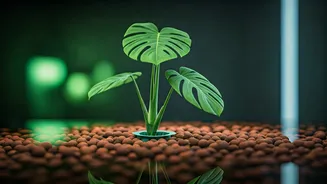
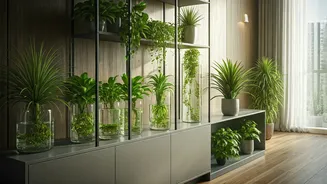
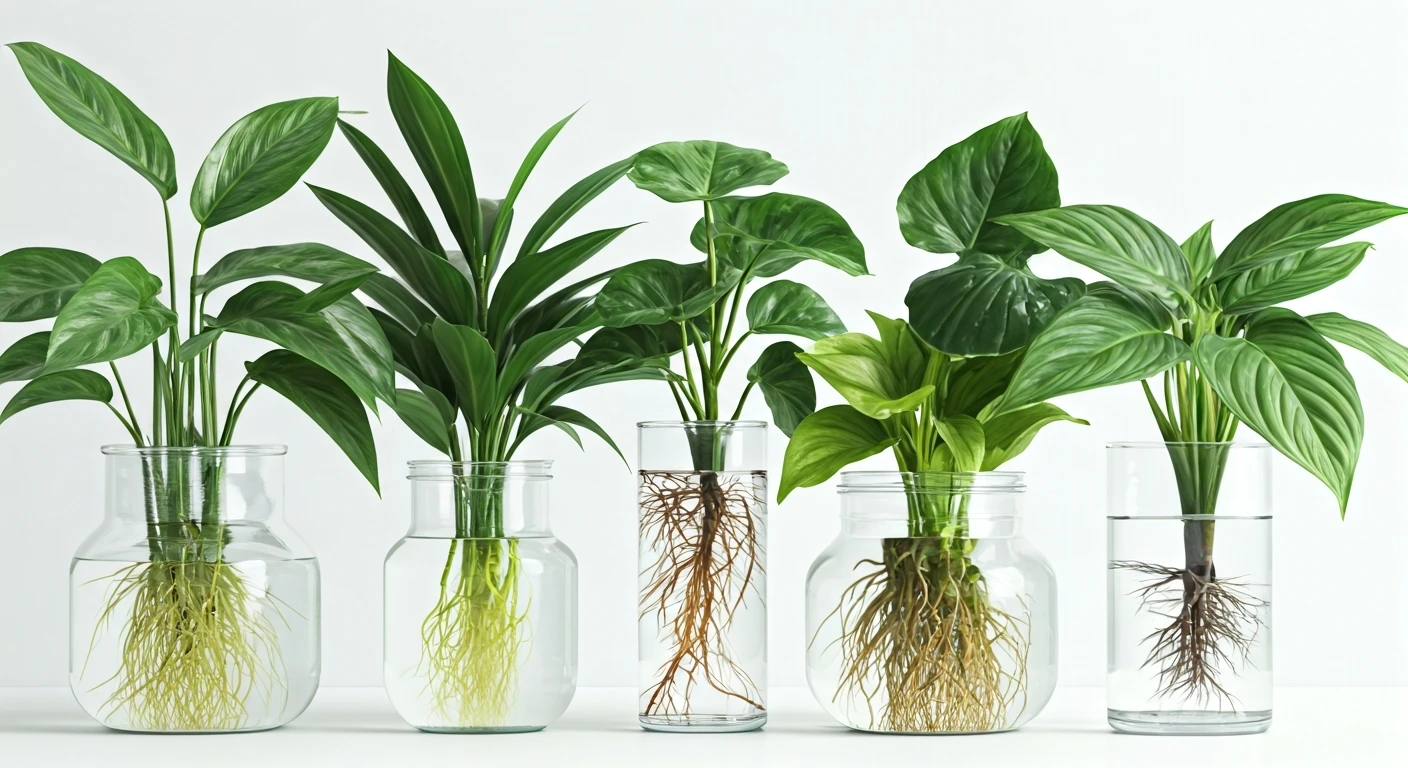
that isn’t soil. This can range from growing a plant directly in water (hydroponics) to using inert substrates like clay pebbles, perlite, or volcanic rock that provide structure for the roots without the organic mess. The core principle is simple: plants don’t actually need soil to live. They need water, nutrients, oxygen, and support. Soil is just one traditional delivery system for those things, and as it turns out, it’s not the only one.
The Cleanliness You Crave
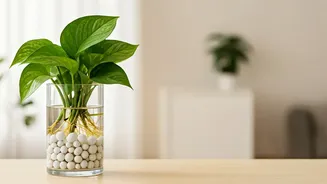
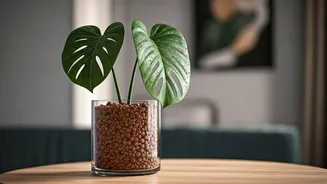
This is the number one reason people convert to soilless methods. For the tidy-minded, soil is a constant source of low-grade anxiety. It spills during repotting, it creates muddy runoff when you water, it leaves rings on furniture, and it can harbor a host of unwelcome guests. With soilless setups, these problems evaporate. Repotting a plant from a jar of LECA (Lightweight Expanded Clay Aggregate) is as simple as rinsing pebbles—no dirt under your fingernails, no sweeping required. Watering is often cleaner, too, since you’re typically adding water to a reservoir rather than pouring it through a dense block of soil. For anyone living in a minimalist apartment or who just shudders at the thought of grit on their white countertops, the appeal is immediate and powerful.
Meet the Soilless Setups
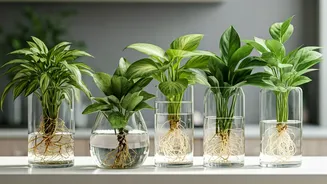
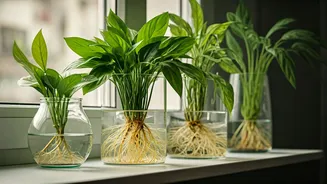
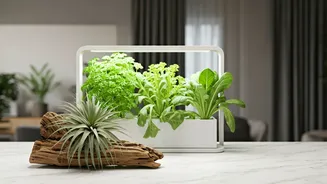
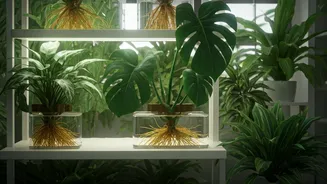
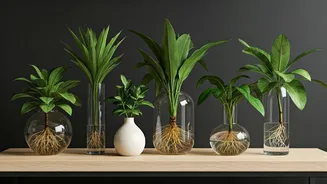
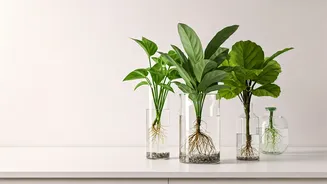
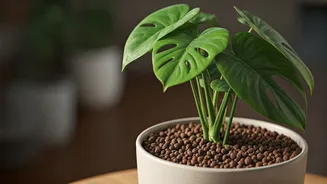
There are several accessible ways to go soilless. The most popular for houseplant lovers is semi-hydroponics, often using LECA. These baked clay balls are porous and wick water up to the roots from a reservoir in the bottom of the pot. It provides a perfect balance of moisture and aeration. Another option is Pon, a substrate mix of pumice, zeolites, and lava rock that comes pre-fertilized. For ultimate simplicity, there's full water culture, where plants like Pothos or Philodendrons live with their roots suspended directly in a vase of water. Finally, don’t forget Tillandsia, or air plants. These epiphytes are naturally soilless; they absorb moisture and nutrients from the air through their leaves and can be displayed on wood, in terrariums, or on decorative holders—the definition of mess-free greenery.
More Than Just Tidy
While cleanliness is the main draw, soilless growing offers other practical advantages. First, it dramatically reduces the risk of soil-borne pests. Fungus gnats, the tiny black flies that buzz around overwatered plants, lay their eggs in damp topsoil. No soil, no fungus gnats. Problem solved. Second, watering can become much more straightforward. With transparent containers, you can literally see the water level in the reservoir, eliminating the guesswork of “is my plant thirsty or drowning?” This visual cue is a game-changer for chronic over- or under-waterers. Finally, many plants thrive with the increased oxygen flow to their roots that soilless media provide, potentially leading to healthier, more robust growth once they're established.
A Few Things to Know
Switching to a soilless system isn't without a small learning curve. The most crucial difference is nutrition. Since inert media like LECA or Pon contain no organic nutrients, you must provide them yourself. This means adding a specially formulated hydroponic fertilizer to the water. It’s not difficult—it’s just a non-negotiable step. Furthermore, transitioning a plant from soil to a soilless medium can be a shock to its system. You need to be meticulous about cleaning all the soil off the roots to prevent rot. Some plants adapt in days, while others might take a few weeks to grow new “water roots.” It requires a little patience, but for many, the clean, pest-free result is more than worth the initial effort.