



Moving Past the Monolith
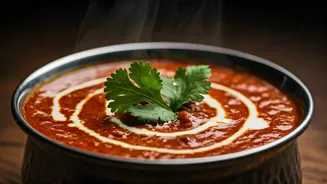
For decades, the global understanding of Indian food was filtered through a narrow, simplified lens—think chicken tikka masala, naan, and a handful of other Mughlai-inspired dishes that became staples in restaurants from London to Los Angeles. Within
India itself, a similar homogenization occurred, with a 'pan-Indian' restaurant menu that offered a greatest-hits collection catering to a generalized palate. But that era is fading. A new generation of chefs, home cooks, and food entrepreneurs is pushing back against this monolith. They are asking a powerful question: In a country with dozens of states, hundreds of languages, and thousands of distinct communities, what does 'Indian food' even mean? The answer they've found is that it means everything, all at once. The new movement is about decentralization, digging deep into the specific cuisines of individual states, sub-regions, and even villages.
Unapologetically Spicy
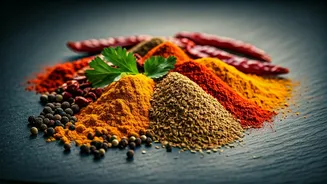
The 'spicy' in India’s new food mood isn’t just about chili heat, though it certainly doesn’t shy away from it. It's about complexity and a refusal to tone down authentic flavors. For years, there was a tendency in upscale dining to temper spices for a presumed international or timid domestic palate. Today, the opposite is happening. Chefs are proudly showcasing the pungent kick of black peppercorns from Kerala, the smoky fire of Nagaland’s bhut jolokia (ghost pepper), and the intricate, earthy spice blends of Chettinad. This isn't about scorching your taste buds for the sake of it; it's a confident reclamation of flavor profiles that are bold, layered, and deeply rooted in a region's climate and history. From street food vendors to fine-dining kitchens, the message is clear: these are our flavors, and they don't need dilution to be appreciated.
The Gospel of Local
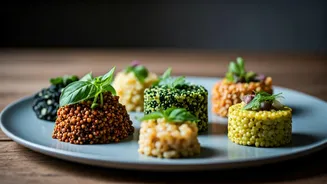
At the heart of this movement is a fervent commitment to localism. This goes far beyond a farmers' market slogan. It's about rediscovering and championing indigenous ingredients that have been overlooked for generations in favor of 'aspirational' Western or standardized produce. Chefs are foraging for wild greens in the Himalayas, sourcing unique varieties of millets from arid plains, and celebrating coastal seafood that was once only eaten in fishermen's homes. Restaurants are building entire menus around the 'terroir' of their specific location, whether it's the souring agents of Coorg, the fermented products of Sikkim, or the freshwater fish of Bengal. This hyperlocal focus does more than create exciting new dishes; it revitalizes local agricultural economies, preserves biodiversity, and re-establishes a direct connection between the land and the plate.
A Plateful of Pride
Ultimately, this culinary shift is a powerful expression of cultural pride. Fueled by a connected urban middle class, social media, and a generation less encumbered by colonial-era insecurities, Indians are embracing their own heritage with newfound confidence. Food bloggers on Instagram document their grandmother’s recipes with the reverence once reserved for French sauce techniques. Pop-up dinners featuring the obscure cuisines of small communities sell out in major cities. Chefs are becoming culinary archivists, traveling to remote villages to learn and document dying traditions before they disappear. There's a growing sentiment that the intricate, sophisticated, and incredibly diverse food of India doesn't need outside validation to be considered world-class. It’s a declaration that a simple, perfectly prepared meal from one's own region is a source of identity and joy—something to be celebrated, not assimilated.