




From Family Vaults to Digital Wallets
In the United States, we talk about stocks, 401(k)s, and maybe crypto as the cornerstones of personal investment. In India, for centuries, the ultimate store of value has been physical gold. It’s a cultural touchstone, a wedding gift staple, and a family’s
primary safety net. Historically, however, this wealth has been incredibly illiquid. It sits in lockers and safes as jewelry or coins, difficult to sell quickly and impossible to spend in small amounts. Enter the smartphone. A boom in financial technology is fundamentally changing this age-old relationship. A new breed of Indian apps is allowing hundreds of millions of people to buy, sell, and save 'digital gold'—claims on real, 24-karat gold stored securely in third-party vaults. The barrier to entry isn't a trip to the jeweler; it's a few taps on an app and as little as one rupee, or about a single U.S. cent.
How Digital Gold Actually Works
The concept is simple but powerful. When a user buys digital gold through an app like Jar, Gullak, or a platform like SafeGold, they are purchasing a corresponding weight of physical gold. This gold is insured and stored in secure vaults managed by custodians, often overseen by an independent trustee. It’s not a cryptocurrency or a complex derivative; it’s direct ownership of a physical commodity, just without the hassle of storage and security. Users receive a digital certificate of ownership, and they can see their holdings fluctuate with the market price of gold in real time. They can choose to sell their holdings back to the platform at any moment, with the cash credited to their bank account almost instantly. Or, if they accumulate enough (typically one gram or more), they can have the physical gold delivered to their doorstep in the form of a coin or bar.
The Rise of Automated Micro-Savings
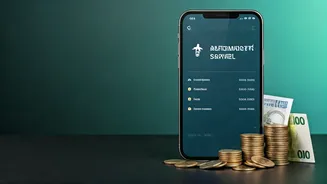
The real genius of these apps lies in how they integrate with daily life. The most popular feature is the 'round-up.' Apps like Jar link to a user’s digital payment account. Every time the user makes a purchase—say, for groceries or a cup of tea—the app rounds up the transaction to the nearest 10 rupees and automatically invests the spare change into digital gold. A coffee costing 83 rupees becomes a 90-rupee transaction, with 7 rupees instantly swept into the user's gold savings. This automates the discipline of saving for a population that is often paid daily or irregularly, making financial planning difficult. It gamifies the process, with users getting the satisfaction of seeing their gold balance tick up with every small purchase. For young Indians and those outside the formal banking system, this is often their very first exposure to investing of any kind, turning loose change that would otherwise be spent into a tangible, appreciating asset.
More Than Just an Investment
The vision for digital gold extends far beyond simple savings. These platforms are rapidly evolving into neobanks with gold at their core. Seeing it simply as a way to buy gold misses the point; the goal is to make gold a productive, liquid financial tool. Some apps are already allowing users to lease their gold holdings to jewelers to earn interest, a practice that mirrors institutional gold lending. Others are facilitating small-scale loans using digital gold as collateral. This is a game-changer. A small business owner who needs a quick loan can now collateralize their gold savings instantly through an app, bypassing the cumbersome and often inaccessible traditional banking process. This transforms a passive asset into an active one, unlocking capital for millions who were previously shut out of the credit system. The ultimate goal is to enable direct payments using gold, essentially turning a user’s gold balance into a de facto checking account.