

The Beauty of the Imperfect
Mass-produced items are defined by their uniformity. Every piece is identical, flawless, and anonymous. While this consistency has its place, it can leave a space feeling sterile and impersonal. Handmade objects, by contrast, celebrate the beauty of imperfection.
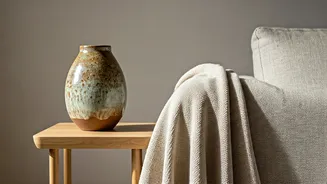
A ceramic mug might have a slight wobble, a hand-thrown bowl an uneven glaze, or a block-printed textile a charmingly misaligned pattern. These are not flaws; they are fingerprints of the creative process. This concept, echoed in the Japanese aesthetic of wabi-sabi, finds profound beauty in the 'imperfect, impermanent, and incomplete.' A home filled with objects that aren't afraid to show their quirks feels more relaxed, authentic, and forgiving—a space where people, in all their own beautiful imperfection, truly belong.
A Direct Line to a Story
Every handmade item carries a story. It’s the story of the artist who envisioned it, the materials they sourced, and the hours of skill they poured into its creation. A carved wooden spoon isn't just a utensil; it's a connection to a woodworker and the forest the wood came from. A hand-woven blanket isn't just for warmth; it's the culmination of a tradition passed down through generations. When you bring these items into your home, you become the next chapter in their story. Unlike a decor piece picked from a catalog of thousands, a handmade object has a past and a presence. It serves as a conversation starter, a reminder of a trip, or a tribute to an artist you admire. This infusion of narrative is what turns a collection of furniture into a deeply personal environment.
An Invitation to Touch
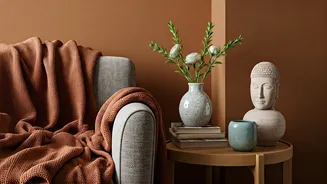
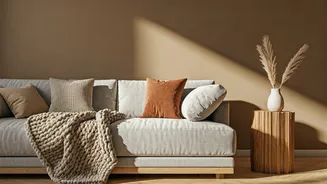
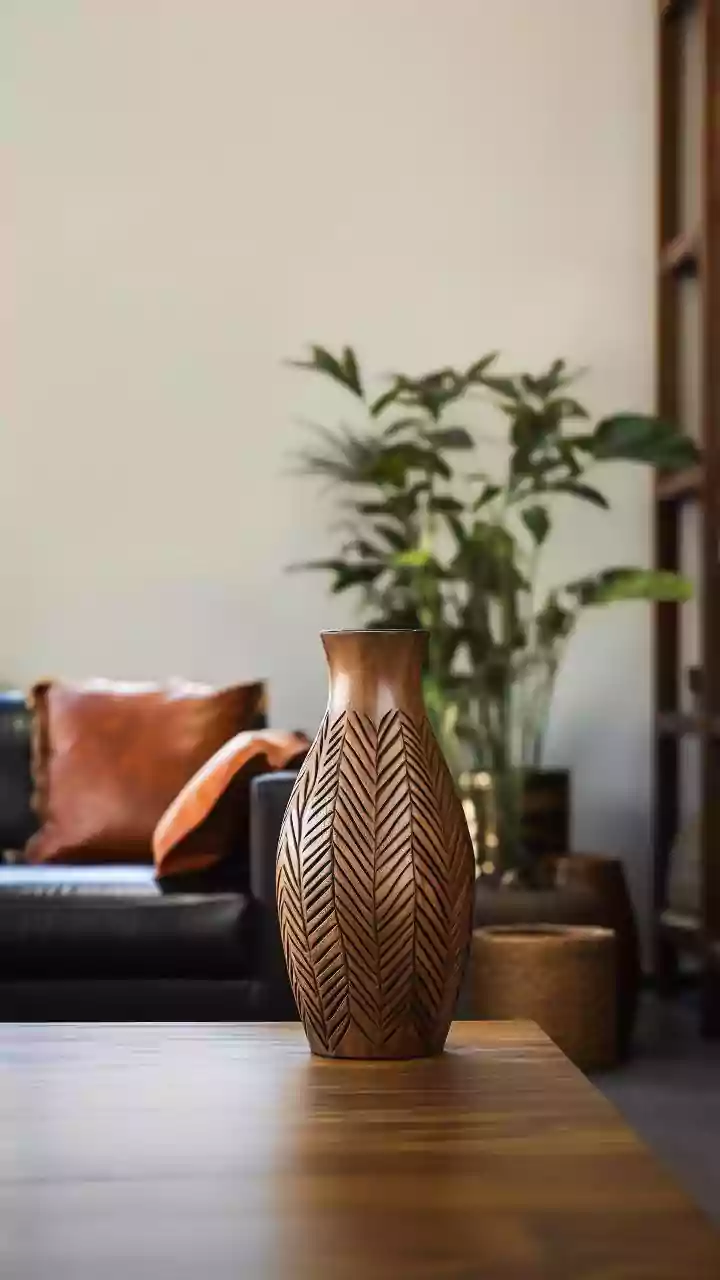
Modern design can sometimes feel like a 'look, don't touch' museum. Polished concrete floors, smooth quartz countertops, and minimalist metal fixtures are visually clean but can be sensorially cold. Handmade decor is an antidote to this flatness, reintroducing the crucial element of texture. Think of the nubby, uneven feel of hand-loomed wool, the cool, weighty smoothness of a ceramic sculpture, or the organic grain of a hand-sanded wooden bowl. These tactile qualities invite interaction. They make you want to run your hand over a surface or cozy up under a blanket. By engaging more than just the eyes, these objects make a home feel more grounded, comfortable, and human-scaled. They add a layer of physical richness that no flat-pack furniture can replicate.
Uniqueness as Self-Expression
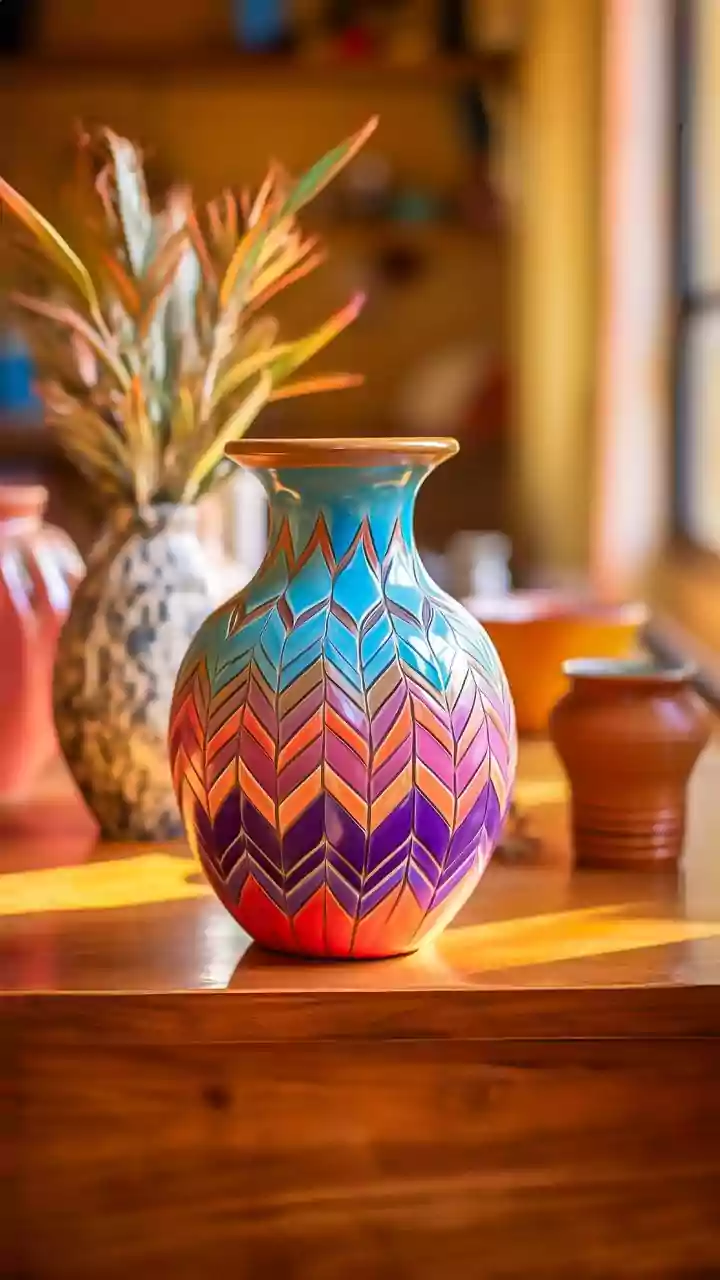
In an age of algorithm-driven trends and homogenous 'Instagram homes,' curating a space that is truly yours is a quiet act of rebellion. Choosing handmade decor is a powerful form of self-expression. Because these pieces are often one-of-a-kind or made in small batches, they ensure your home won't look like anyone else's. Your choices reflect your specific tastes, values, and passions. Are you drawn to earthy, rustic pottery or vibrant, abstract glasswork? Do you support local artisans or collect pieces from your travels? Each handmade object becomes a brushstroke in the overall portrait of who you are. This turns decorating from a task of mere acquisition into a journey of discovery, creating a space that feels less like a showroom and more like a sanctuary tailored to your spirit.