






1. Upgrade and Inspect Your Wipers
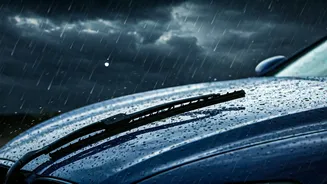
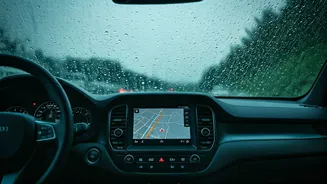
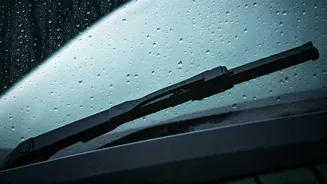
Your first line of defense in a sudden downpour is a clear view of the road. Wiper blades are made of rubber, which degrades quickly under the intense sun common in monsoon regions. If your wipers are chattering, streaking, or leaving smears, they won't
be able to handle the sheeting rain of a monsoon storm. Before the season starts, give them a test run with your windshield washer fluid. Look for any imperfections in the wipe pattern. If they aren't clearing the glass perfectly, replace them. It’s an inexpensive fix that has a huge payoff. Consider buying beam-style or hybrid wipers, which apply more uniform pressure and are less likely to lift off the windshield in strong winds that often accompany these storms.
2. Check Your Tire Tread and Pressure
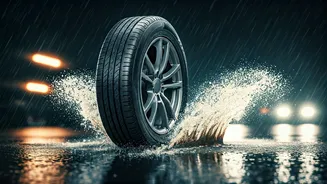
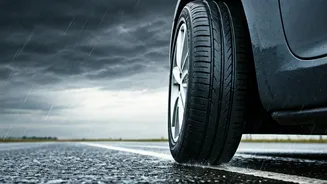
Your tires are the only thing connecting your car to the pavement, and when that pavement is covered in water, their job gets much harder. The deep grooves in your tires are designed to channel water away, preventing a dangerous situation called hydroplaning, where the tire essentially floats on a thin layer of water, causing a complete loss of steering and braking control. To check your tread depth, use the penny test: insert a penny into the tread with Lincoln's head upside down. If you can see the top of his head, your tires are too worn and need to be replaced. Also, check your tire pressure. Both under-inflated and over-inflated tires can reduce traction. Your car's recommended pressure is listed on a sticker inside the driver’s side doorjamb.
3. Test Every Single Light
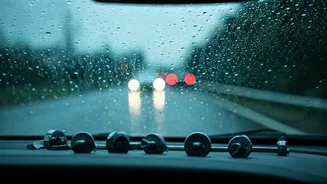
During a monsoon, visibility can drop to near zero in seconds, not just from rain but also from the dust storms (haboobs) that often precede them. It's critical that you can see and, just as importantly, that other drivers can see you. Take a moment to test all your exterior lights: headlights (both low and high beams), taillights, brake lights, and turn signals. Ask a friend to stand outside the car while you cycle through them. A dim or burnt-out bulb is an easy fix that could prevent a serious accident. Remember, in many states, it’s legally required to have your headlights on whenever your wipers are in use.
4. Listen to Your Brakes
Brakes are always important, but their reliability is paramount in wet conditions. Water on the rotors and pads can slightly increase your stopping distance, so your braking system needs to be in peak condition to compensate. You don't need to be a mechanic to perform a basic check. Just pay attention. Do your brakes feel spongy or soft when you press the pedal? Do you hear any grinding, squealing, or scraping sounds? Does the car pull to one side when you brake? If you notice any of these warning signs, have your brakes inspected by a professional immediately. Don’t wait for them to fail in an emergency.
5. Secure Your Battery and Check for Corrosion
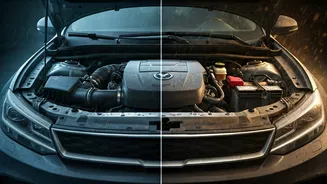
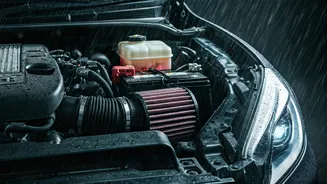
A dead battery can strand you anywhere, but it’s especially dangerous during a severe storm. High humidity and dramatic temperature swings during monsoon season can accelerate corrosion on battery terminals, which looks like a white or bluish fuzzy buildup. This corrosion can interfere with the electrical connection and prevent your car from starting. Pop the hood and take a look. If you see any buildup, you can clean it off with a wire brush and a mixture of baking soda and water. While you're there, ensure the battery is securely fastened and that the cable connections are tight. A loose battery can vibrate excessively, leading to internal damage and premature failure.
6. Inspect Seals and Look for Leaks
While not a direct safety issue, keeping water out of your car is crucial for preventing long-term damage like mold, mildew, and electrical problems. Take a quick walk around your car and inspect the rubber seals around your doors, windows, and sunroof. Look for any cracks, brittleness, or visible gaps. A simple way to test for leaks is to have a friend run a low-pressure garden hose over the car while you sit inside, checking for any drips around the dashboard, or headliner. A small leak now can become a major flood in your footwell during a torrential downpour.