


Beyond Glamping: Defining the Trend
Let’s get one thing straight: this isn’t just glamping 2.0. While glamorous camping certainly laid the groundwork, the boutique nature holiday is its more sophisticated, holistic older sibling. Think of it as the intersection of an eco-lodge, a design
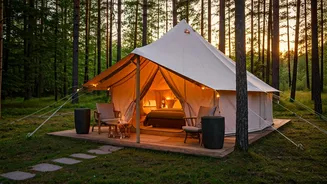
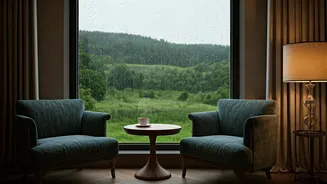
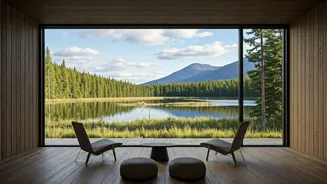
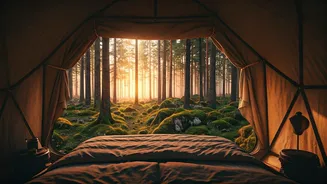
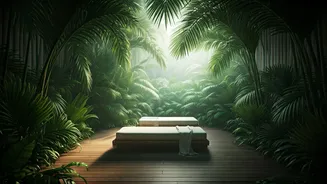
hotel, and a wellness retreat. The core idea is to immerse you in a stunning natural environment—a dense forest, a desert mesa, a secluded coastline—while ensuring every touchpoint is considered, comfortable, and aesthetically pleasing. Forget wrestling with tent poles or sleeping on an air mattress. Instead, picture an architect-designed cabin with floor-to-ceiling windows, a yurt with a wood-fired hot tub, or a glass-walled pod perfect for stargazing. The 'boutique' aspect signifies a smaller scale, impeccable attention to detail, and a unique personality that you won’t find in a chain resort. It’s nature, but curated.
The Appeal of Accessible Wilderness
So, why is this 'soft-wild' approach resonating so strongly right now? It’s the perfect antidote to the pressures of modern life. Many of us crave a genuine disconnection—a break from screens, deadlines, and the relentless hum of the city. We want the mental health benefits of being in nature: the calm, the perspective, the fresh air. But—and this is a big but—not everyone wants to be a survivalist. The barrier to entry for traditional camping can be high, requiring specialized gear, knowledge, and a willingness to embrace discomfort. Boutique nature holidays remove that friction. They make the wild accessible. You get the soul-stirring satisfaction of waking up to birdsong and the smell of pine without having to worry about building a fire in the rain or finding a clean bathroom. It’s about experiencing the restorative power of the outdoors on your own terms, with a plush bathrobe waiting for you.
What the Experience Actually Involves
A boutique nature holiday is defined by its experiences as much as its accommodations. This isn’t a self-serve rental where you’re just handed a key. The stay is often built around a thoughtful itinerary of low-impact, high-reward activities. This might include guided forest bathing (shinrin-yoku) walks, foraging workshops with a local expert, or private yoga sessions on a deck overlooking a valley. The food program is almost always a centerpiece. Forget freeze-dried meals; think farm-to-table dinners prepared by a private chef, baskets of local artisanal goods delivered to your door, or outdoor cooking classes using ingredients sourced from the property. The goal is to deepen your connection to the place. It’s less about conquering the landscape through strenuous hikes and more about observing and appreciating it through mindful, curated activities that feel both special and effortless.
Who Is This For?
Once seen as a niche luxury, this travel style has broadened its appeal dramatically. It’s for the burnt-out professional who needs to recharge but doesn’t have the energy to plan a rugged expedition. It’s for the couple looking for a romantic and private escape that’s more memorable than a standard hotel stay. It's for families who want to introduce their kids to the outdoors in a comfortable and safe environment. It’s even for the solo traveler seeking solitude and reflection without feeling completely isolated. The common thread isn’t a demographic but a mindset: a desire for authenticity and connection, paired with an appreciation for good design, comfort, and quiet luxury. It’s for anyone who believes that a vacation should leave you feeling more rested and inspired, not more tired.