

Defining the ‘Warm Minimalist’ Aesthetic
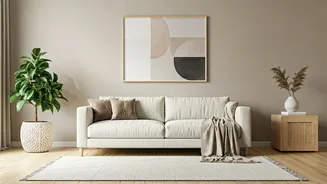
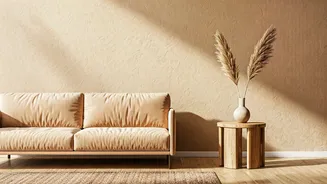
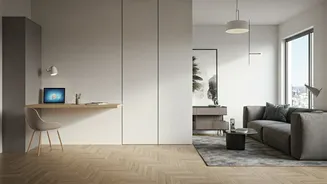
Forget the cold, sterile spaces often associated with minimalism in the West. The version taking root in India is deeply infused with warmth and soul. Known as 'warm minimalism' or sometimes 'earthy minimalism,' this aesthetic is less about deprivation
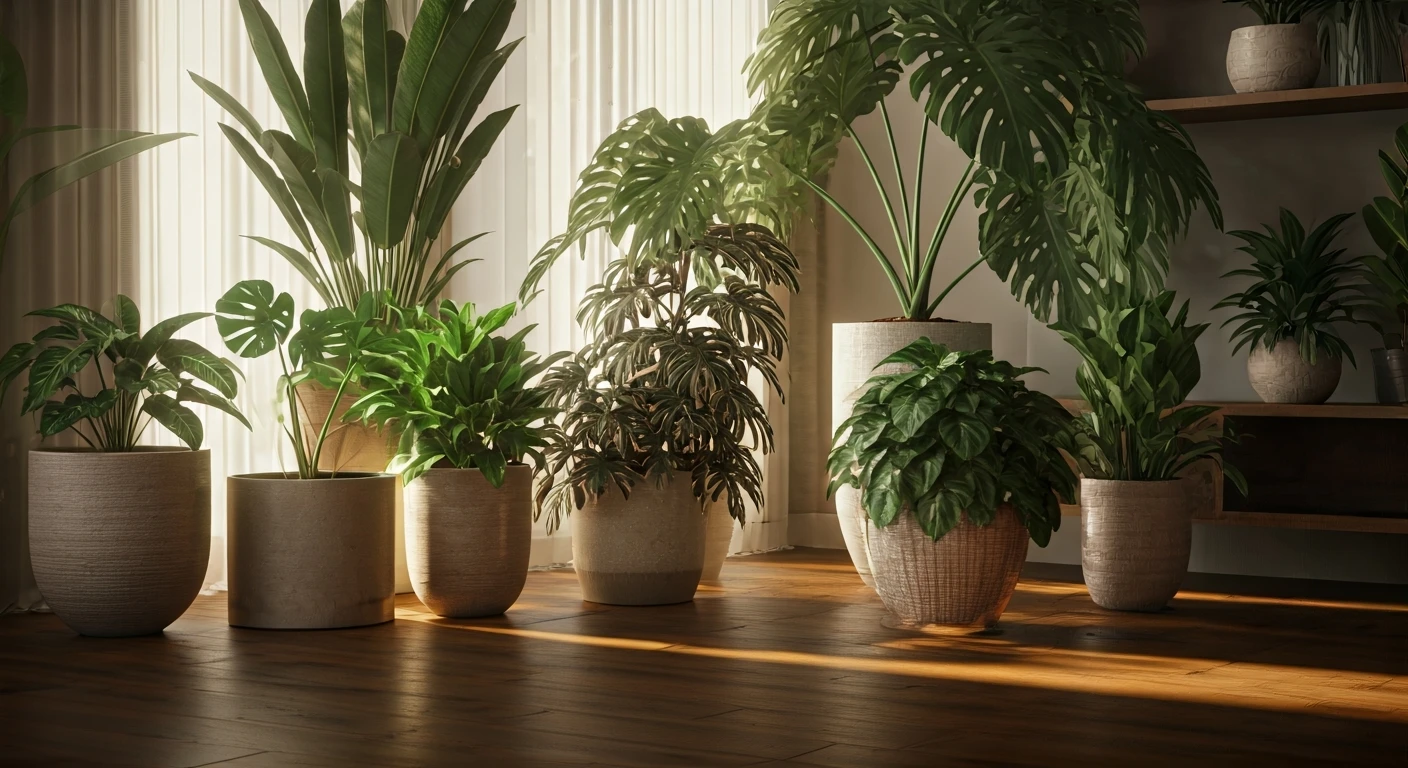
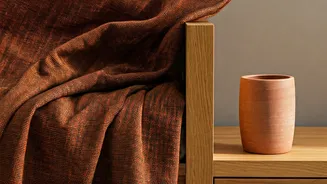
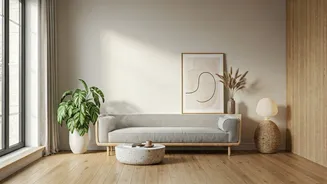
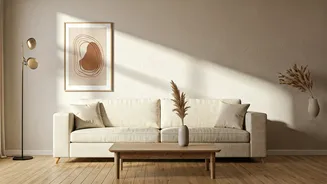
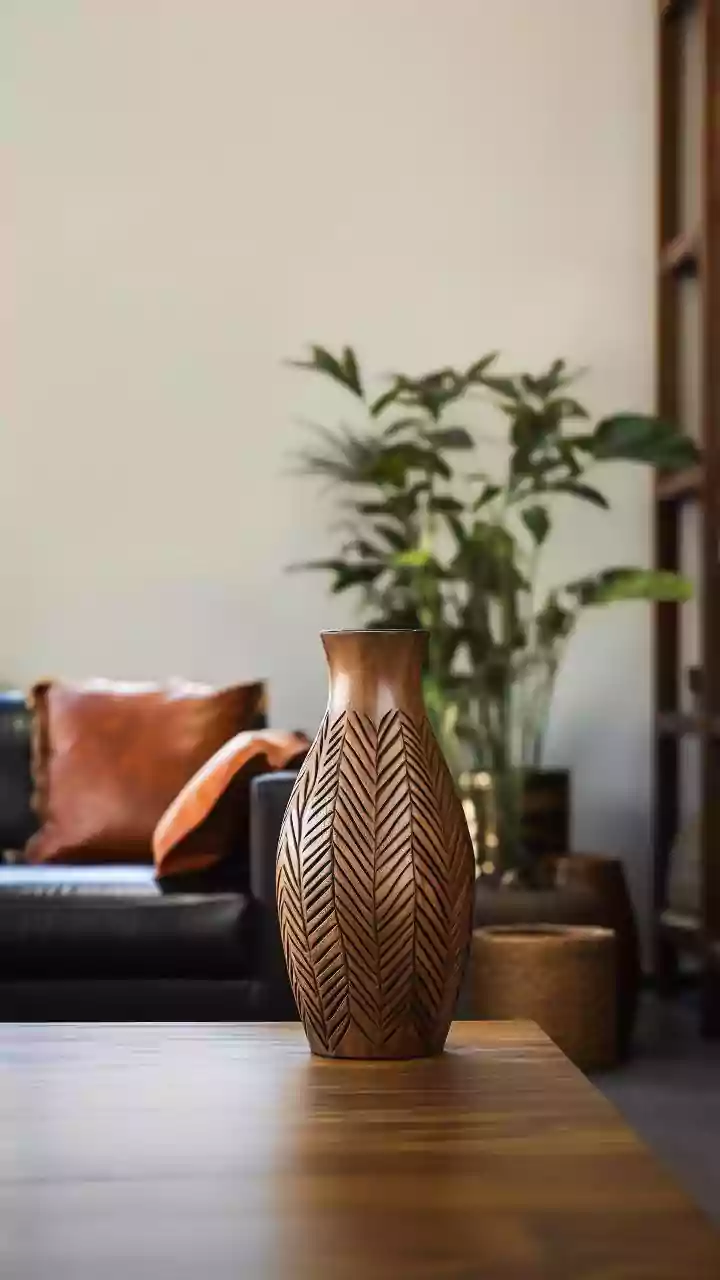
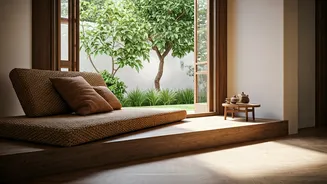
and more about intention. It champions clean lines and uncluttered surfaces, but fills them with texture, natural materials, and soft, ambient light. Think smooth, unpolished wood, handwoven rattan furniture, breathable linen textiles, and jute rugs. The color palette is drawn from nature: muted terracotta, sandy beige, soft whites, and olive greens. Unlike its starker cousin, this style isn't afraid of personality. It makes room for a few carefully chosen objects—a piece of handcrafted pottery, a vintage brass lamp, or a single, stunning piece of local art—that tell a story and bring a sense of history and humanity to the space.
A Sanctuary from Urban Overload
To understand the 'why' behind this trend, one must first understand the daily reality for millions in cities like Mumbai, Delhi, and Bangalore. Life here is a sensory onslaught—a constant barrage of traffic noise, dense crowds, and relentless energy. While this vibrancy is part of the cities' magic, it’s also mentally and physically draining. For the young professionals driving this trend, the home has become more than just a place to live; it's a sanctuary for decompression. Warm minimalism offers a direct antidote to the external chaos. By consciously creating a calm, ordered, and visually quiet environment, residents are building a psychological buffer against the stresses of modern urban life. The focus on natural, tactile materials provides a grounding connection to the earth, a stark contrast to the concrete and steel that dominate the city landscape.
A Global Mindset with Local Roots
The generation embracing this style is arguably the most globally connected in India’s history. Exposed to international design movements like Japanese wabi-sabi (finding beauty in imperfection) and Scandinavian hygge (a sense of coziness and contentment) through social media and travel, they are fluent in a global aesthetic language. However, this isn't a simple case of cultural copy-paste. What makes this trend distinctly Indian is how it weaves these global ideas together with a deep-seated appreciation for local heritage and craftsmanship. Instead of a generic Scandinavian chair, you might find a classic mid-century Chandigarh Chair designed by Pierre Jeanneret. Instead of a mass-produced ceramic, you’ll see artisanal terracotta pottery from a specific region. It's a sophisticated fusion that feels both worldly and deeply rooted, reflecting the identity of a generation that is proudly Indian and confidently global.
The Practicality of ‘Less Is More’
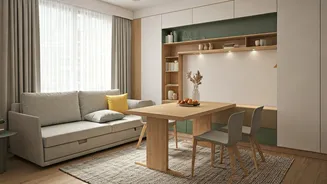
Beyond the philosophical and aesthetic appeal, there are powerful practical drivers. Real estate in India's top cities is notoriously expensive, and apartment sizes are shrinking. For many, living in a compact space is not a choice but a necessity. In this context, minimalism isn't just a style; it's a smart living strategy. A cluttered, over-furnished small apartment can feel claustrophobic. The minimalist principle of owning fewer, better things is a perfect solution. It encourages residents to prioritize quality over quantity, investing in multi-functional furniture and cherished items rather than filling their homes with disposable clutter. This philosophy aligns with a growing desire for more sustainable and conscious consumption, moving away from the fast-furniture model and toward pieces that are built to last and have personal meaning.