




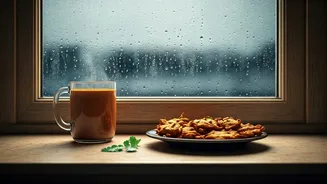


When the World Washes Clean
Most American travelers are conditioned to chase the sun. We book trips to guarantee blue skies and balmy weather, viewing a forecast of rain as a catastrophic failure. But in vast swaths of the world, particularly South and Southeast Asia, the arrival
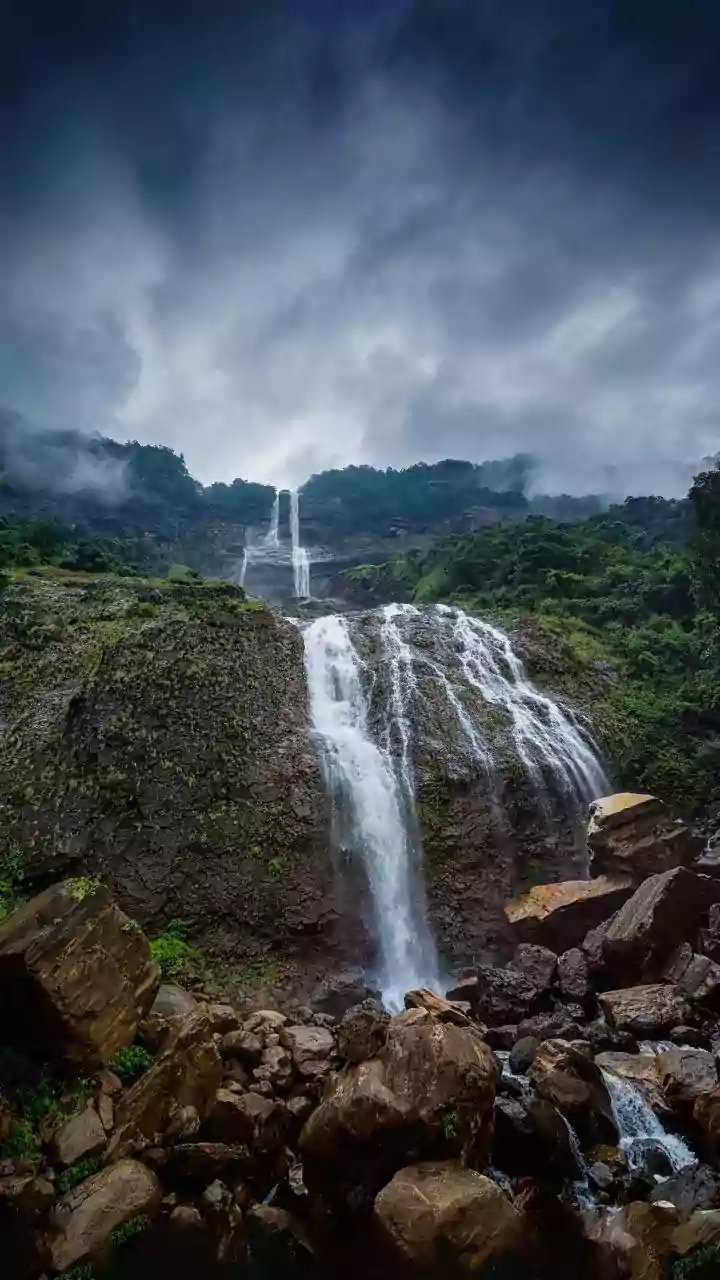
of the monsoon is not a spoiler—it’s the main event. It’s a collective exhalation after months of searing, oppressive heat. The landscape, bleached and weary, drinks in the moisture and explodes into a thousand shades of impossible green. The air, once thick with dust, is suddenly clean and cool. For a traveler, choosing to visit during this season is a deliberate act of turning away from the picture-perfect postcard and toward something more visceral, more alive. It’s a sensory recalibration. The world slows down, people gather indoors or under awnings, and the rhythm of life shifts from frantic to contemplative.
The Universal Joy of Rainy-Day Food
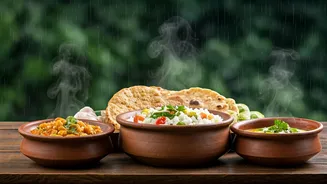
There’s a primal comfort in eating something hot and savory while rain streaks down a windowpane. It’s a feeling we know well in the States—a bowl of chili on a stormy autumn day, tomato soup with a grilled cheese sandwich. During a monsoon trip, this universal feeling becomes a gateway to local culture. In India, the unofficial uniform of the rainy season is a steaming cup of masala chai paired with an order of pakoras—vegetables or cheese dipped in chickpea batter and deep-fried to crispy perfection. The heat of the ginger and spices in the tea cuts through the damp chill, while the crunchy, salty pakora feels like a small, handheld rebellion against the gloom. You’ll find them everywhere: at humble street-side stalls where the sizzle of the fryer competes with the drumming of the rain, and in homes where families gather to watch the downpour. It’s not just a snack; it’s a shared ritual.
A Culinary Celebration of Renewal
Monsoon food isn’t just about comfort; it’s a celebration of life’s return. The rains replenish the earth, coaxing forth produce that was unavailable during the long, dry season. Markets suddenly fill with fresh corn, leafy greens, and exotic mushrooms that only grow in the damp soil. In Thailand, you might find a comforting bowl of *khao tom*, a savory rice porridge often flecked with fresh ginger and herbs that thrive in the wet weather. In many parts of India, the craving for fried food is joined by roasted corn on the cob (*bhutta*), slathered with lime juice and chili salt, sold by vendors huddled under giant umbrellas. These aren't complex gourmet dishes. They are simple, seasonal, and deeply connected to the agricultural cycle that has governed life for centuries. To eat them is to participate in an ancient story of scarcity and abundance, of waiting and reward.
More Than a Meal, It’s a Memory
Ultimately, what gives a monsoon trip its soul is the context surrounding the food. It’s about ducking into a tiny cafe and finding yourself sharing a table with locals, all united in your temporary refuge from the deluge. It’s the sound of laughter mixing with the clatter of steel cups. It’s the sight of a city’s reflection shimmering on a wet street, viewed from the dry comfort of a restaurant. These meals are not just fuel; they are experiences. You won't remember every temple or museum, but you will remember the exact taste of that hot samosa, the steam rising into the cool, rain-scented air. You’ll remember the feeling of being present, of finding warmth and connection in the middle of a storm. The food becomes an anchor, grounding your travel memory not in a place on a map, but in a moment of pure, sensory satisfaction.