



1. The Power of Verticality with Bamboo
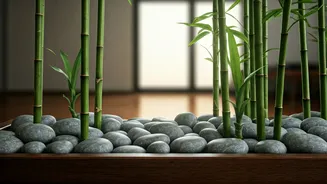
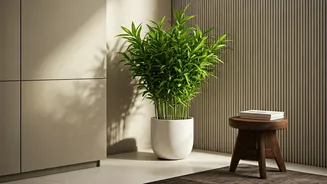
The core challenge in any small apartment is the limited floor space. This trend cleverly circumvents that by thinking vertically. Instead of bulky furniture, the focus is on slender, tall elements. Live bamboo plants, with their elegant, segmented stalks,
draw the eye upward, creating an illusion of height and space. Dried bamboo poles are also used to create simple, elegant screens. These screens can partition a corner without building a wall, defining the zen space while allowing light and air to pass through. This use of bamboo as a visual anchor is both structurally simple and profoundly calming.
2. Embracing Biophilic Design
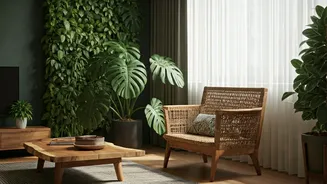
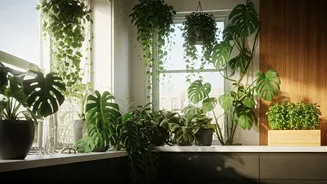
At its heart, this trend is a masterclass in biophilic design—the practice of connecting people with nature within a built environment. It’s more than just putting a plant in a corner. The bamboo is complemented by a curated selection of other hardy, low-maintenance houseplants like snake plants, ZZ plants, or pothos. These plants are chosen not just for their beauty, but for their air-purifying qualities and ability to thrive in the lower-light conditions often found in apartment corners. The result is a multi-layered pocket of greenery that feels like a miniature, personal ecosystem.
3. A Foundation of Natural Materials
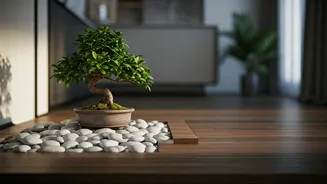
The zen aesthetic is built on authenticity and simplicity. Beyond bamboo, these corners layer other natural textures to create a rich sensory experience. Smooth river stones might be arranged in a tray, a small terracotta or ceramic planter holds the main plant, and a jute or woven grass mat defines the floor area. These materials are tactile and unpretentious, grounding the space in earthy elements. They stand in stark contrast to the plastic, metal, and glass that dominate so much of modern life, offering a quiet rebellion against the artificial.
4. The Importance of Light and Water
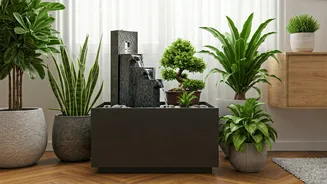
To truly elevate the corner from a decorative spot to a tranquil retreat, designers incorporate the elements of light and water. Even in a small apartment, the corner is often chosen for its proximity to a window, maximizing natural light. Where that’s not possible, a single, soft spotlight or a warm-toned floor lamp is used to create a gentle, focused glow after sunset. Some of the most immersive corners also feature a miniature tabletop water fountain. The gentle, trickling sound is a proven stress-reducer, masking city noise and fostering a meditative state. It transforms the corner from something you look at to something you experience.
5. A Dedicated Space for Disconnecting
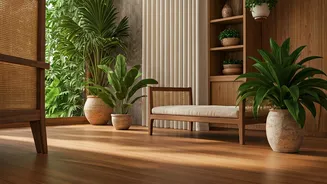
Perhaps the most crucial element is intention. This isn't just about aesthetics; it's about function. The zen corner is a designated tech-free zone. It’s made comfortable with a single floor cushion, a simple meditation stool, or just enough space for a yoga mat. It’s a physical invitation to disconnect from screens and reconnect with yourself. By creating a specific spot for quiet activities like reading, meditating, or simply sipping tea and staring into space, it helps build a ritual of mindfulness into daily life. It proves that you don't need a whole room—or even a lot of money—to build a sanctuary; a few square feet and a clear purpose are all it takes.