


The Heartbeat of the 'Queen of Hills'
For Americans accustomed to sprawling city parks, The Ridge in Shimla can be a little hard to picture. It’s not a mountain crest, but a wide-open pedestrian street at the center of Shimla, the capital of the northern Indian state of Himachal Pradesh.
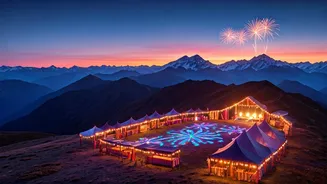
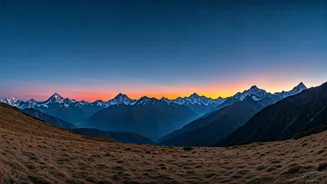
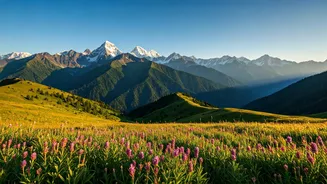
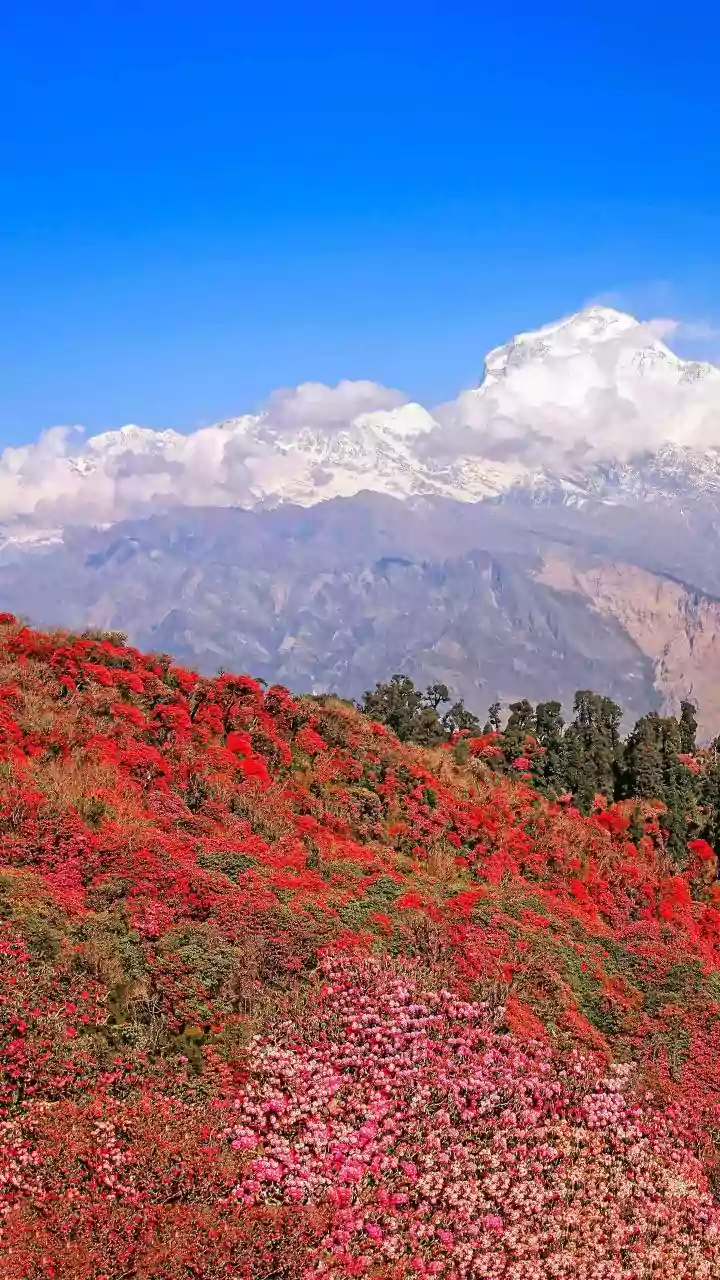
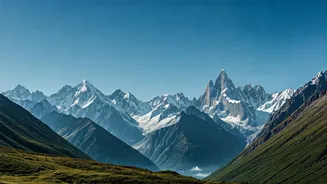
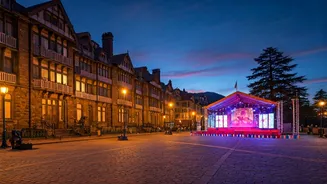
Flanked by the neo-Gothic Christ Church on one end and a library on the other, this space serves as the city’s social heart. It offers stunning, panoramic views of the snow-capped Himalayan ranges, a breathtaking backdrop that has earned Shimla the nickname “Queen of Hills.” During the British Raj, this was the exclusive stomping ground of colonial administrators escaping the scorching summer heat of the plains. Today, it’s a democratic space where tourists and locals alike gather, stroll, and soak in one of the most scenic urban settings in the world. But for one week every summer, this scenic promenade becomes something more: an open-air theater for an entire state's culture.
An Explosion of Sight and Sound
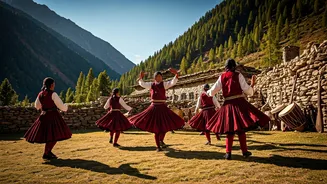
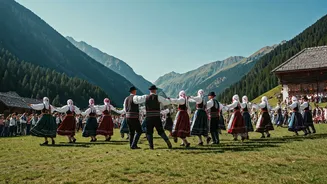
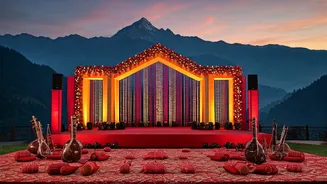
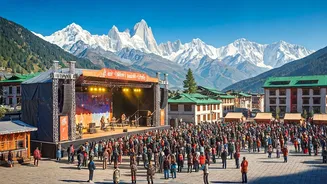
The event causing all the buzz is the Shimla Summer Festival, an annual tradition that turns The Ridge into a vibrant epicenter of Himachali culture. What does that look like? Imagine a main stage set against the mountains, hosting everything from traditional folk music and dance troupes to powerhouse Bollywood singers. The air fills with the sounds of the *dhol* (a double-headed drum) and the hypnotic melodies of local folk songs. Performers in intricately embroidered wool jackets and colorful caps showcase dances like the *Nati*, a slow, circular dance that is a hallmark of the region. But the festival isn't just a museum piece of preserved traditions. It’s a living, breathing celebration. Interspersed with folk acts are fashion shows featuring local designers, comedy nights that draw huge crowds, and the much-anticipated “Bollywood Night,” where a major star from India’s massive film industry performs, bridging the gap between local heritage and national pop culture.
A Taste of the Himalayas
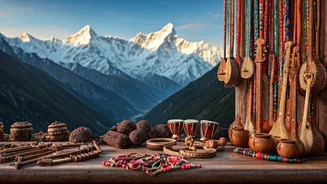
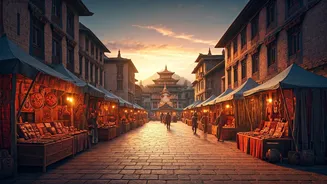
Beyond the stage, the festival sprawls across The Ridge and the adjoining Mall Road. Temporary stalls and food kiosks spring up, offering a culinary tour of Himachal Pradesh. This is where you can sample regional delicacies you won't find in a typical U.S. Indian restaurant. Think savory *siddu*, a steamed bread stuffed with walnuts or poppy seeds, or *dham*, a multi-course traditional feast served on leaf plates. Local artisans also set up shop, selling hand-woven shawls, wooden toys, and intricate silver jewelry. For the many local artists and entrepreneurs, the festival is a crucial economic engine, giving them a platform to reach thousands of visitors who flock to Shimla for the event. It’s a celebration that’s deeply intertwined with the livelihood of the community, making the festive atmosphere feel both authentic and essential.
A Window into Modern India
For a U.S. observer, the Shimla Summer Festival offers a fascinating glimpse into the dynamics of modern India. It’s a place where deep-rooted regional identity coexists comfortably with globalized entertainment. One moment, you’re watching a centuries-old folk performance that speaks to the agricultural rhythms of mountain life; the next, the crowd is roaring along to a pop song from a Mumbai blockbuster. This seamless blend is happening in a town whose architecture is a constant reminder of its colonial past. The festival on The Ridge isn’t just an event; it’s a living diorama of India’s past, present, and future, all playing out on a single, spectacular stage.