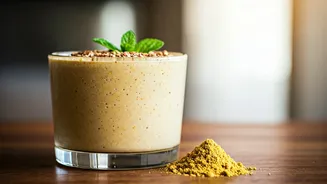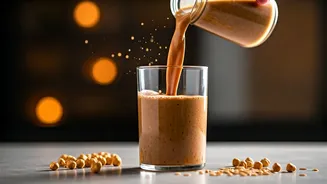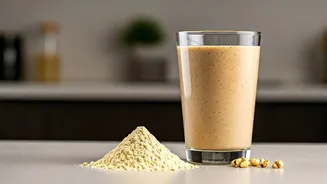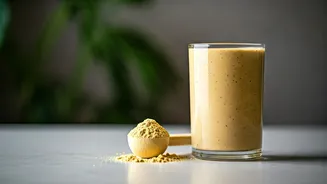







So, What Exactly Is Sattu?
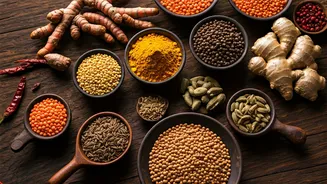
Before you can drink it, you need to know what it is. Sattu is, in essence, a flour made from roasted pulses and cereals, most commonly roasted Bengal gram (kala chana) or chickpeas. Think of it as a nutrient-dense, protein-packed powder that’s been a staple
in the Indian subcontinent for centuries, particularly in states like Bihar, Jharkhand, and Uttar Pradesh. Traditionally known as a “poor man’s protein,” it was valued for its long shelf life, affordability, and ability to provide sustained energy to laborers and farmers working long hours under the hot sun. It’s prepared by dry roasting the grains and then grinding them into a fine powder. This roasting process not only gives sattu its characteristic nutty, earthy flavor but also makes the nutrients more bioavailable and easier to digest.
The Nutritional Case for Sattu
The reason sattu is making the leap from rural Indian kitchens to American shaker bottles lies in its impressive nutritional profile. Unlike many commercial pre-workout supplements that rely on caffeine and artificial stimulants, sattu offers a whole-food approach to energy. It's rich in plant-based protein, which is essential for muscle repair and growth. It’s also packed with complex carbohydrates and insoluble fiber. This combination is key: the complex carbs provide a slow, steady release of energy, preventing the sugar spike and subsequent crash associated with many energy drinks. Meanwhile, the high fiber content aids digestion and promotes a feeling of fullness, curbing pre-gym hunger pangs without weighing you down. Add in a healthy dose of minerals like iron, manganese, and magnesium, and you have a complete, natural fuel source.
Why It’s a Smarter Pre-Workout
The magic of sattu isn’t just its macros; it’s how it works with your body. Most pre-workouts aim to give you a quick, intense jolt of energy. Sattu, on the other hand, is about sustained performance. The low glycemic index means it won’t mess with your blood sugar levels. This makes it an ideal choice for endurance activities like running or cycling, as well as for a steady strength training session. Furthermore, its natural cooling properties make it a popular summer drink in India, helping to keep the body hydrated and replenished. For those looking to clean up their supplement stack, sattu offers a simple, one-ingredient solution free from the proprietary blends, artificial sweeteners, and unpronounceable chemicals found in many popular powders. It’s energy, simplified.
How to Make Your Own Sattu Drink
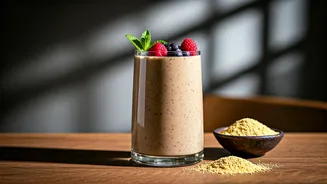
Making a sattu smoothie is incredibly simple. You don’t need a high-powered blender, though you can certainly use one. The traditional way is to just mix it in a glass. For a classic, savory sattu sharbat, mix 2-3 tablespoons of sattu powder into a glass of cold water. Stir vigorously to avoid lumps. Then, add a pinch of black salt (kala namak), a squeeze of fresh lemon or lime juice, and some roasted cumin powder. It's refreshingly tangy and savory. For a more modern, smoothie-style pre-workout, blend 2-3 tablespoons of sattu with a cup of your favorite plant-based milk, half a banana for sweetness and potassium, a spoonful of nut butter for healthy fats, and a date or a drizzle of maple syrup if you prefer it sweeter. The nutty flavor of the sattu pairs well with almost anything, making it a versatile base for your own creations.
Where to Find It
While you might not see sattu in the main aisle of your local supermarket just yet, it’s not hard to find. Your best bet is to visit a local Indian or South Asian grocery store, where it will be readily available and inexpensive. Look for packages labeled “Sattu,” “Roasted Gram Flour,” or “Roasted Chickpea Flour.” If you don’t have an international market nearby, major online retailers like Amazon carry multiple brands. When buying, check the ingredients to ensure it’s 100% roasted gram flour without any additives. A single bag is incredibly cost-effective and will last you through dozens of workouts.