





A Vertical Oasis in the Concrete Jungle
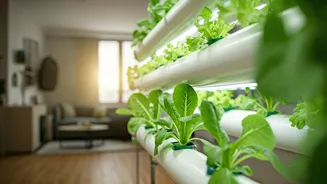
Imagine stepping from a chaotic Delhi street into an apartment where a wall is covered not with art, but with rows of leafy lettuce, basil, and kale. Their roots aren't in soil, but suspended in water flowing through a system of stacked pipes. This is the
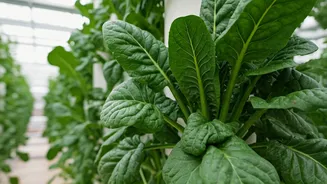
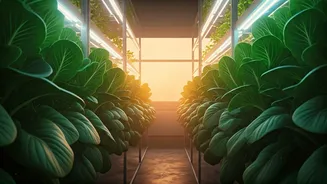
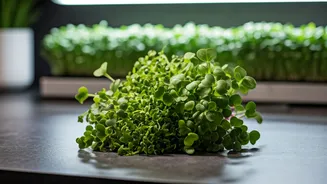
new reality for a growing number of the city’s residents. In a metropolis of over 20 million people, where private outdoor space is a luxury few can afford, the farm is moving indoors and upward. These high-tech gardens, often no larger than a bookshelf, are appearing in living rooms, spare bedrooms, and enclosed balconies. They are hydroponic systems—a method of soilless agriculture where plants are fed with mineral nutrient solutions in a water solvent. Alongside them, trays of microgreens—the young, nutrient-dense seedlings of vegetables like radishes, arugula, and cilantro—sprout under grow lights, ready for harvest in just over a week. For many Delhiites, it’s a visually stunning and deeply practical solution to a complex set of urban problems.
The Search for Purity and Freshness
The drive behind this trend isn't just about saving space; it’s about taking back control. New Delhi is notorious for its severe air and water pollution. For years, residents have worried about the food arriving in their markets. News reports on produce grown using contaminated river water or laden with excessive pesticides have fueled a deep-seated distrust in the conventional supply chain. By growing their own food, city dwellers can ensure its purity. The controlled environment of a hydroponic system eliminates the need for pesticides and herbicides. The water used is filtered, and the nutrients are precisely managed. For families with young children or health-conscious individuals, the ability to harvest crisp, clean greens just moments before eating provides a priceless sense of security. It's a direct response to an environment where the simple act of eating fresh produce has become fraught with anxiety.
From Hobby to Urban Agribusiness
What started as a hobby for many, particularly during the pandemic lockdowns, has quickly blossomed into a viable commercial enterprise. Savvy urban farmers, having perfected their small-scale setups, recognized a market of neighbors and local businesses hungry for their produce. They began selling subscription boxes of fresh salads, supplying gourmet microgreens to local cafes, and marketing their pesticide-free produce through social media. These “agri-preneurs” are transforming their apartments into micro-farms, generating income from just a few square feet. The economics are compelling: microgreens have a rapid growth cycle and command high prices, while hydroponic lettuce can be harvested year-round, insulated from Delhi's extreme seasons. This commercial aspect has accelerated the trend, providing a blueprint for sustainable urban living where food production becomes a decentralized, community-based activity.
A Glimpse of the Future City
While this movement won't replace large-scale agriculture overnight, it represents a significant shift in the relationship between a city and its food. The rise of hydroponics and microgreens in Delhi is more than a novel trend; it's a model of resilience and adaptation. It showcases how technology, when applied with local ingenuity, can address pressing urban challenges like food security, pollution, and economic opportunity. It’s a story that resonates far beyond India. As cities across the globe grapple with similar pressures of population density and strained supply chains, Delhi's apartment farmers offer a powerful vision. They demonstrate that the future of farming might not be in sprawling fields, but in the overlooked nooks and crannies of the very cities we call home.