




It’s Not a Snack, It’s a Season
In the United States, summer is marked by things like barbecues and baseball. In India, the arrival of summer is synonymous with the arrival of mangoes. The season, running roughly from March to July, is a period of intense anticipation and celebration.
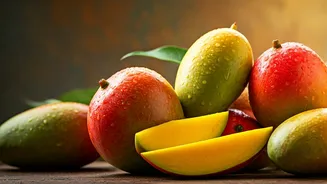
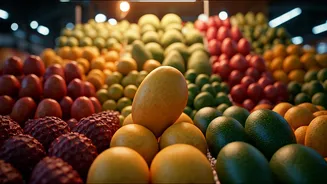
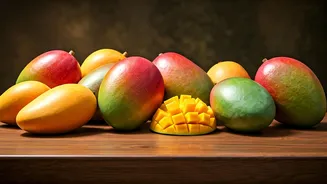
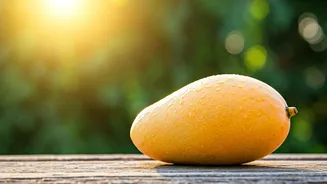
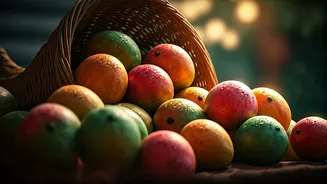
The blistering pre-monsoon heat is made bearable by the promise of this fruit. Newspapers announce the arrival of the first Alphonso mangoes like it's a royal visit. Markets transform, dominated by fragrant pyramids of yellow, green, and orange. For those few months, the mango isn't just *in* season; it *is* the season.
The King, The Queen, and Regional Pride
To say Indians love 'mangoes' is like saying Americans love 'cheese'—it misses the whole point. The obsession is deeply regional and specific. The undisputed 'King of Mangoes' is the Alphonso, or 'Hapoos,' from the western coast. Known for its creamy, non-fibrous texture and saffron-hued flesh, a box of Alphonsos is a premium gift, a sign of respect, and a subject of fierce debate. But other regions have their own champions. The Kesar from Gujarat is the 'Queen of Mangoes,' prized for its intense aroma and use in juices. The Langra from Uttar Pradesh is known for its slight tang, while the Dasheri is famous for its fiberless sweetness. This is a source of local pride, akin to Texans arguing their brisket is best or New Yorkers defending their pizza.
A Sweet Summer Ritual
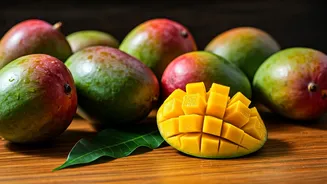
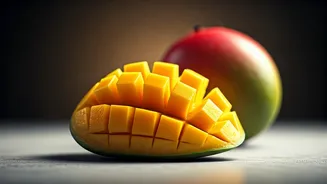
The mango's role goes far beyond simply being eaten. It's a vehicle for social connection. Families have time-honored rituals for cutting and serving the fruit. 'Mango parties' are a real, common event where friends and relatives gather specifically to gorge on different varieties. Gifting a box of high-quality mangoes to a boss, a valued client, or a future in-law is a classic gesture of goodwill. Children's summer memories are often stained with mango juice, spent learning the 'right' way to eat one—either meticulously cubed or messily squeezed straight into the mouth. It’s an experience shared across generations.
From Mythology to Modern Commerce
This obsession isn't a modern marketing invention. The mango, native to the subcontinent, has been an integral part of Indian culture for over 4,000 years. It's mentioned in ancient Hindu scriptures and Buddhist texts; the Buddha himself was said to have been gifted a mango grove. Mughal emperors, known for their lavish tastes, were obsessed with cultivating the best varieties, with some planting orchards of over 100,000 trees. This deep historical and religious significance gives the fruit a cultural weight that a pineapple or a banana simply doesn't have. It's woven into the very fabric of the country's story.
An Economic Powerhouse
Beyond the cultural significance is a massive, albeit seasonal, economy. India is the world's largest producer of mangoes, and the annual harvest is a crucial source of income for millions of farmers, distributors, and vendors. The excitement in cities fuels a complex supply chain that springs to life each year. The export market, particularly for prized varieties like the Alphonso, is also a point of national pride, with Indian expatriates willing to pay a premium for a taste of home. The annual dance of supply, demand, and pricing is a major economic story every single year.