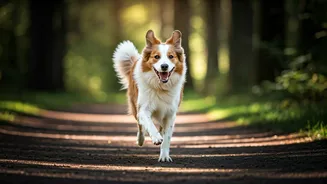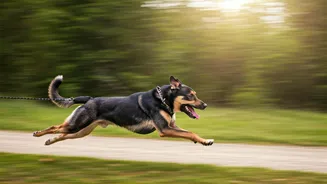






Your Built-In Accountability Partner
Let’s be honest: the hardest part of any workout is starting. It’s easy to hit snooze when the only person you’re letting down is yourself. But a dog changes the entire equation. They operate on a biological clock, not a motivational one. That hopeful
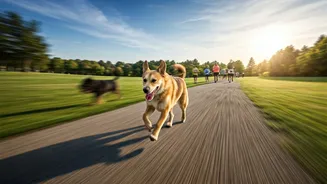
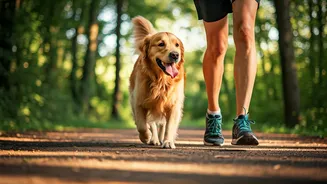
stare, the thumping tail, the little whine by the door—these aren’t just cute behaviors; they’re a non-negotiable call to action. Your dog needs to go out, and their boundless energy is the ultimate antidote to your morning grogginess. This turns the internal debate of “should I or shouldn’t I?” into a simple reality: the dog needs a run. This simple shift in perspective transforms exercise from a chore you have to force yourself to do into a shared activity you’re responsible for. Your dog doesn’t care if it’s drizzling or if you stayed up too late. They just want to run, and their enthusiasm is surprisingly contagious. They become your pacer, your cheerleader, and your reason for lacing up your sneakers on days you’d otherwise skip.
The Ultimate Social Icebreaker
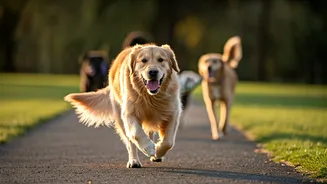
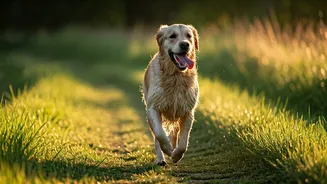
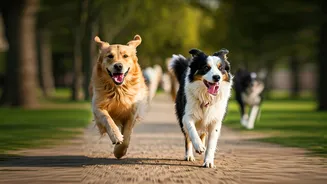
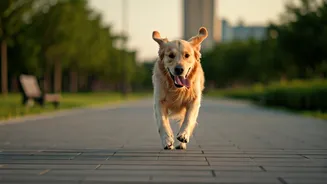
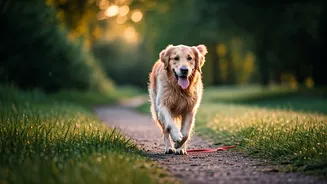
Running alone can feel like you’re in your own private bubble, sealed off by headphones and a focused stare. Add a dog, and that bubble instantly pops. A happy, panting golden retriever or a zippy terrier mix is a magnet for human interaction. Your dog is a living, breathing conversation starter that requires zero effort on your part. Other runners will smile. People walking on the same path will ask their name, breed, or age. Fellow dog owners will stop to let the pups greet each other. These aren’t deep, meaningful conversations, but they are moments of connection. They are small, positive social interactions that can brighten your mood and make your neighborhood feel more like a community. In a world where we often avoid eye contact, a dog gives everyone around you an easy, welcome reason to connect, turning a solitary mile into a series of friendly encounters.
Finding Your Pack (Human and Canine)
The social aspect of dog running goes far beyond spontaneous trailside chats. Across the country, organized dog-running groups are becoming a popular way for people to combine their love for fitness and their pets. Often called “canicross” clubs or simply dog run meetups, these groups provide structure, safety, and a built-in social circle. Finding a group is easier than you might think. Check with local specialty running stores, as they often sponsor or have information about such clubs. Search on social media platforms like Facebook for groups in your city—a simple search for “[Your City] Dog Runners” will often yield results. Apps like Meetup are also a goldmine for finding like-minded people who want to hit the trails with their four-legged friends. Running with a pack not only makes the miles go by faster, but it also creates a shared sense of purpose and camaraderie that’s hard to find in a gym.
A Few Tips Before You Start
Before you and your pup hit the pavement, a little preparation ensures the experience is fun and safe for everyone. First, not all dogs are built for distance running. Brachycephalic (flat-faced) breeds like pugs and bulldogs can struggle with breathing, while very large or very small breeds may also have limitations. It’s always best to consult your veterinarian to ensure your dog is a good candidate for a running regimen. Next, invest in the right gear. A hands-free leash that clips around your waist is a game-changer, freeing up your arms for a natural running motion and giving you better control. A collapsible water bowl is essential for keeping your partner hydrated. Start slow, especially if your dog is new to running. Begin with a walk/run interval approach and gradually increase the distance and pace as your dog builds stamina. Pay close attention to their cues—excessive panting, lagging behind, or limping are all signs it’s time to stop and rest.