


Cardamom: The New Vanilla
If you’ve only had cardamom in a cup of chai, you’re in for a treat. This fragrant, slightly sweet, and complex spice is having a major moment, stepping into the role often played by vanilla or cinnamon. It’s the secret weapon in a new generation of desserts,
adding an aromatic warmth that elevates simple milk and cream. You'll find it infused into scoops of small-batch ice cream, where its floral and citrusy notes cut through the richness. It’s being ground into sugar for crème brûlée toppings, creating a fragrant crust that cracks to reveal a perfectly smooth custard. Even the humble milkshake is getting an upgrade, with a pinch of cardamom turning a standard vanilla shake into something sophisticated and worldly. It’s versatile, familiar enough to be comforting, but exotic enough to feel like a discovery.
Saffron and Pistachio: The Royal Duo
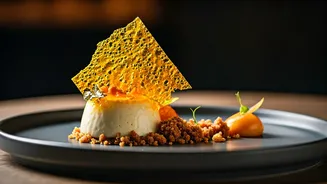
In India, the combination of saffron (kesar) and pistachio (pista) is royalty. Known as kesar pista, this pairing is a staple in festive sweets and the iconic frozen dessert, kulfi. Now, it’s taking over Western classics. Saffron, with its honeyed, earthy aroma and brilliant golden hue, infuses cheesecakes, panna cotta, and rice puddings with a luxurious depth. The delicate threads are bloomed in warm milk or cream, releasing their color and flavor to create desserts that look as good as they taste. Paired with the nutty, slightly sweet crunch of pistachios, the result is a perfect balance of texture and taste. Imagine a New York-style cheesecake with a golden saffron swirl and a generous topping of crushed bright green pistachios. It’s a familiar format made new, a testament to how beautifully these timeless flavors translate.
Rosewater’s Floral Renaissance
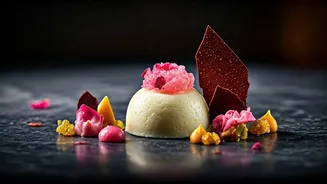
For years, rose flavor got a bad rap in the U.S., often dismissed as tasting “soapy” or like perfume. But thanks to its central role in many South Asian and Middle Eastern desserts, it’s finally being understood as the sophisticated, delicate floral note it is. The key is balance. A light touch of rosewater can transform a creamy dessert from one-note to multidimensional. It’s showing up in lassi-inspired yogurt popsicles, tres leches cakes where it perfumes the milk soak, and even in whipped cream toppings for fresh berries. One of the most popular applications is in milkshakes, often paired with pistachios or almonds to create a flavor profile reminiscent of falooda, a classic layered Indian dessert drink. This isn't your grandmother's potpourri; it's a subtle, elegant flavor that adds a refreshing, almost poetic finish to rich, milky treats.
Mango Lassi, Reimagined
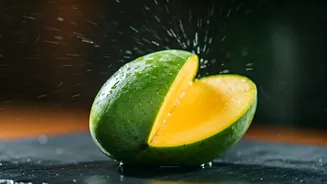
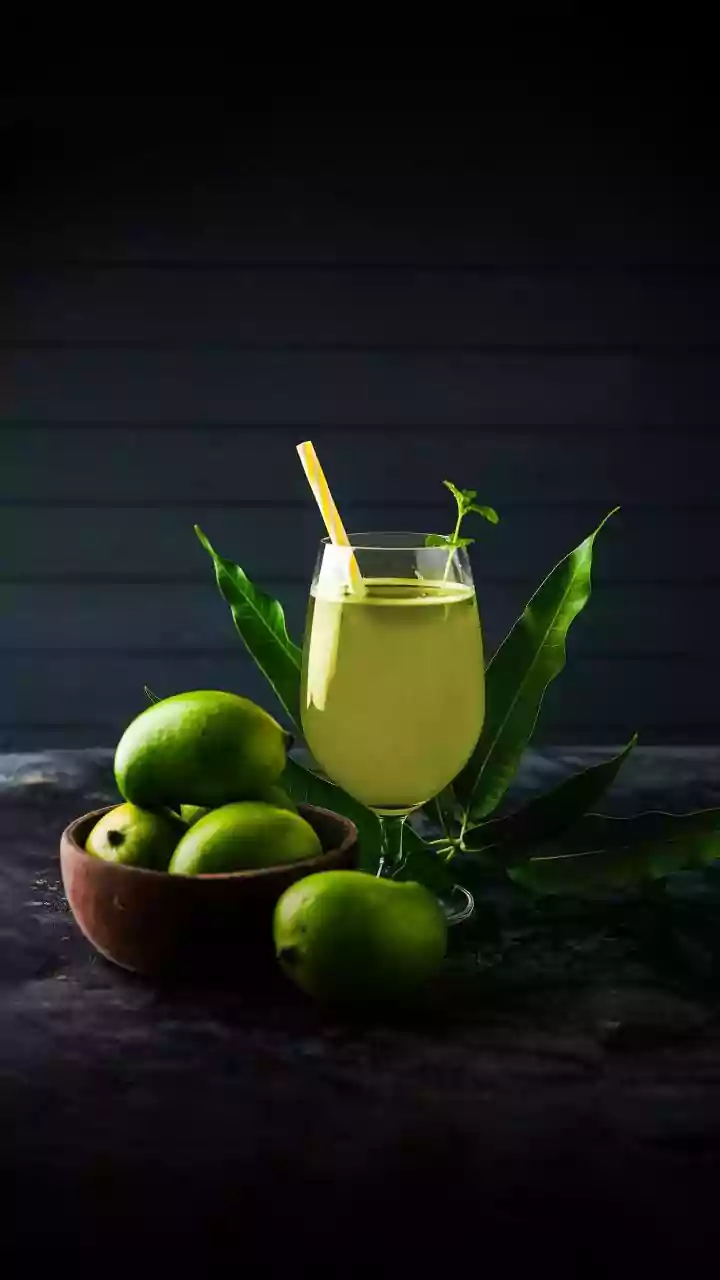
The mango lassi is, for many Americans, a beloved gateway to Indian cuisine. That sweet, tangy, yogurt-based drink is pure comfort. It was only a matter of time before its iconic flavor profile broke free from the glass. Chefs and bakers are deconstructing the lassi and using its core components—mango, yogurt, and a touch of sweetness—in new and exciting ways. We’re seeing mango lassi cheesecakes, where a mango purée swirl cuts through the rich cream cheese. Frozen yogurt shops are offering mango lassi-flavored swirls that are both tart and tropical. There are even mango lassi panna cottas, where the creamy base is set with just enough gelatin to wobble, topped with a fresh mango coulis. It’s the ultimate summer flavor, delivering tropical sunshine in every creamy bite.
A Modern Spin on Kulfi
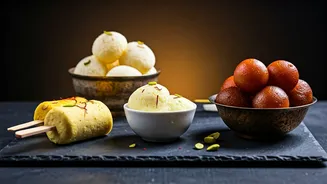
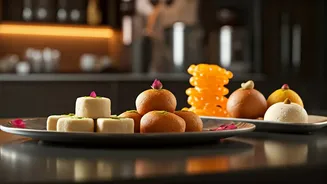
While many Indian flavors are being infused into Western desserts, the classic Indian ice cream—kulfi—is also getting a modern makeover. Traditionally, kulfi is made by slowly simmering milk until it reduces and caramelizes, resulting in a denser, creamier texture than churned ice cream. It's often flavored with cardamom, pistachio, or mango and frozen in molds. Today, artisanal makers are playing with this classic. You'll find kulfi bars dipped in chocolate and nuts, much like a Klondike bar, or new flavor combinations like coffee-walnut, coconut cream, or even avocado. They're respecting the dessert's signature dense, slow-melting texture while introducing it to a new generation of eaters who appreciate its rich, concentrated flavor and unique form. It's not just an import; it's an evolution.